
Review · BUKHARA
All You Need To Know About Bukhara. A Walk In The Town
Bukhara feels like a living museum on foot, not a checklist. This 4.5-hour guided walk is interesting because it maps the Old Town into a clear route, and then fills each stop with context you can actually use, from the Trading Domes nickname to the big-name monuments like Poi Kalan. I especially liked the Q&A style of the tour and how the guide makes architecture make sense, not just look pretty. The main consideration: it is not a one-family private tour, it’s a group walk (around 10-15 people), so you’ll get energy from the group but you may not have total control of the pace.
If you go with English and a curious mindset, you’ll leave with better bearings fast. I also love that the guide calls out places you can revisit later, plus gives practical restaurant and shopping suggestions, including where to shop for Uzbek textiles. On a packed day, the tight Old Town streets mean you should be ready for some walking and standing.
In This Review
- Key Points Worth Knowing Before You Go
- Bukhara on Foot, Built for Orientation in 4.5 Hours
- Price and Value: Is $55 Fair for This Sightseeing Mix?
- Meet the Guide, Then Get Your Bearings Fast
- UNESCO Old Town Core: What You Really Gain from This Route
- Lyabi Khauz: The Square Stop That Keeps the Whole Walk Human
- Toqi Sarrafon Bazaar: Trading Domes and the Silk Road Mindset
- Magok-i-Attari Mosque: Sacred Space, Explained in Plain Terms
- Ulugʻbek Madrasasi and the Learning-Architecture Connection
- Poi Kalan, the Kalon Minaret, and the Big Moment
- Mir-I-Arab Madrasa and Bolo Haouz Mosque: Religion Meets Daily Life
- Chashma-Ayub and Samanid Mausoleum: The City’s Story in Stones
- Finishing at Ismail Samani Mausoleum: A Strong Close to the Loop
- What About Shopping and Textiles, Really?
- Group Tour Style: Good for Value, Plan for Human Scale
- Practical Tips So You Enjoy the Walk More
- Should You Book This Bukhara Walk?
Key Points Worth Knowing Before You Go
- You’ll start at Nadir Divan Begi Madrasah near the donkey statue, so you have a simple meeting cue.
- English live guide with room for questions, which makes the history easier to remember.
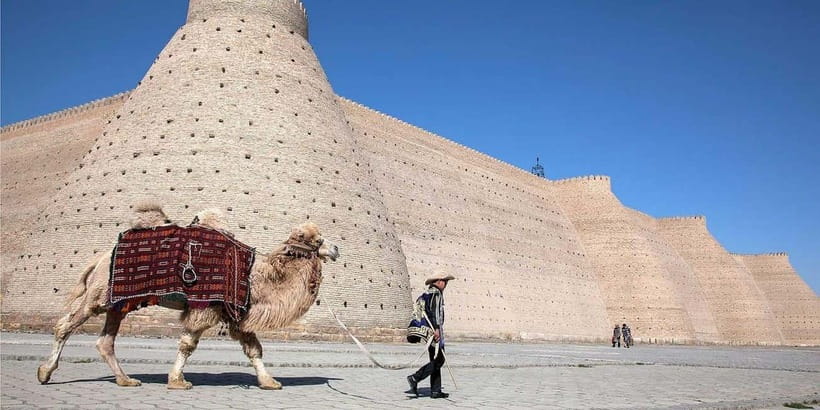
- UNESCO-listed historical center, with major sights like the Ark Fortress area and Poi Kalan ensemble in the loop.
- Bazaars and domes are part of the story, not just quick photo stops.
- Around 10-15 people, keeping costs down but still guided the whole way.
- Entrance tickets are extra, but the tour includes a skip-the-ticket-line approach where offered.
Bukhara on Foot, Built for Orientation in 4.5 Hours
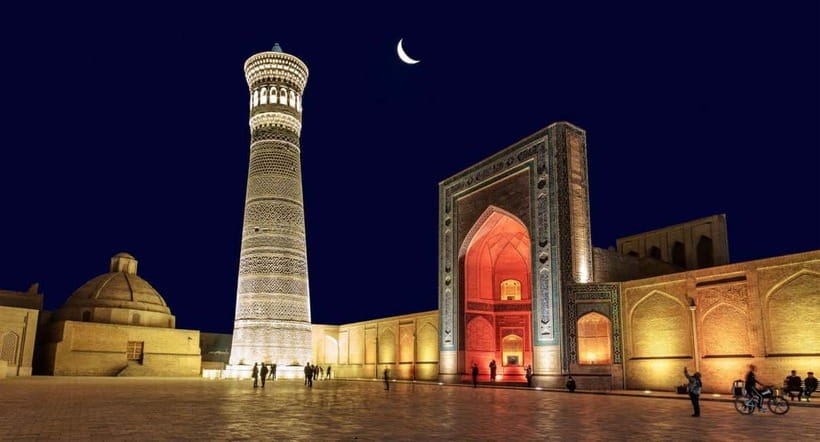
Bukhara is one of those places where getting your bearings matters. The streets can feel like a maze at first, and if you only wander on your own, you end up seeing beauty but not understanding what you’re looking at. This walk is designed to solve that. The route threads through the Old Town’s key religious buildings, trading streets, and monumental landmarks in a way that helps you connect the dots.
The duration, about 4.5 hours, hits a sweet spot. Long enough to feel like you learned something real, short enough to still have energy for dinner and extra browsing afterward. And because you’re walking, you notice details that don’t show up from the edge of a tour bus, like the craft focus around the textiles and the way the Old Town streets funnel you toward each next stop.
Price and Value: Is $55 Fair for This Sightseeing Mix?
At $55 per person, this tour sits in the “good value” category for Bukhara. The reason is the mix: you’re not just paying for movement, you’re paying for an English guide who ties monuments, domes, and sacred spaces together.
A quick reality check helps. Entrance tickets are not included, and lunch is not included either. Also, transportation with a driver is not part of the tour, so you’re doing it as a walking experience. But the trade-off is that you’re not spending extra money on logistics, and you are spending your time where it counts: inside the UNESCO core and the busy market areas.
You also get a couple of practical add-ons that matter more than they sound. Skip-the-ticket-line is included, and you get suggestions plus all day support and 24h/7 assistance. In a city like Bukhara, where you might want quick decisions about food or shopping, that support helps.
Deeper into the Bukhara old town
- Best of Bukhara: All Day Private Old Town Tour
★ 5.0 · 66 reviews - Best of Bukhara: All Day Private Old Town Tour
★ 4.9 · 62 reviews - City Tour Around Bukhara
★ 5.0 · 55 reviews - Bukhara Full Day Old City Private Tour
★ 5.0 · 46 reviews
Meet the Guide, Then Get Your Bearings Fast
Your tour starts near the donkey statue, by Nadir Divan Begi Madrasah. That’s a small detail, but it makes a big difference. Easy meeting points reduce stress, and in tight Old Town streets, less stress means you’re ready to enjoy the first 10 minutes.
A highlight of this experience is the guide style. The tour is designed for questions, not just one-way lecturing. I like that because history sticks better when you can ask what feels confusing right there in the moment. In the reviews, the guide Hamza comes up again and again for explaining things clearly in fluent English, keeping the pacing friendly, and sharing restaurant and shopping recommendations.
And if you’re traveling in quieter periods, you can get even more attention. There’s at least one real case where the tour was essentially one-on-one, which shows the group size can shrink when demand is low. Even when it’s a normal group, the tone stays personal.
UNESCO Old Town Core: What You Really Gain from This Route
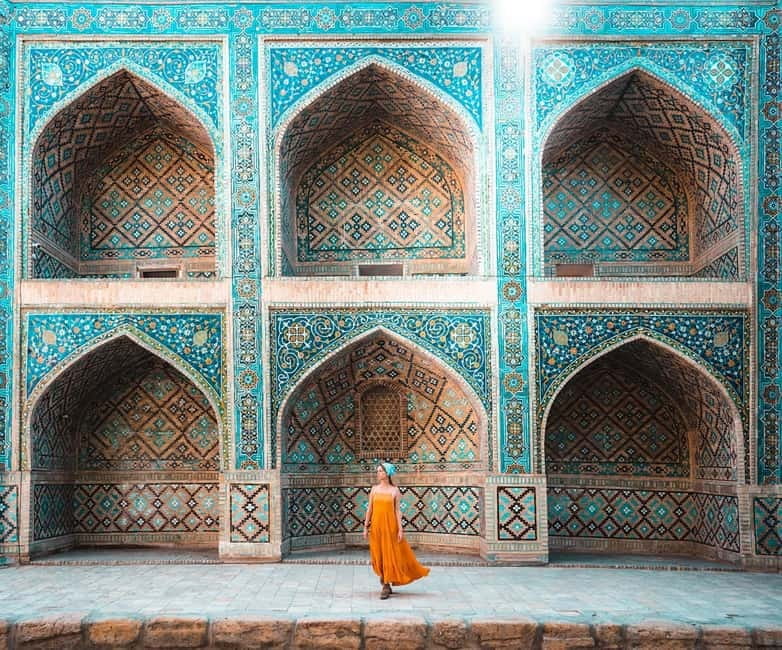
Bukhara’s historical center is on UNESCO’s World Heritage list. That matters, but not in the abstract. It matters because it explains why certain spaces feel so intentional: the alignment of religious architecture, the way madrasas relate to courtyards and learning halls, and the way the commercial areas are intertwined with daily life.
This tour doesn’t treat UNESCO as a label. It uses the UNESCO core as a map. You’ll move from one landmark to the next, and the guide connects each stop to the broader story of rulers, dynasties, and the Silk Road economy. The result is that you can look at a building and say, at least in plain terms, why it was built and why it mattered.
Lyabi Khauz: The Square Stop That Keeps the Whole Walk Human
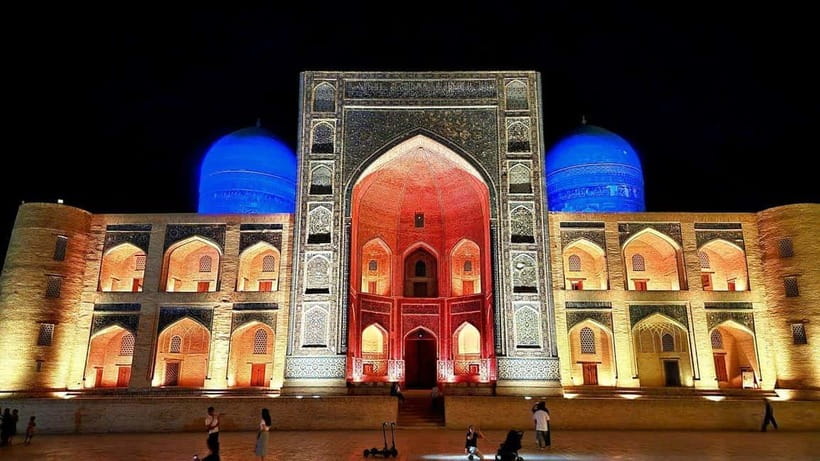
Lyabi Khauz is a short guided stop, but it works as a reset point. It’s the kind of place where you can see how the Old Town feels at human scale. Even if you’re focused on big monuments, it helps to pause in a square-like setting and let the city rhythm settle into your head.
This is also where the guide’s practical side shows up. The tour includes time and guidance for shopping later, and Lyabi Khauz is one of the spots that makes sense for that. You’ll likely notice how textiles, colors, and patterns become part of the visual language of Bukhara, not something saved only for the market.
Toqi Sarrafon Bazaar: Trading Domes and the Silk Road Mindset
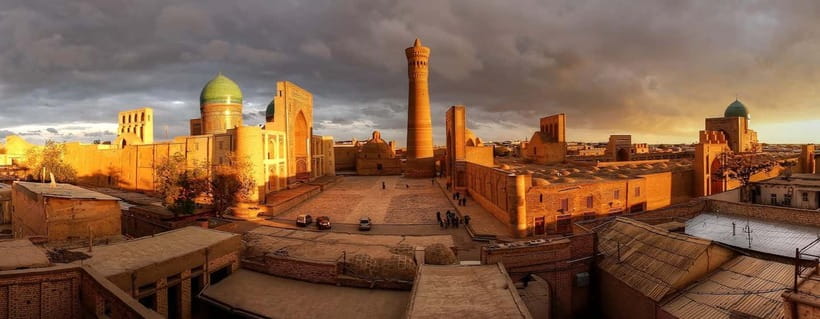
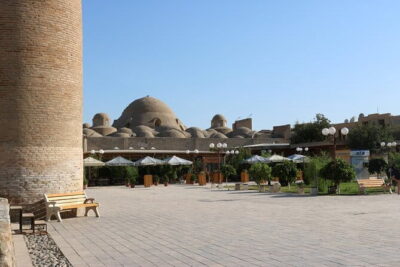
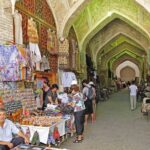
Then you head into the trading dome zone with Toqi Sarrafon Bazaar. This stop matters because it’s where Bukhara stops being only about religion and starts being about commerce, craft, and connections.
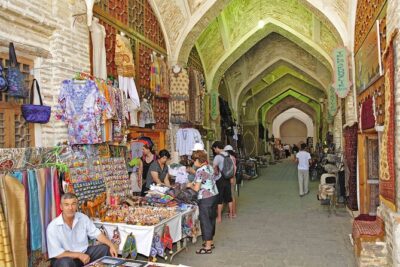
The guide highlights how the domes earned their famous nickname through the trading culture around them. That context is worth more than a quick look. When you understand that these were active commercial spaces, you can read the architecture as functional, not just decorative. It also makes your shopping experience better, because you know what you’re seeing and why the domes are part of the city’s identity.
If you like browsing, this is a good moment to slow down. The market areas can be overwhelming on your own. With a guide, you get an easy on-ramp, plus suggestions for what to look for.
Other Uzbekistan walks at an easy pace
Magok-i-Attari Mosque: Sacred Space, Explained in Plain Terms
Magok-i-Attari Mosque is one of those places that can feel mysterious if you don’t have context. This tour gives you the quick story you need so the architecture feels legible.
You’ll spend a short guided window here, which is realistic. This is still a walking tour with many stops, so you shouldn’t expect deep museum-level time at every building. What you do get is the essential background: what the building is, how sacred spaces typically function in the Old Town, and what details to notice.
Also, if you’re traveling with a camera, this is a good stop to use it deliberately. Don’t just shoot the main view. Look for how the space frames movement and sightlines. That’s where the Old Town feels most alive.
Ulugʻbek Madrasasi and the Learning-Architecture Connection
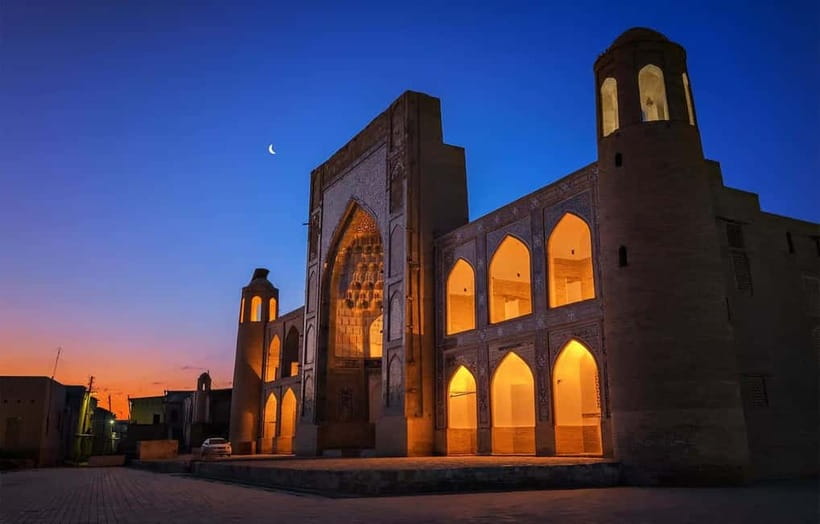
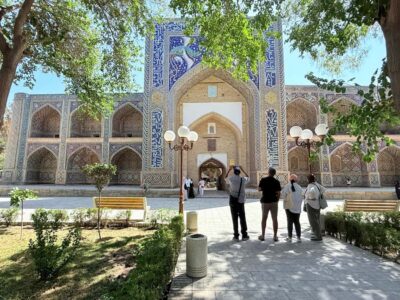
Next up is Ulugʻbek madrasasi. Madrasas in Central Asia are more than pretty exteriors. The guide helps you understand how these institutions connected learning, community, and daily life.
A useful detail from the tour experience is that the guide explains how madrasas typically have a lecture-hall function. That kind of practical architectural interpretation helps you stop thinking of every building as a photo spot. Instead, you start seeing the city as built for specific human activities, teaching, praying, and gathering.
If you enjoy architecture, you’ll feel rewarded here because the tour turns outward appearances into real meaning, without getting lost in academic jargon.
Poi Kalan, the Kalon Minaret, and the Big Moment
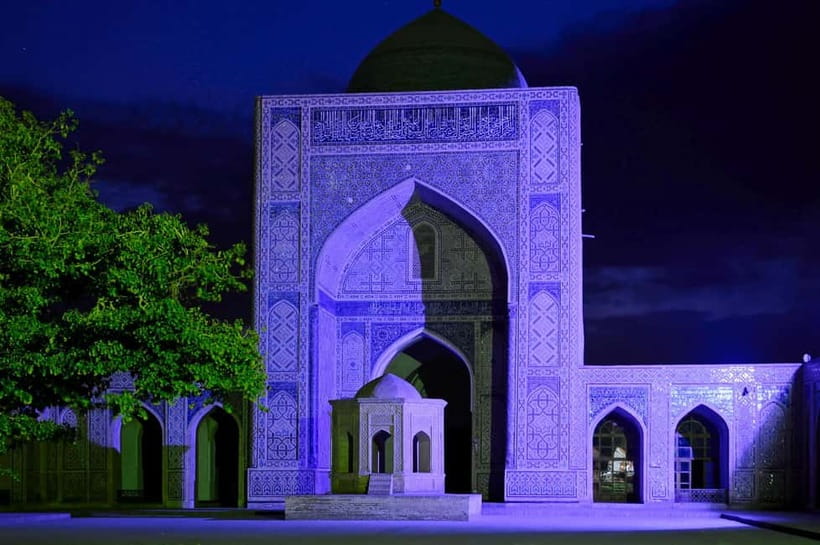
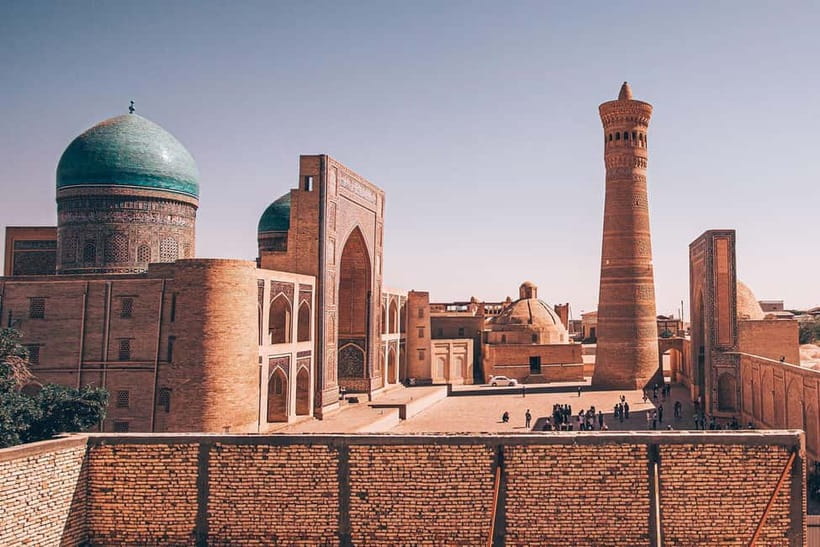
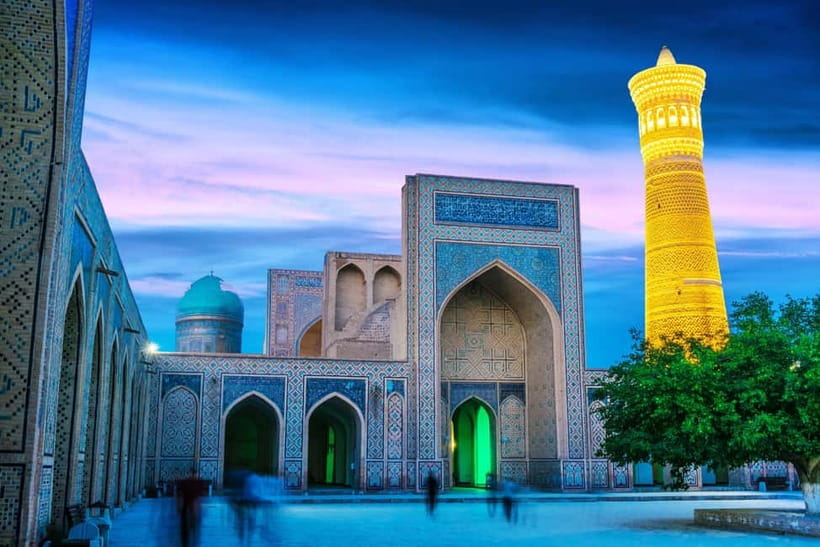
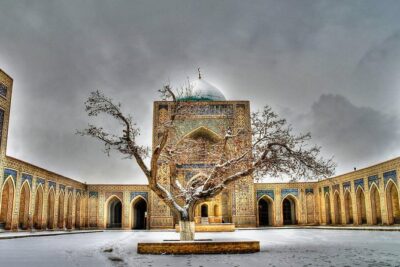
One of the most unforgettable parts of Bukhara’s Old Town is the Poi Kalan ensemble, with the Great Minaret of the Kalon and the Kalan Mosque area. Even when you don’t know the names, your eyes register the scale. This stop gives you the why behind that scale.
The guide’s role is key. Without context, you might admire the minaret and move on. With context, you understand it as a visual centerpiece in a wider religious and civic system. It becomes easier to see how the city’s design expresses authority and devotion at the same time.
Because this is a major “name” site, it can also be the moment where you feel the pressure of time. A short guided window is planned, so come in ready to absorb the essentials quickly, then return later on your own if you want lingering photos and extra studying.
Mir-I-Arab Madrasa and Bolo Haouz Mosque: Religion Meets Daily Life
Mir-I-Arab Madrasa and Bolo Haouz Mosque keep the tour grounded in the everyday function of religious architecture. These are not just monuments. They are part of how the city has long structured life around prayer, learning, and community space.
The experience is paced so you don’t feel rushed, but you also don’t get stuck at any one stop. That balance matters because Bukhara is best understood as an interlinked system. If you spend too long at one place, you lose the connections the guide is trying to show.
And if you’re a first-time visitor, this middle section is where you’ll feel your understanding click. It’s the part where the walk stops being only about seeing and starts being about reading the city.
Chashma-Ayub and Samanid Mausoleum: The City’s Story in Stones
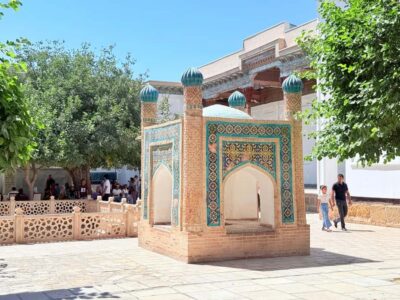
Chashma-Ayub Mausoleum is another important thread. In Old Town cities, mausoleums often act like narrative anchors. They connect you to beliefs, memory, and the long chain of people who shaped the city.
Then comes the Samanid Mausoleum, a strong classic stop. This area is especially good for learning because the guide gives you a sense of the dynastic timeline in Bukhara’s broader history, without turning the tour into a history exam.
One thing I like about this portion is the contrast. Earlier you’re seeing commercial domes and market streets. Here, the mood shifts toward reverence and permanence. That rhythm helps your brain organize what you’re learning, and it also makes the last stretch feel meaningful instead of like an exit.
Finishing at Ismail Samani Mausoleum: A Strong Close to the Loop
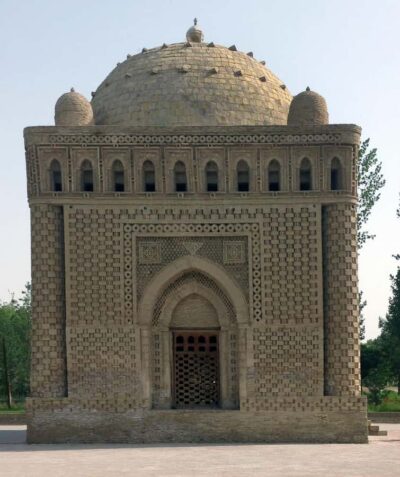
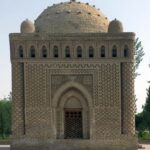
The tour finishes at Ismail Samani Mausoleum. Ending with a major mausoleum is smart because it gives you a final image that feels both historic and iconic. It’s also an easy place to pause and take stock, before you head out to shop, grab tea, or plan your next day of sightseeing.
If you only have a limited time window in Bukhara, this finish helps you leave with at least one lasting landmark and a mental map of how the city pieces fit together.
What About Shopping and Textiles, Really?
You’ll get time to shop, with guidance for local handicrafts at the trade domes and around Lyabi Hauz. The guide also points out that Uzbekistan is famous for hand-woven textiles, and you’ll see that craft presence as you move through the Old Town.
Here’s the practical way to use this tour if shopping matters to you. Don’t treat it like a separate trip. Treat it like part of the route. Ask the guide what’s worth looking for, and consider browsing with your eyes open for quality cues like consistent weaving and careful finishing. The dome setting is also useful because sellers understand you’re there to learn and compare, not just rush.
Group Tour Style: Good for Value, Plan for Human Scale
This is a group tour even though it’s described as a private group. Expect around 10-15 people. That’s a good compromise for $55, because it allows a guide with time on his side, plus fewer gaps than a large bus tour.
The trade-off is simple. You’ll share pace with the group. Some stops are brief, and the Old Town streets can be crowded. If you want a slow, quiet, totally flexible experience, you should consider contacting the provider for a private tour option, which is mentioned as available.
Practical Tips So You Enjoy the Walk More
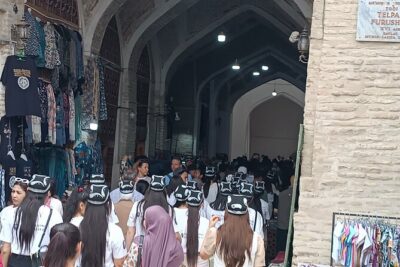
Bring a sun hat, water, and a charged smartphone. You’ll also want your camera, because the architecture and domes reward photos. If you’re sensitive to standing in crowds, plan for short breaks at natural pause points like the square area around Lyabi Khauz.
Also, if you can, do this early in your time in Bukhara. More than once, the tour’s value is described as giving an orientation. That means your next day is easier because you’ll recognize what you saw, and you’ll know what to revisit and what to skip.
Should You Book This Bukhara Walk?
Book it if you want a structured introduction to Bukhara’s UNESCO Old Town without getting trapped in big-group pacing. It’s especially worth it if you like history tied to real places, and if you want a guide who answers questions and makes architecture feel understandable, not just scenic.
Skip it if you want a truly private, custom pace with no group dynamics, or if you only want a museum-style deep dive at one site. In that case, you’d likely want a one-on-one plan with more time at fewer buildings.
If you’re the type who likes to get your bearings fast, ask questions, and then return later for slower exploring, this $55, 4.5-hour walking tour is a solid bet.
More Walking Routes In Uzbekistan
The Full Uzbekistan Review Pile
Keep Walking Bukhara
More of Uzbekistan we have reviewed
- Full-Day Private Guided Tour to Islamic 7 Saints of Bukhara★ 4.5 · 3 reviews
- Uzbekistan 8 Days Private Guided Tour★ 4.6 · 3 reviews
- A Complete Chapter To Old Bukhara★ 5.0 · 5 reviews
- 2 – Days Guided Tour of Samarkand and Bukhara from Tashkent★ 5.0 · 5 reviews
- Bukhara Walking Tour★ 5.0 · 4 reviews
- A Group Walking Tour Of Old Town★ 5.0 · 8 reviews
Bukhara Old Town & Heritage Tours, compared.
 ★ 5.0Best of Bukhara: All Day Private Old Town TourFrom $6566 reviews
★ 4.9Best of Bukhara: All Day Private Old Town TourFrom $6462 reviews
★ 5.0Best of Bukhara: All Day Private Old Town TourFrom $6566 reviews
★ 4.9Best of Bukhara: All Day Private Old Town TourFrom $6462 reviews
 ★ 5.0Bukhara Full Day Old City Private TourFrom $8546 reviews
 ★ 4.5Bukhara One Day Tour – Departure From TashkentFrom $24937 reviews
 ★ 5.0Private Guided Tours in Bukhara with Several OptionsFrom $5034 reviews
 ★ 5.0One-Day Private Tour in the Old Town of BukharaFrom $6724 reviews
 ★ 4.4Bukharian Bath in Ancient Hammam with MassageFrom $6719 reviews
 ★ 5.0Bukhara: Private Guided Walking Tour with Hotel PickupFrom $5011 reviews
Browse the lists this tour appears in