
Review · UZBEK COUNTRYSIDE
Bukhara: Combined City and Countryside Tour. Walking and Car
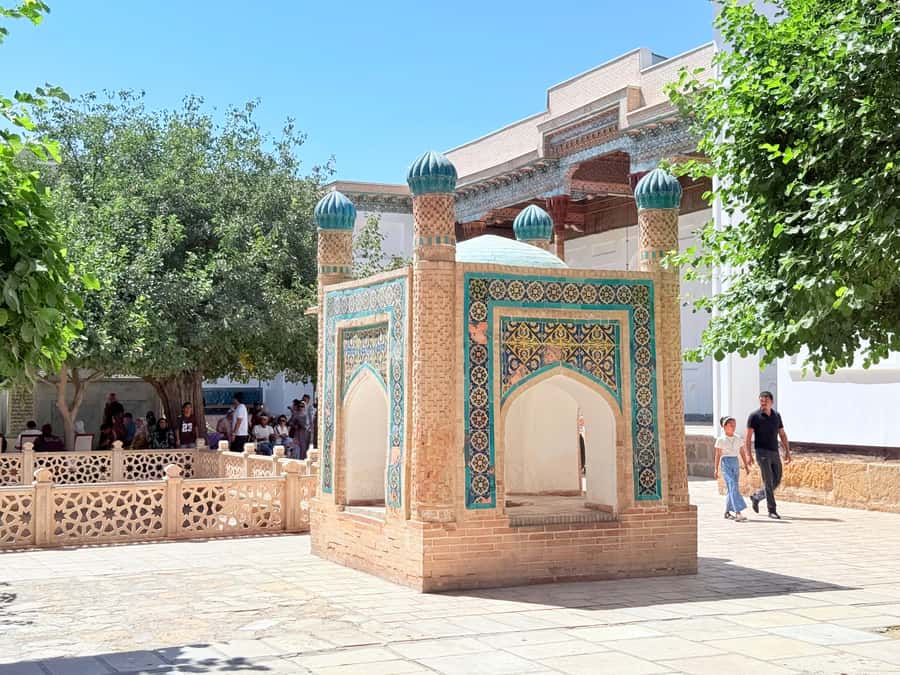
Bukhara feels like a time machine on foot. This Bukhara city-and-countryside tour strings together the places you see on postcards and the ones you only reach with a guide, with hotel pickup, car transfers, and time to wander the ancient streets at a sensible pace.
I like the way this trip connects sites into a story. You get patient, practical explanations from a local guide, and the route is built so you see Bukhara’s big landmarks and everyday corners in one day. The main thing to plan for is that entrance tickets are not included, and you will do a fair amount of walking, so bring water and budget a little extra.
In This Review
- Key Things I’d Watch for on This Tour
- Starting at Your Hotel, Then Switching Between Walking and Car
- Chor Minor and Sitorai Mokhi Khosa: Two Contrasts Right Away
- Samanid Mausoleum and Chashma-Ayub: Spotting Bukhara’s Timeline
- Bolo Havuz Mosque and the Ark of Bukhara: Power and Faith in One Day
- The Kalyan Minaret and Kalyan Mosque: Bukhara’s Most Recognizable Landmark Pair
- Madrasas and Trade Domes: Learning and Commerce Side by Side
- Magoki Attori Mosque and Lyabi-Havuz: Layers and Local Life
- Optional Lunch, Heat, and How to Stay Comfortable
- Entrance Tickets and Planning Your Budget Without Stress
- Should You Book This Bukhara City-and-Countryside Tour?
- FAQ
- How long is the Bukhara combined city and countryside tour?
- Does the tour include hotel pickup and drop-off?
- Is the tour mostly walking or mostly driving?
- What languages are available for the guide?
- Are entrance tickets included?
- Is lunch included in the tour?
- What are some of the main stops on the itinerary?
- Who provides the tour?
- Is a guide and transportation included?
- What is the flexibility of booking and cancellation?
Key Things I’d Watch for on This Tour
- Chor Minor’s four minarets and blue domes: a standout start that looks special from almost every angle.
- Sitorai Mokhi Khosa outside town: the summer palace of the last emirs, reached by car for an easy change of scenery.
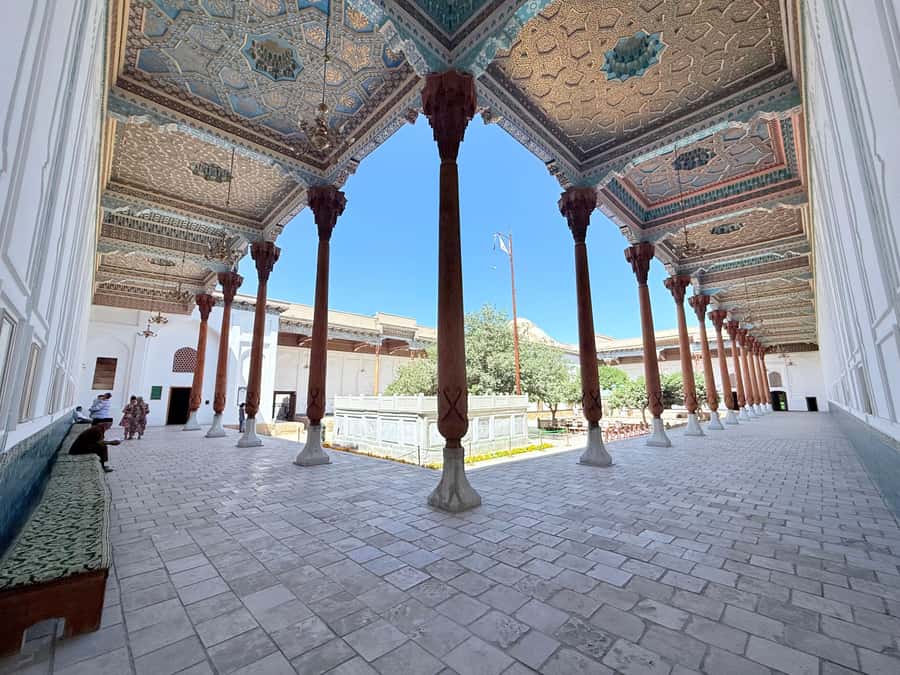
- Samanid Mausoleum: one of Bukhara’s oldest monuments, great for understanding the city’s early timeline.
- The Kalyan Mosque and Kalyan Minaret complex: the iconic duo that makes the old town feel instantly recognizable.
- Trade domes like Toqi Zargaron and Toqi Sarrafon: you see how commerce shaped daily life.
- Lyabi-Havuz with its pool and mulberry trees: an easy place to slow down before the rest of the route.
Starting at Your Hotel, Then Switching Between Walking and Car
This is a 6-7 hour day built for comfort and flow. You meet your guide and driver at your hotel reception, then you start with local context before you step into the dense old town maze. The big win here is the mix of walking and car transfers. Walking is perfect for the intimate parts of Bukhara, like looking up at domes and minarets. The car makes the longer jumps between clusters feel effortless, so you spend more time seeing and less time arranging transport.
Your guide’s job is not just to point at buildings. On this kind of route, you want someone who can explain what you are looking at, in simple terms, while still keeping the pace moving. The tour is designed around that, and it shows in the way guides can adjust when you ask questions, or when the heat makes you want extra pauses.
One practical tip: wear shoes you actually trust. Old town sidewalks can be uneven, and you’ll cover a lot of ground across multiple stops. If you tend to get tired fast, plan on taking a few extra seconds to regroup at entrances and courtyards, not mid-block. Your day will feel smoother.
Chor Minor and Sitorai Mokhi Khosa: Two Contrasts Right Away
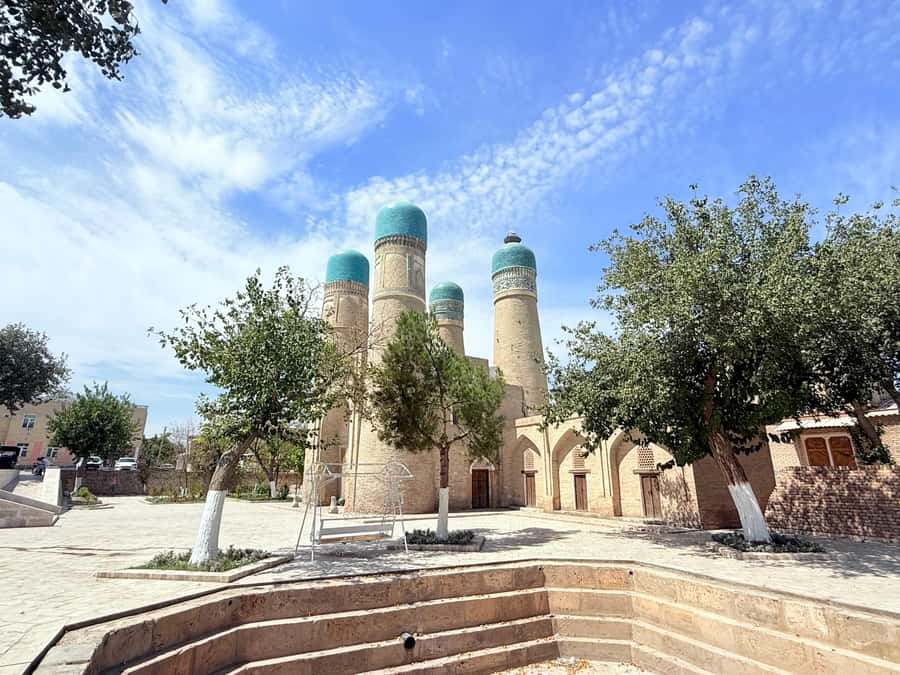
The itinerary starts with Chor Minor Madrasah, a building known for its four small minarets, each topped with a unique blue dome. Even if you only have a short window here, Chor Minor rewards attention. Look at how the domes frame the sky, then step around for different viewing angles. It’s the kind of stop where you immediately get why it’s considered “photogenic,” but still worth visiting even if you don’t care about photos.
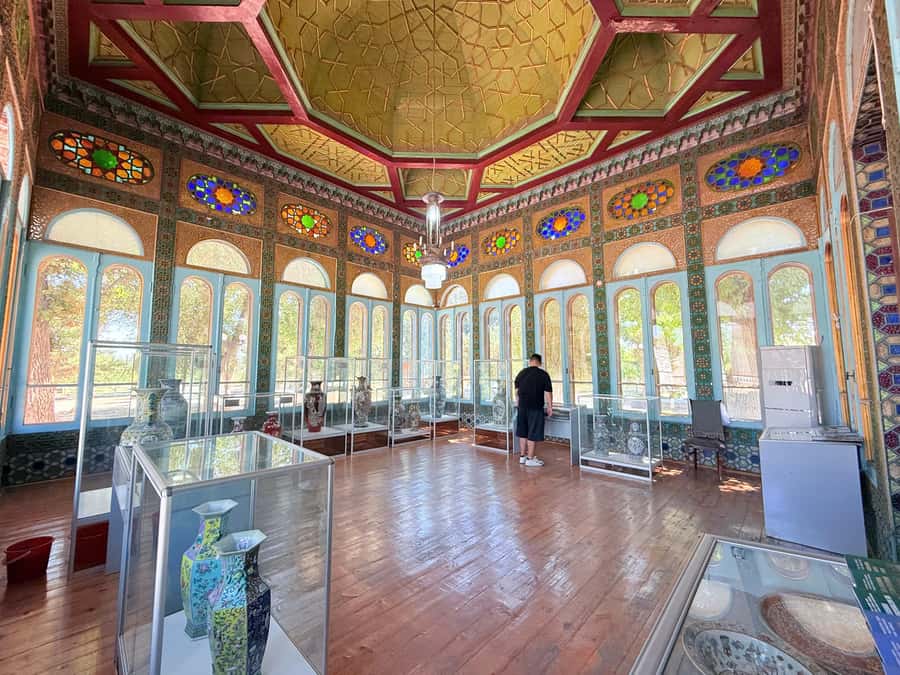
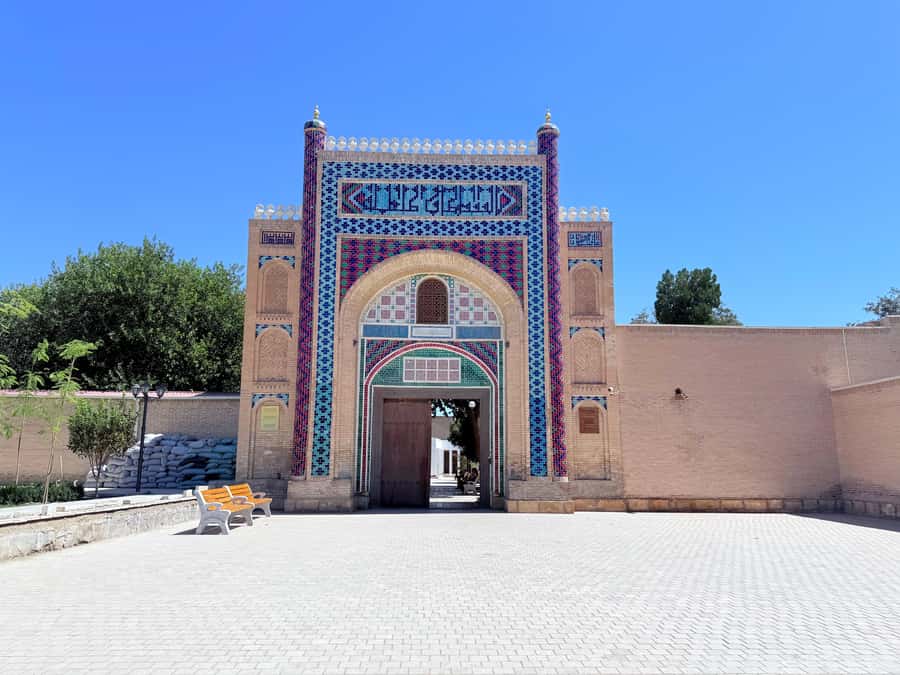
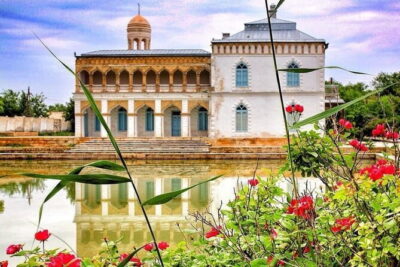
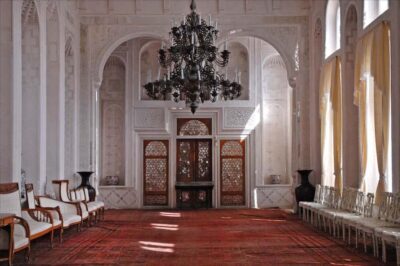
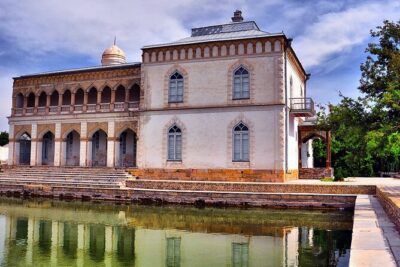
Next comes Sitorai Mokhi Khosa, located just outside Bukhara. This is a palace, known as the summer residence of the last emirs of Bukhara. The reason I love placing this early is that it breaks the rhythm. After time in the dense historic town, you shift to a different kind of architecture and atmosphere. It also gives you a chance to ask your guide questions about the emirate era without feeling like you are stuck in a single neighborhood.
Because Sitorai Mokhi Khosa is outside the core, the car transfer matters. It reduces fatigue and keeps your energy for later walking among the madrasas, mosques, and trade domes that make up most of central Bukhara’s UNESCO-packed feel.
More village days beyond the city walls
- Beyond the Walls: Countryside Tour with Transport and Lunch
★ 5.0 · 13 reviews - Hiking tour to Hayat, Uhum and Asraf villages – 4 days
★ 5.0 · 12 reviews - Bukhara Countryside Private Tour with Transport
★ 5.0 · 6 reviews - Bukhara: Combined City and Countryside Tour. Walking and Car
★ 5.0 · 5 reviews
Samanid Mausoleum and Chashma-Ayub: Spotting Bukhara’s Timeline
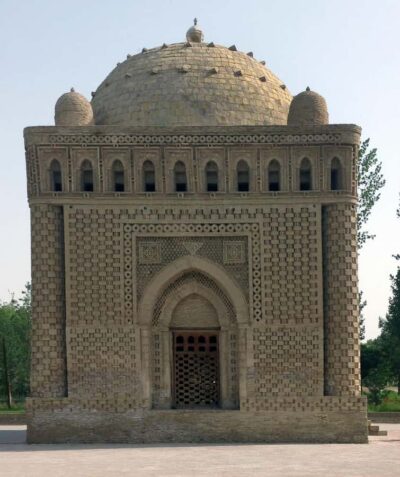
Then you hit the Samanid Mausoleum, built in the 9th-10th centuries, and described as one of the oldest and most beautiful monuments in Bukhara. This stop is all about scale and age. You’re seeing something that survived long enough to become a reference point for the city’s identity. Even if you know little history, you can still read the site like a visual timeline, because it feels grounded, established, and early.
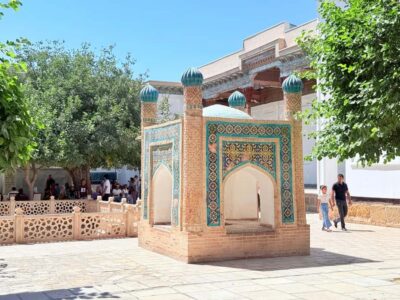
A close follow-up is the Chashma-Ayub Mausoleum, known as Job’s Spring, built in the 12th century and expanded in later periods. This is one of those stops where the name itself signals meaning. The “spring” concept makes it different from a mausoleum you might expect purely as a tomb. With a guide, you’ll understand why it matters culturally, and you’ll also notice how later additions changed the way the complex looks and functions.
If you like monuments that help you connect dates and ideas, these two stops work especially well back to back. The Samanid gives you the early anchor, and Chashma-Ayub shows expansion and layers, which is exactly how you should think about Bukhara as a place that kept growing.
Bolo Havuz Mosque and the Ark of Bukhara: Power and Faith in One Day
After the mausoleums, the tour continues with Bolo Havuz Mosque, built in the early 18th century. This is one of those stops that reminds you religion is not separate from the city. Mosques are part of the same urban system as markets, learning centers, and government.
Then you’ll visit the Ark of Bukhara, an ancient fortress that served as the residence of Bukhara’s emirs for centuries. Built in the 5th century and expanded over time, it housed palaces, mosques, and government offices. That mix is the key. The Ark is not just a “big old building.” It’s where power, faith, and administration met in one place, so the stop helps you understand how rulers shaped city life.
A practical thought: the Ark area can feel like you are walking through history at close range. Give yourself a moment to slow down, look around, and let your guide’s explanation land. The better your understanding of the Ark’s role, the easier it gets to make sense of the other madrasas and mosques later in the day.
The Kalyan Minaret and Kalyan Mosque: Bukhara’s Most Recognizable Landmark Pair
One of the highlights is the Kalyan Mosque, built in the 16th century beside the Great Minaret, and the Kalyan Minaret itself, built in 1127. This is the kind of stop that turns into a meeting point for your whole mental map of Bukhara. Even before your guide explains details, you’ll feel the importance through the sheer presence of the minaret and the scale implied by the mosque next to it.
I like that the route brings you here at a time when you are still fresh enough to appreciate the architecture. If you were starting with the busiest complex on day one, you might miss the small details. Here, you arrive with enough context from earlier stops to notice what changes across centuries.
What to do in this moment is simple: look up, then look across. Your eyes should bounce between the minaret’s date, the mosque’s position, and the way the complex anchors the city’s layout. When your guide talks through the meaning and function of both, the whole area starts to make sense as more than a photo backdrop.
Madrasas and Trade Domes: Learning and Commerce Side by Side
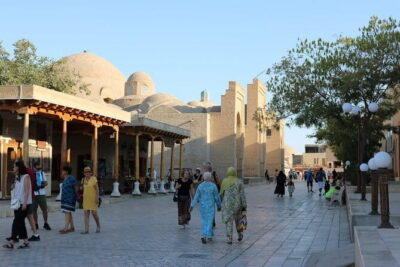
After the big landmark complex, the tour moves into the world of madrasas and trade domes, which is where Bukhara feels most “lived in,” even when you are only walking through it for a few hours.
You’ll visit the Mir-i-Arab Madrasah, built in the 16th century, described as one of Bukhara’s most important religious schools and a masterpiece of Islamic architecture. Then you’ll see Ulugbek Madrasah built in 1417 by Ulugbek, the Timurid ruler and scientist. These two stops create a great contrast in how you think about learning. One connects strongly to religious education, while the other highlights the scientific and intellectual reputation of a major ruler.
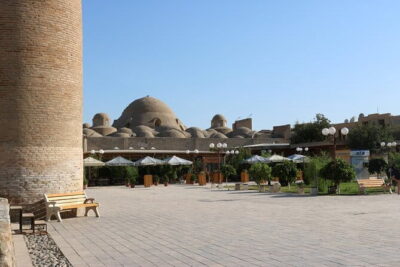
Next is Abdulazizkhan Madrasah built in 1652, and then Tim of Abdullakhan, built in the 16th century. After that come multiple trade domes, including Toqi Zargaron (built in the 16th century), Toqi Telpakfurushon (16th century), and Toqi Sarrafon (16th century). Toqi Sarrafon is especially interesting because it was once the main market for money changers and jewelers. That detail matters. It means these domes were about more than shopping. They were about economic trust, trade routes, and the daily rhythm of people doing business.
So here’s the practical way to enjoy this part: don’t just rush from doorway to doorway. Pause long enough to imagine the flow of the market. Your guide can explain how the architecture supports commerce, how the domes function, and why these domes are so central to understanding how Bukhara worked.
Other Uzbekistan walks at an easy pace
Magoki Attori Mosque and Lyabi-Havuz: Layers and Local Life
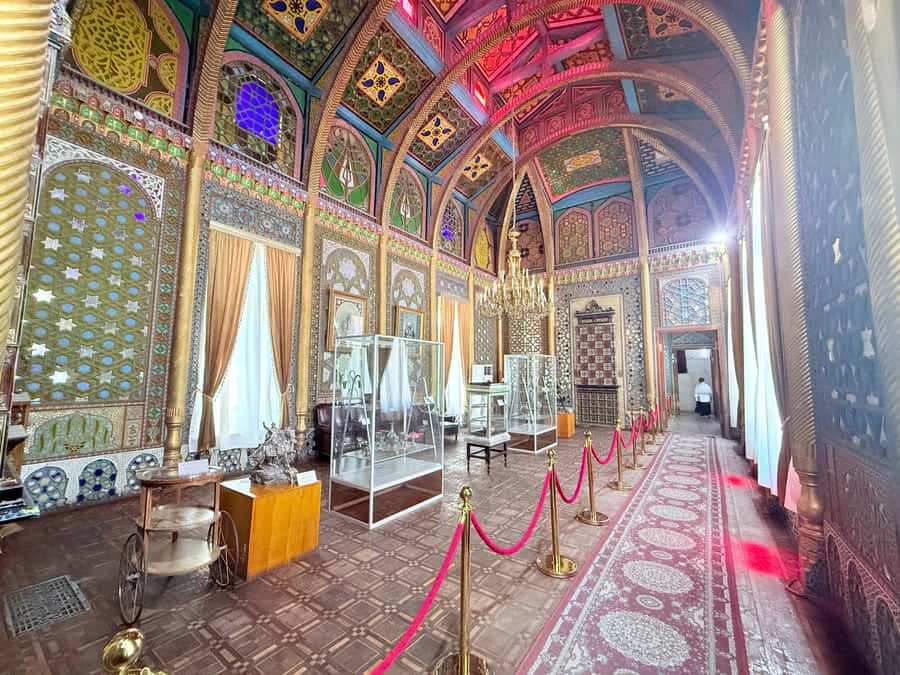
Next comes the Magoki Attori Mosque, dating back to the 9th-10th centuries. It was built on the site of a former Zoroastrian temple, so you get layers of pre-Islamic and Islamic history. This is one of the best stops on the day if you like seeing how cities change without disappearing. With the guide’s help, you can understand why Bukhara’s religious and cultural identity has shifted over time while still leaving visible marks.
Then you’ll reach Lyabi-Havuz, the central square of Bukhara built in the 16th-17th centuries, famous for its large pool surrounded by ancient mulberry trees. This is a natural reset button. After domes, fortresses, and tomb complexes, Lyabi-Havuz brings you back to a human scale. You can take a breath, step away from the biggest monuments for a minute, and just watch how the space feels.
The tour also includes parts of the Lyabi-Havuz ensemble, such as Nodir Devonbegi Khanqah and nearby madrasahs including Nodir Devonbegi Madrasah. You’ll also visit Kukaldosh Madrasah, one of the largest and oldest madrasahs in Bukhara, built in the 16th century during the Shaybanid dynasty.
If your energy dips, this is where to regain it. Lyabi-Havuz gives you a chance to sit, cool down, and ask your guide what to focus on if you return to Bukhara on another day.
Optional Lunch, Heat, and How to Stay Comfortable
Lunch is optional, so you can plan around what you want most. If you are the type who gets hungry and then cranky, it’s worth taking the lunch break seriously rather than trying to power through. If you prefer to keep the schedule tight, you might choose to eat later, but still plan for snacks and water during walking time.
The day includes plenty of outdoor exposure, and even with a guide pacing you well, the heat can change the experience. On days like this, guides such as Liyana and Irina have a reputation for staying calm, checking if you need anything, and explaining patiently even when the sun is doing its best work. That matters because it keeps you from feeling rushed or stuck.
A simple comfort kit goes a long way:
- water and a light snack
- sun protection
- shoes with grip for older stone surfaces
You’ll enjoy the sights more when you feel physically steady.
Entrance Tickets and Planning Your Budget Without Stress
One important note: entrance tickets are not included. That means your total day cost depends on which buildings you choose to enter and how ticketing works on the day of your visit. I like to think of this as a “flexibility tax.” You get control, but you need to budget a bit more than you might expect if you assumed everything was covered.
The upside is that your guide still handles the big picture. You are not losing time because you missed a ticket plan ahead of time, and you still get context for every site. But you should arrive mentally ready to either pay for entry or understand which parts are accessible without paying.
If you want the best value from this tour, treat the entrance tickets as part of the overall package. The tour is packed with major monuments, so paying for entry at key points often feels like the correct trade, not an unpleasant surprise.
Should You Book This Bukhara City-and-Countryside Tour?
I’d book it if you want a single, well-planned day that hits Bukhara’s signature monuments and also reaches beyond the tightest center with countryside-style variety. It’s especially a good fit if you like learning while you walk, because your guide can connect the stops into a clear story.
I’d also book it if you want the comfort of hotel pickup and drop-off and the sanity of transportation between clusters. You’re saving effort on logistics, and you are gaining time for the architecture and the explanations.
Skip it only if you plan to travel at your own pace with zero structure. This tour gives you a route, and it moves through a lot of sites. If you prefer long solo wandering, you might find the schedule a bit full.
Bottom line: if your goal is to get your bearings fast, see the core UNESCO-style highlights, and understand how Bukhara’s power, learning, faith, and commerce fit together, this one is a smart booking.
FAQ
How long is the Bukhara combined city and countryside tour?
The tour lasts about 6-7 hours.
Does the tour include hotel pickup and drop-off?
Yes. You meet your guide and driver at your hotel reception and you are also dropped off back at your hotel.
Is the tour mostly walking or mostly driving?
It is a combined tour with walking and car transportation.
What languages are available for the guide?
The guide can speak English, Russian, or Turkish.
Are entrance tickets included?
No. Entrance tickets are not included.
Is lunch included in the tour?
Lunch is optional.
What are some of the main stops on the itinerary?
The tour includes Chor Minor Madrasah, Sitorai Mokhi Khosa, the Samanid Mausoleum, Chashma-Ayub Mausoleum, the Bolo Havuz Mosque, the Ark of Bukhara, the Kalyan Mosque and Kalyan Minaret, the Mir-i-Arab Madrasah, and several other madrasas, mosques, and trade domes such as Toqi Zargaron and Toqi Sarrafon.
Who provides the tour?
The experience provider is UzLocalGuide.
Is a guide and transportation included?
Yes. The tour includes a professional guide and transportation.
What is the flexibility of booking and cancellation?
You can use reserve & pay later, and you can cancel up to 24 hours in advance for a full refund.
More Tours Around Uzbekistan

The Full Uzbekistan Review Pile
Out Past The Cities
More of Uzbekistan we have reviewed
- Full-Day Private Guided Tour to Islamic 7 Saints of Bukhara★ 4.5 · 3 reviews
- Uzbekistan 8 Days Private Guided Tour★ 4.6 · 3 reviews
- A Complete Chapter To Old Bukhara★ 5.0 · 5 reviews
- 2 – Days Guided Tour of Samarkand and Bukhara from Tashkent★ 5.0 · 5 reviews
- Bukhara Walking Tour★ 5.0 · 4 reviews
- A Group Walking Tour Of Old Town★ 5.0 · 8 reviews
Uzbek Countryside & Village Day Trips, compared.
 ★ 5.0Samarkand: Village Tour with Plov Cooking Class & Home VisitFrom $5929 reviews
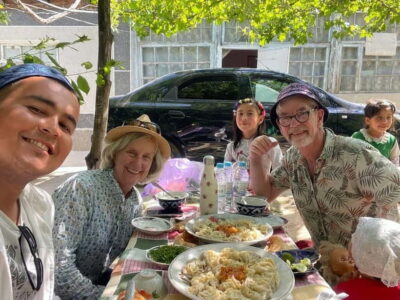 ★ 5.0Samarkand: Uzbek Cooking Class in a Village HomeFrom $5222 reviews
 ★ 5.0Beyond the Walls: Countryside Tour with Transport and LunchFrom $8913 reviews
 ★ 5.0Hiking tour to Hayat, Uhum and Asraf villages – 4 daysFrom $38012 reviews
 ★ 4.7Explore Bukhara Countryside with Local Lunch ExperienceFrom $956 reviews
 ★ 5.0Bukhara Countryside Private Tour with TransportFrom $996 reviews
 ★ 5.02 Day Ukhum Hiking Tour from BukharaFrom $2284 reviews
Browse the lists this tour appears in