
Review · BUKHARA
Bukhara: Full-Day Guided Tour with English-Speaking Guide
Bukhara walks like a storybook. On this full-day guided tour, you get a smart, English-speaking guide and a tight route through UNESCO Bukhara, from the Samanid Mausoleum to Lyabi Khauz, with clear context and easy practical tips. I really liked how guides like Lola, Paris, and Malika made the sites feel understandable, not just scenic.
I love the way the itinerary hits the city’s big landmarks in a logical order, and I also love the small shopping moment around the trading dome, especially if you’re hunting for scarves. One consideration: expect a moderate amount of walking, and the tour is not suitable for wheelchair users or people with significant mobility issues.
Key highlights at a glance
- Samanid Mausoleum: 10th-century brickwork and symmetric design tied to Ismail Samani
- Minorai Kalon (Kalon Minaret): a 47-meter tall 12th-century landmark that once guided caravans
- Poi Kalan Mosque: up to 10,000 worshippers, blue-tiled domes, and a detailed mihrab
- Magok-i-Attari Mosque: an underground entrance with layered Zoroastrian-to-mosque history
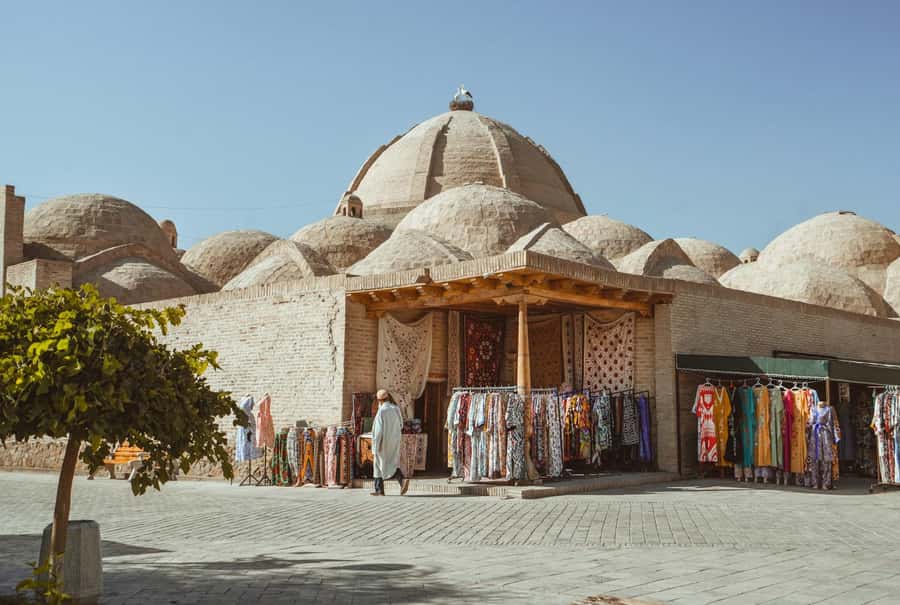
- Tim Abdulla Khan Trading Dome: Silk Road commerce plus time to browse local handicrafts
- Ark of Bukhara to Bolo Haouz: fortress power, then an Emir-era mosque with wooden columns
In This Review
- Bukhara in One Day: the route that actually makes sense
- Price and value: what $80 covers, and what you still plan for
- Starting near Lyabi Khauz: where your day starts and why it fits
- Samanid Mausoleum: 10th-century brickwork that rewards attention
- Minorai Kalon and Poi Kalan Mosque: minaret height and prayer-hall scale
- Magok-i-Attari Mosque: underground history you can literally step into
- Tim Abdulla Khan Trading Dome: Silk Road commerce, plus a real shopping tip
- Ark of Bukhara and Bolo Haouz: from rulers’ power to the Emir’s prayer place
- Lyabi Khauz at the end: tea-house life and the last pond
- Before you go: small rules that keep your day smooth
- Who should book this guided Bukhara day
- Should you book the full-day guided tour?
- FAQ
- What is included in the Bukhara full-day guided tour?
- Are meals and beverages included?
- Are entrance tickets included in the price?
- Is transportation with a driver included during the tour?
- What is the meeting point and where does the tour end?
- What languages is the tour guide available in?
- Can I take photos with flash inside the monuments?
- Is the tour suitable for wheelchair users or people with mobility impairments?
Bukhara in One Day: the route that actually makes sense
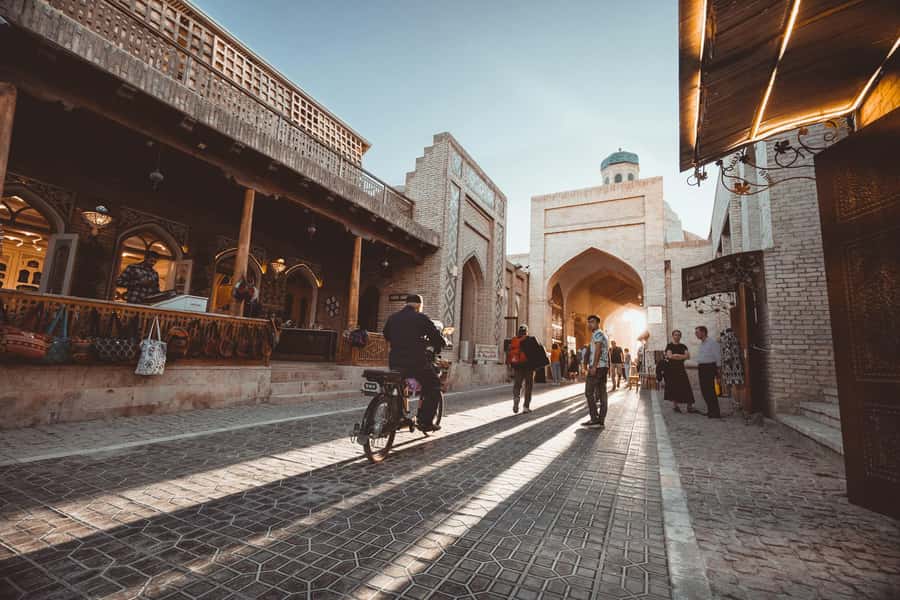
Bukhara is the kind of place where you can get lost fast, even when you’re not lost. This full-day plan gives you a clear path through the UNESCO old town so you spend your time seeing the monuments and hearing what they mean, not playing map roulette.
The best part is the balance. You get major architectural stops, yes, but also the marketplaces and public-life spaces that help explain how people lived around the mosques and trading routes. It feels like reading the city in layers, with your guide acting like the index.
Price and value: what $80 covers, and what you still plan for
At $80 per person, you’re paying for a certified English-speaking guide and the structure of a private tour. That matters in Bukhara because the details, dates, and names can blur together if you’re on your own.
What is not included is equally important. Meals and beverages are not part of the package, and entrance tickets are payable on the spot. Transportation during the tour with a driver is also not included, so plan on handling local getting-around yourself. If you want the day to feel smooth, it helps to start the tour fed and bring water for the walk between stops.
Starting near Lyabi Khauz: where your day starts and why it fits
Your tour meets near the Hodja Nasreddin monument at Lyabi Khauz. That’s a smart starting point because Lyabi Khauz is about people, not just monuments, and it sets the tone for the day’s theme: public spaces in Bukhara.
Also, you’re not stuck ending somewhere random. The tour finishes back at the meeting point, so you can plan dinner and shopping without stress. It’s a small thing, but it makes the day feel complete.
Deeper into the Bukhara old town
- Best of Bukhara: All Day Private Old Town Tour
★ 5.0 · 66 reviews - Best of Bukhara: All Day Private Old Town Tour
★ 4.9 · 62 reviews - City Tour Around Bukhara
★ 5.0 · 55 reviews - Bukhara Full Day Old City Private Tour
★ 5.0 · 46 reviews
Samanid Mausoleum: 10th-century brickwork that rewards attention
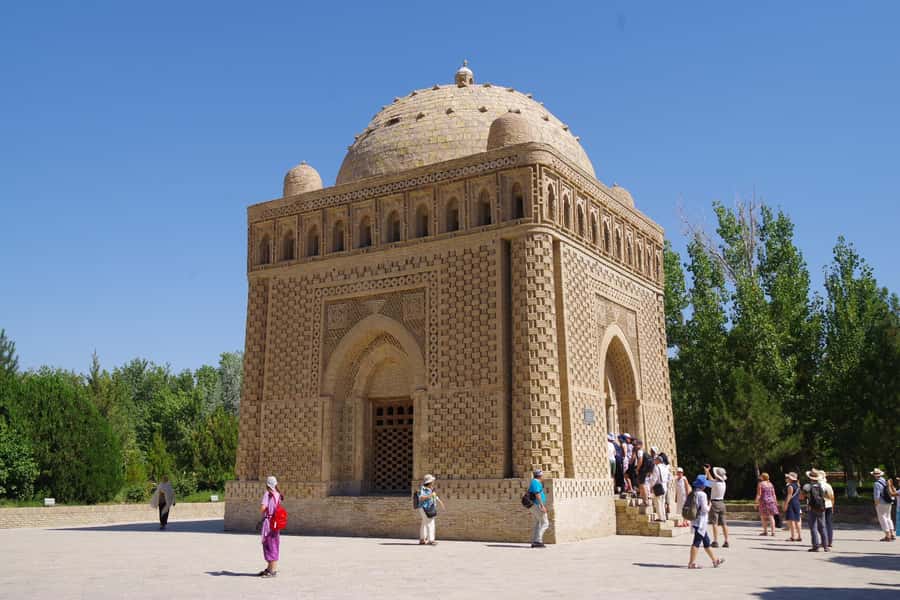
The day begins at the Samanid Mausoleum, described as one of the oldest monuments in Central Asia and built in the 10th century. You’re visiting the resting place of Ismail Samani, founder of the Samanid dynasty, which gives the site a personal historical anchor instead of just being a photo stop.
What I like about this start is that it trains your eye. Your guide points out the exquisite brickwork and the symmetrical design, and suddenly you start noticing how form, function, and belief connect in the architecture. This is where the tour starts teaching you how to look.
A practical note: photography is allowed, but flash photography is not permitted inside monuments. If you’re traveling with a camera, keep the flash off and focus on natural light and steady shots.
Minorai Kalon and Poi Kalan Mosque: minaret height and prayer-hall scale
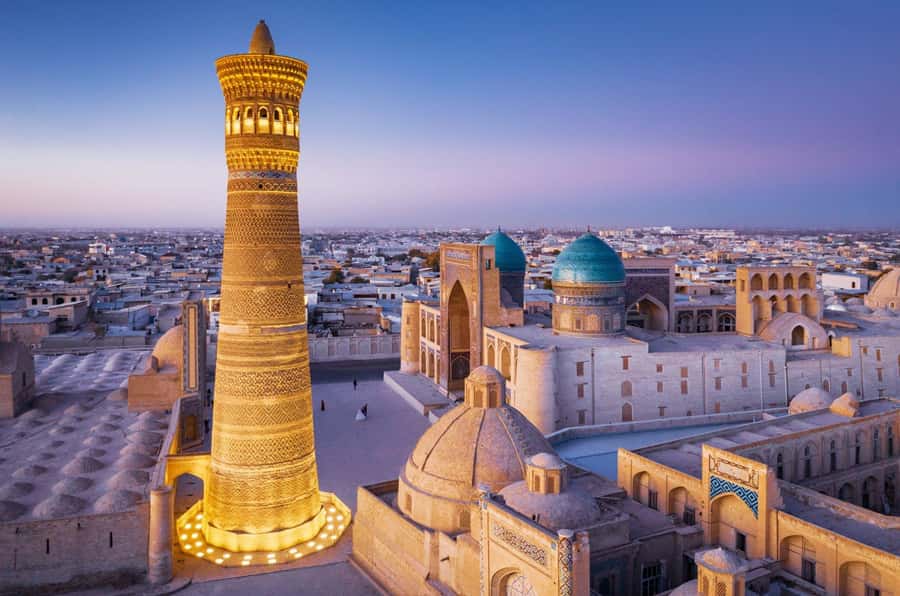
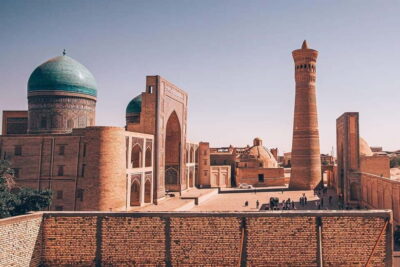
Next up is the Minorai Kalon, also known as the Kalon Minaret. It’s a 47-meter tall structure from the 12th century, and the guide’s stories about how it once guided Silk Road caravans help you picture it in its original setting.
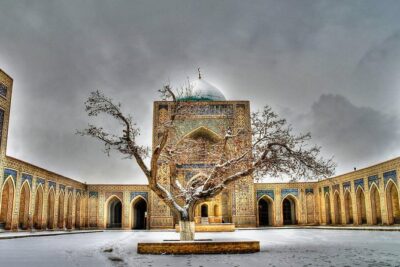
Then you move near the Poi Kalan Mosque, which can hold up to 10,000 worshippers. The inside details are the payoff, especially the expansive courtyard, intricate blue-tiled domes, and the elaborate mihrab. Even if you’re not a architecture nerd, this stop gives you a sense of how large and organized religious life became here.
If you’re sensitive to crowds, plan to take your time with the courtyard views. The scale is impressive, but it can feel busy depending on the time of day.
Magok-i-Attari Mosque: underground history you can literally step into
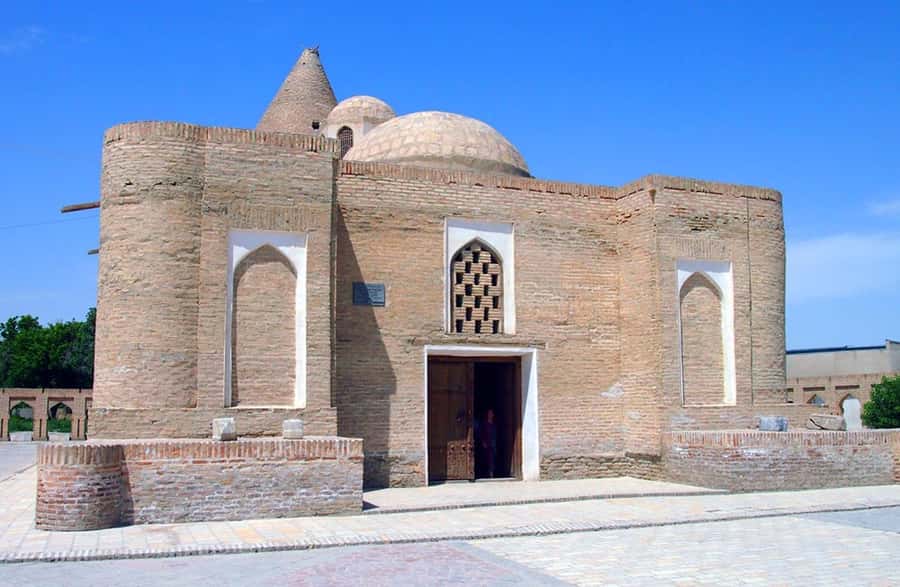
After the big minaret and mosque, the Magok-i-Attari Mosque is a great shift. This site has one of the most unique backstories on the list: it originally served as a Zoroastrian temple and was later converted into a mosque in the 12th century.
The key experience is the underground entrance. You can see how buildings evolve instead of being erased and replaced. Your guide’s explanation of that evolution makes it easier to understand the cultural layering across centuries.
It’s also a reminder that Bukhara is not frozen in time. It keeps absorbing new meanings while still holding onto older traces.
Tim Abdulla Khan Trading Dome: Silk Road commerce, plus a real shopping tip
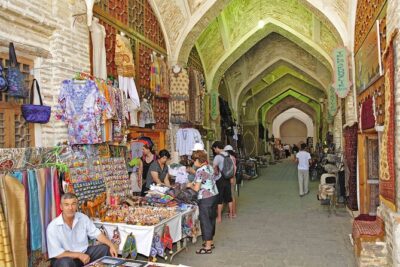
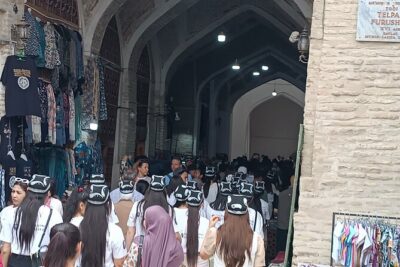
The Tim Abdulla Khan Trading Dome is one of the remaining structures from Bukhara’s Silk Road marketplace scene. You’re not just browsing for souvenirs here. Your guide explains the dome’s historical role in Silk Road commerce, which makes the crafts feel connected to the story of the city instead of random retail.
This is also a place where you can get smart with shopping. From guide-led experiences, I’ve learned that the best scarf buys often come after you’ve seen the quality and the workmanship, not before you’re rushed. With guides like Malika, you may even be shown artisan workshops where you can buy high-quality products, so it can pay to wait for this part of the day rather than grabbing the first scarf you see.
If you do plan to shop, keep an eye on your hands and your water. The tour is walk-heavy, and it’s easy to overpack when you’re excited.
More guided Uzbekistan departures
Ark of Bukhara and Bolo Haouz: from rulers’ power to the Emir’s prayer place
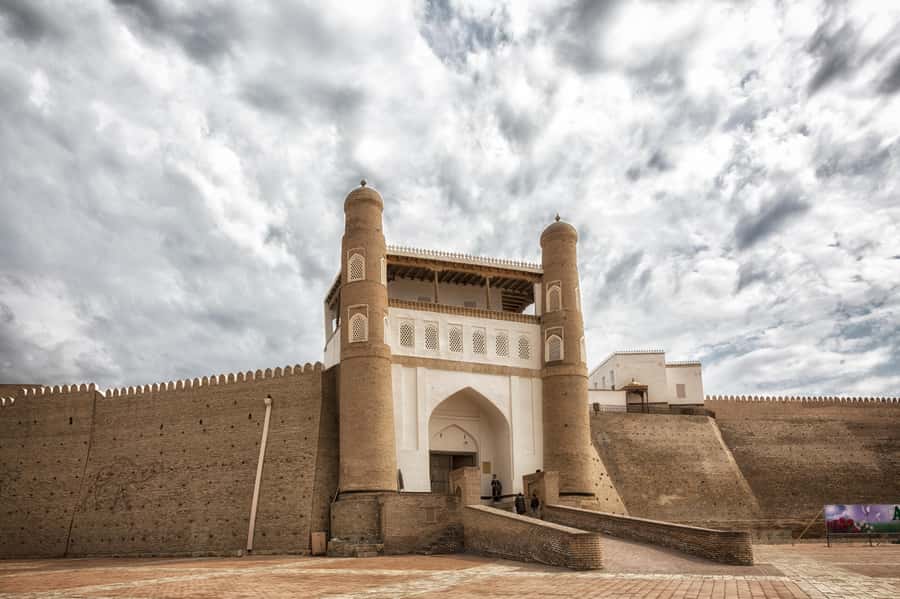
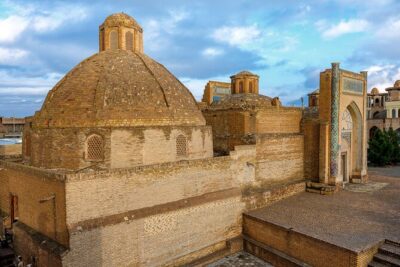
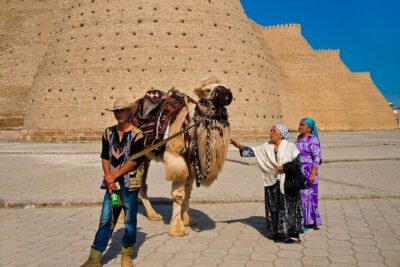
The Ark of Bukhara is a massive fortress and royal residence. Dating back to the 5th century, it’s one of those sites where the sheer size helps you understand why rulers cared about defense and control. Your guide takes you through the vast walls, courtyards, and chambers and ties it back to governance and protection.
What I like here is that the tour doesn’t only focus on religious monuments. You also see political power in stone and mudbrick logic, which helps you understand how Bukhara functioned as a whole.
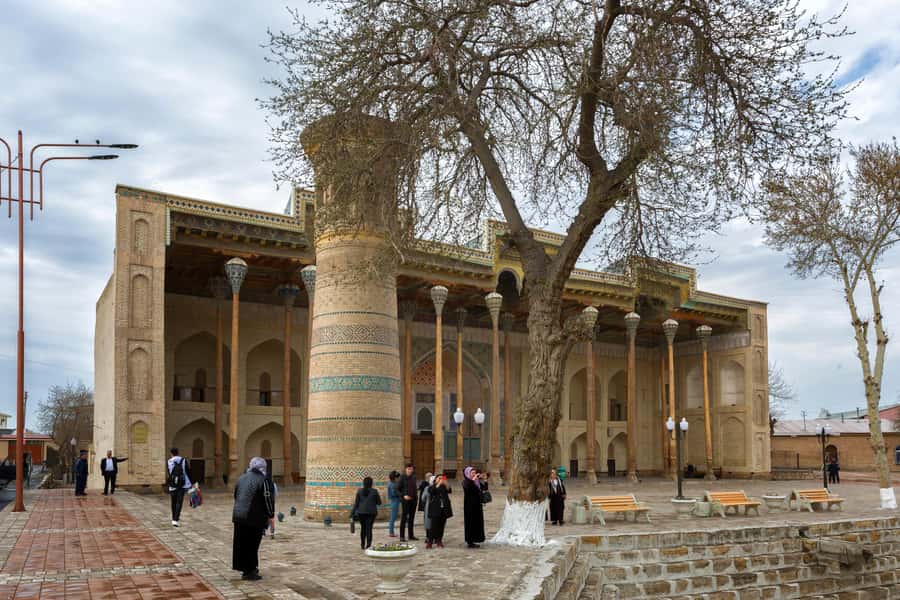
Then you head to Bolo Haouz Mosque, known for its elegant wooden columns and peaceful ambiance. Built in the early 18th century, it served as the Emir of Bukhara’s official place of worship. It’s a calmer stop after the fortress, and the contrast helps the day feel balanced.
Lyabi Khauz at the end: tea-house life and the last pond
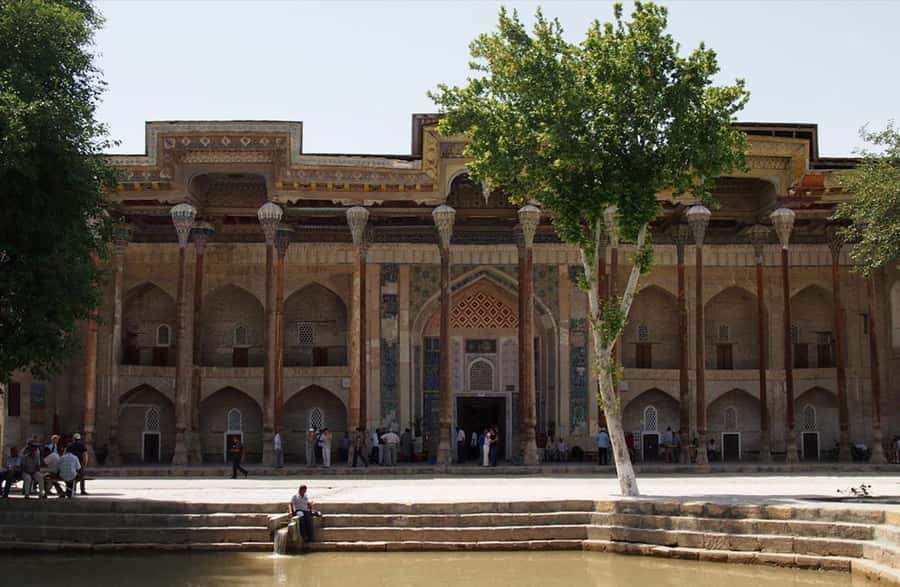
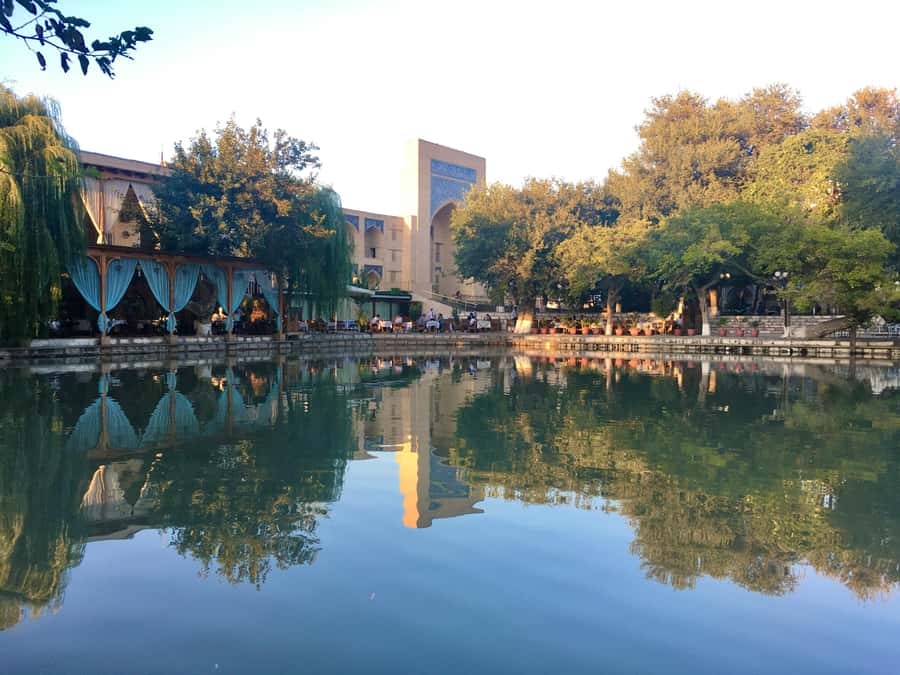
To close the day, you’ll return to Lyabi Khauz, a tranquil plaza centered around one of the last remaining ponds in Bukhara. Your guide explains why this area mattered during the city’s heyday, including its role as a social center with madrassas and tea houses nearby.
This last stop is perfect for letting your brain file the day. After moving through mausoleums, mosques, and fortresses, it’s nice to sit and watch everyday life for a moment. Even if you’re tired, you’ll likely enjoy the slower pace here.
If you still have time for photos, this is also where you tend to get more relaxed shots, since it’s less about strict inside rules and more about public space.
Before you go: small rules that keep your day smooth
Comfort matters on this tour because there’s a moderate amount of walking between monuments. Wear comfortable shoes and bring water. The tour also asks you to bring a hat and sunscreen for sunny conditions.
Inside monuments, flash photography is not allowed. Photography without flash is fine, so plan to use your phone or camera normally and keep your settings ready.
One more practical detail: food and drinks are not allowed inside the monuments. That doesn’t mean you can’t eat during the day, but it does mean you should plan meals before or after the tour so you’re not stuck hungry while you’re touring.
Who should book this guided Bukhara day
This is a strong fit for first-timers in Bukhara who want a guided route that makes the main sights intelligible. If you like architecture, Islamic monuments, and trade history, you’ll get a lot out of the Samanid Mausoleum, Kalon Minaret, Poi Kalan, the underground Magok-i-Attari, and the trading dome.
It’s also a good choice if you care about language and clarity. The guide is certified and the tour runs in English, and some guides also handle Russian. In past experiences, guides like Lola, Paris, and Malika were praised for friendly delivery, deep answers, and very strong English.
The main mismatch is mobility. The tour is not suitable for wheelchair users or people with significant mobility impairments. If you have any doubt, think carefully about walking distances and uneven historic surfaces.
Should you book the full-day guided tour?
Book it if you want a structured day in Bukhara where the big monuments connect into a single story. The price works well for the value you get: a private tour with a certified English-speaking guide, multiple major heritage stops, and time that fits both sightseeing and market-life context.
Skip it or choose something else if walking is hard for you, or if you prefer an unstructured day with no guidance. Also, if you hate managing logistics like entrance tickets on the spot, you’ll need to plan for that.
If you’re aiming to see Bukhara’s icons and understand why they matter, this guided full-day loop is the kind of plan that helps you enjoy the city instead of just passing through it.
FAQ
What is included in the Bukhara full-day guided tour?
The tour includes a certified English-speaking guide, a private tour, and suggestions.
Are meals and beverages included?
No. Meals and beverages are not included.
Are entrance tickets included in the price?
No. Entrance tickets are not included, and you can pay on the spot.
Is transportation with a driver included during the tour?
No. Transportation during the tour with driver is not included.
What is the meeting point and where does the tour end?
The tour starts at Lyabi Khauz near the Hodja Nasreddin monument, and it ends back at the same meeting point.
What languages is the tour guide available in?
The tour is available in English and Russian, and it includes an English-speaking guide.
Can I take photos with flash inside the monuments?
Flash photography is not allowed inside the monuments.
Is the tour suitable for wheelchair users or people with mobility impairments?
No. The tour is not suitable for wheelchair users or people with significant mobility impairments.
More Tours Around Uzbekistan

The Full Uzbekistan Review Pile
Keep Walking Bukhara
More of Uzbekistan we have reviewed
- Full-Day Private Guided Tour to Islamic 7 Saints of Bukhara★ 4.5 · 3 reviews
- Uzbekistan 8 Days Private Guided Tour★ 4.6 · 3 reviews
- A Complete Chapter To Old Bukhara★ 5.0 · 5 reviews
- 2 – Days Guided Tour of Samarkand and Bukhara from Tashkent★ 5.0 · 5 reviews
- Bukhara Walking Tour★ 5.0 · 4 reviews
- A Group Walking Tour Of Old Town★ 5.0 · 8 reviews
Bukhara Old Town & Heritage Tours, compared.
 ★ 5.0Best of Bukhara: All Day Private Old Town TourFrom $6566 reviews
★ 4.9Best of Bukhara: All Day Private Old Town TourFrom $6462 reviews
★ 5.0Best of Bukhara: All Day Private Old Town TourFrom $6566 reviews
★ 4.9Best of Bukhara: All Day Private Old Town TourFrom $6462 reviews
 ★ 5.0Bukhara Full Day Old City Private TourFrom $8546 reviews
 ★ 4.5Bukhara One Day Tour – Departure From TashkentFrom $24937 reviews
 ★ 5.0Private Guided Tours in Bukhara with Several OptionsFrom $5034 reviews
 ★ 4.9All You Need To Know About Bukhara. A Walk In The TownFrom $5531 reviews
 ★ 5.0One-Day Private Tour in the Old Town of BukharaFrom $6724 reviews
 ★ 4.4Bukharian Bath in Ancient Hammam with MassageFrom $6719 reviews
Browse the lists this tour appears in