
Review · BUKHARA
Private Guided Tours in Bukhara with Several Options
Bukhara feels best on foot, and this private guided route makes it easy to follow. You’ll connect Lyab-i Hauz courtyards with the Kalyan complex, guided by someone who can explain what you’re looking at as you go.
I love that guides like Sunny (Kurshida), Mari, Lola, and Nur keep things clear and conversational, with clear English and plenty of Q and A time. I also like the practical problem-solving, like Nur arranging an electric cart near the end when people got tired.
One thing to plan for: entrance tickets and lunch are not included, so you’ll want a little extra money and a flexible mindset about breaks.
In This Review
- Key Highlights You’ll Actually Feel During the Tour
- How This Private Bukhara Route Keeps You From Getting Lost
- Lyab-i Hauz Complex, Plus Magoki-Attori Mosque
- Covered Trading Domes: Sarrofon, Telpakfurushon, and Zargaron
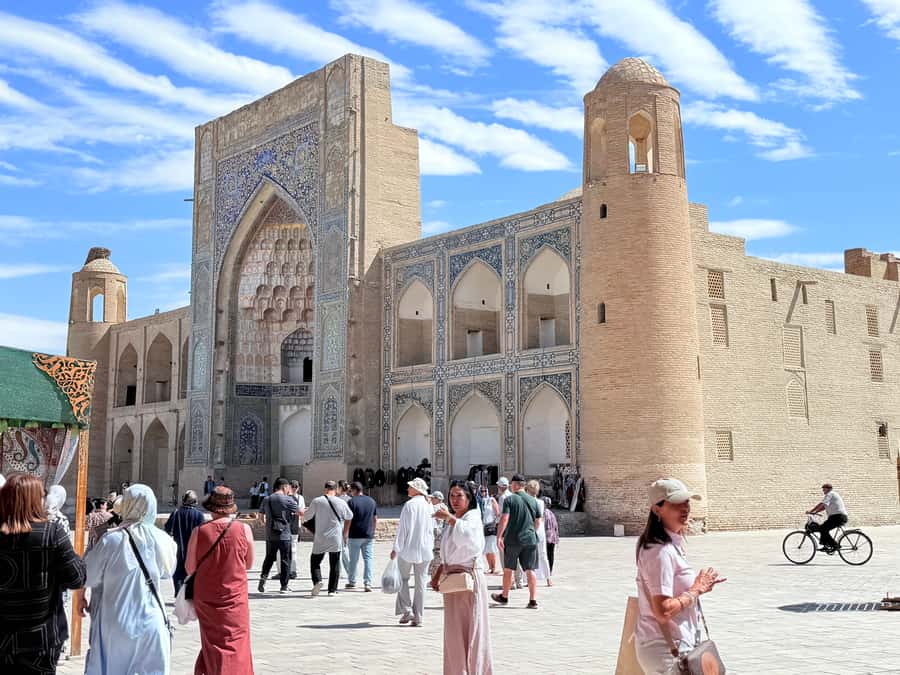
- Ulugbek Madrassah and Abdulazizkhan Madrassah: Education as Architecture
- Poi Kalyan: Kalyan Mosque, Minaret, and Mir-Arab Madrassah
- The Ark Fortress: Emir Power in Earth and Stone
- Bolo House Mosque, Chashma Ayub, and Ismail Samani Mausoleum
- Price and Value: What $50 Gets You, and What Costs Extra
- How Guides Like Sunny, Mari, Lola, and Nur Improve the Whole Day
- Who Should Book This Private Bukhara Tour
- Should You Book It?
- FAQ
- Where does the tour start and end?
- What languages are available for the guide?
- What’s included in the $50 per person price?
- What is not included?
- Is there a break for lunch during the itinerary?
- What is the cancellation policy?
Key Highlights You’ll Actually Feel During the Tour
- A tight route that covers the city’s power, faith, and commerce without wasting time
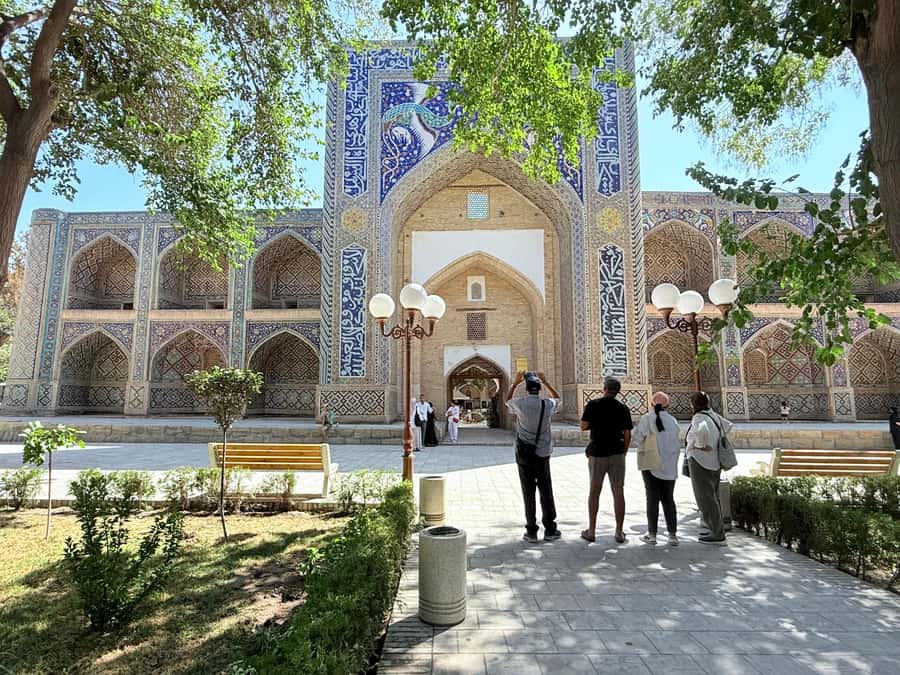
- Lyab-i Hauz on foot, including the Kukeldash Madrasah, Nodir Divan Begi Madrasah, and Hanaka Nadir Devanbegi
- The 12th-century Magoki-Attori Mosque, part of the Lyab-i Hauz religious complex
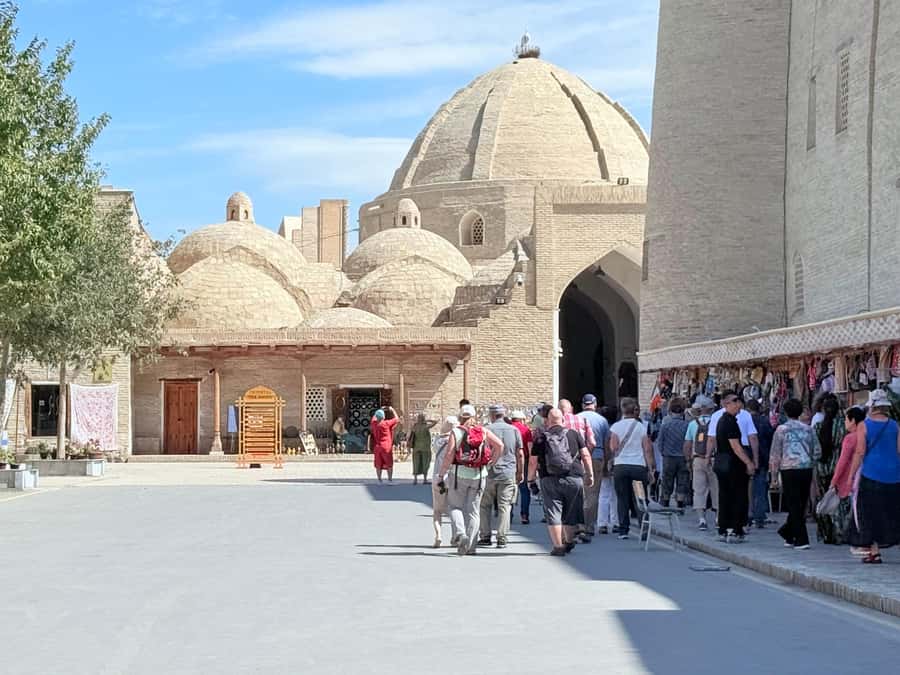
- Three trading domes in sequence: Toki Sarrofon, Toki Telpakfurushon, and Toki Zargaron
- Guides who bring the past to life with real stories and local tips, often with photo examples from older Bukhara
- Help when you need it, including the option of an electric cart if energy runs low
How This Private Bukhara Route Keeps You From Getting Lost
Bukhara’s historic center can feel like a maze, in the best way, until you realize you’re guessing instead of understanding. This private format is helpful because your guide stays with you and ties the sights together.
You start at the entrance door of Nodir Divan Begi Madrasah, and you end back at the same meeting point. That loop matters. You’re not trying to figure out where you’ll be later, which is great when you’re balancing time, heat, and photos.
Two things make this tour particularly “worth it.” First, it’s structured around recognizable clusters: Lyab-i Hauz, the covered trading domes, the madrassahs, and then the big-city icons around Poi Kalyan and the Ark. Second, your guide is expected to handle questions on the fly. In the strongest versions of this experience, you’ll get answers that are specific, not vague.
A small practical note: the tour includes a lunch break, but lunch itself is not included. So you’re not stuck waiting hungry. Still, you should budget for food and snacks, and you should carry a little cash for entrances and meals.
Lyab-i Hauz Complex, Plus Magoki-Attori Mosque
Lyab-i Hauz is one of the places in Bukhara where the city feels most human. You’re surrounded by major religious and educational buildings, yet the area still feels like a living public space.
The tour begins with the Lyabi House complex, which includes three monuments: Kukeldash Madrasah, Nodir Divan Begi Madrasah, and Hanaka Nadir Devanbegi. These aren’t random stops. Together, they show you how education, charity, and daily life were connected in historic Bukhara. Madrasahs weren’t only about studying. They were part of the city’s rhythm.
Next you visit the Magoki-Attori Mosque, a 12th-century building tied to the larger Lyab-i Hauz historical religious complex. This is where your guide’s storytelling pays off. You’ll get context for why certain structures were built the way they were and how religious life was organized around public spaces.
What I like about doing Lyab-i Hauz early is momentum. You get your bearings, then the rest of the city feels less like a checklist and more like a map you understand. If you’re the kind of person who asks why buildings look the way they do, you’ll enjoy this portion.
Deeper into the Bukhara old town
- Best of Bukhara: All Day Private Old Town Tour
★ 5.0 · 66 reviews - Best of Bukhara: All Day Private Old Town Tour
★ 4.9 · 62 reviews - City Tour Around Bukhara
★ 5.0 · 55 reviews - Bukhara Full Day Old City Private Tour
★ 5.0 · 46 reviews
Covered Trading Domes: Sarrofon, Telpakfurushon, and Zargaron
After you’ve wrapped your head around the religious and educational core, the tour shifts into commerce. That’s a smart move, because Bukhara isn’t just a museum town. The trading domes show you how money, crafts, and craftspeople shaped the streets.
You’ll visit Toki Sarrofon, a trading dome located at a historic crossroads in the city. It’s also a natural turning point because the itinerary builds in a break for lunch right after this stop. If you’re trying to pace yourself, this is one of the easiest parts of the tour to handle without running out of steam.
Then you continue to Toki Telpakfurushon, another trading dome tied to commerce and local craft traditions. The dome design matters here. Covered markets protected merchants and shoppers from weather and created reliable meeting points.
Next comes Toki Zargaron, devoted to craftsmanship and commerce. This stop is especially good if you like detail. Your guide can point out how the architecture and the market function fed each other, and you’ll often get local tips on what kinds of crafts to look for while you walk around afterward.
If you’re traveling with someone who prefers hands-on culture, this market section is where you’ll get the most “I get it now” moments. It also makes photos easier. Domes and lanes create great frames, and your guide can suggest angles based on what time of day you’re there.
Ulugbek Madrassah and Abdulazizkhan Madrassah: Education as Architecture
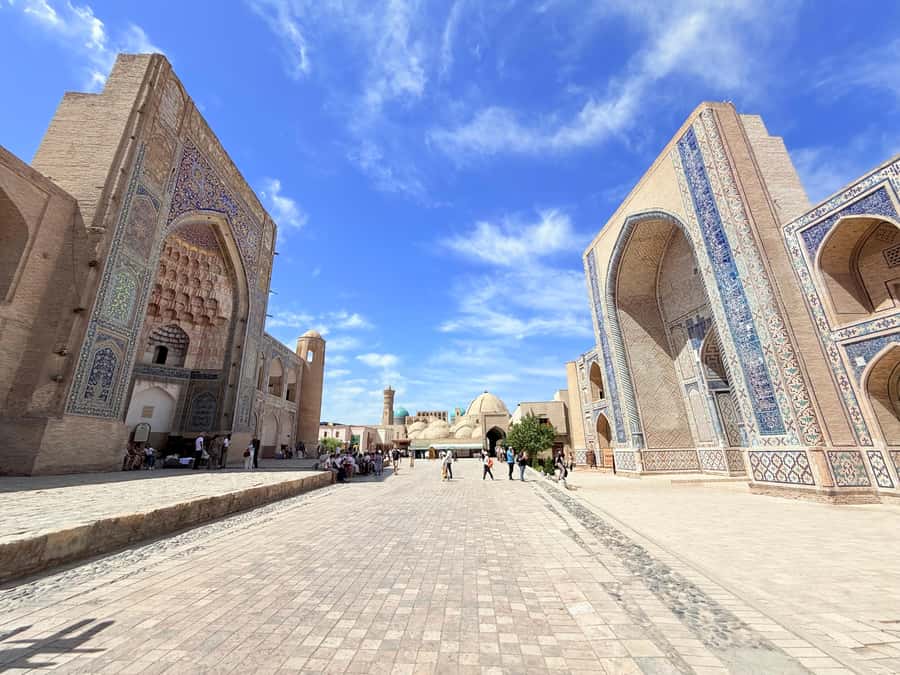
Now the tour turns back toward learning. Historic Bukhara’s madrassahs are not quiet background decorations. They are built statements about scholarship, authority, and civic pride.
You’ll visit the Ulugbek Madrassah, noted as one of the older buildings in Bukhara. It was built by Ulugbek, the grandson of Amir Timur. Even if you only remember one fact from this portion, remember that these were education centers tied to major rulers, not separate from politics.
Then you’ll visit Abdulazizkhan Madrassah, from the late 17th century. This is where the tour helps you see how styles and priorities changed over time. The architecture gives you clues, and your guide helps you connect those clues to history without drowning you in dates.
If you’re worried about getting “monument fatigue,” this is a good section because it’s still interesting even when you’re tired. Madrassahs have enough variety in their details that you don’t feel like you’re seeing the same thing again and again.
Poi Kalyan: Kalyan Mosque, Minaret, and Mir-Arab Madrassah
Poi Kalyan is one of the most iconic areas in Bukhara, and your tour hits its main pieces in one go. That’s valuable. You see how everything relates, instead of popping in and out like a drive-by.
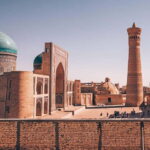
The stop includes the Kalyan Mosque, the Kalyan Minaret, and the Mir-Arab Madrassah. The minaret is the visual anchor, but the surrounding buildings show you the full composition of the complex: religion, education, and the city’s sense of identity working together.
This is also an ideal place for questions. When you ask why the minaret looks the way it does, your guide can connect the design to the era and function. That kind of explanation makes a big difference compared to just reading a sign.
One practical tip: take a moment to look at the complex from a step back, then again close up. Your guide can point out what you should notice first. In the best versions of this tour, the guide’s confidence makes the area feel less overwhelming, and you’ll know where to focus your photos.
The Ark Fortress: Emir Power in Earth and Stone
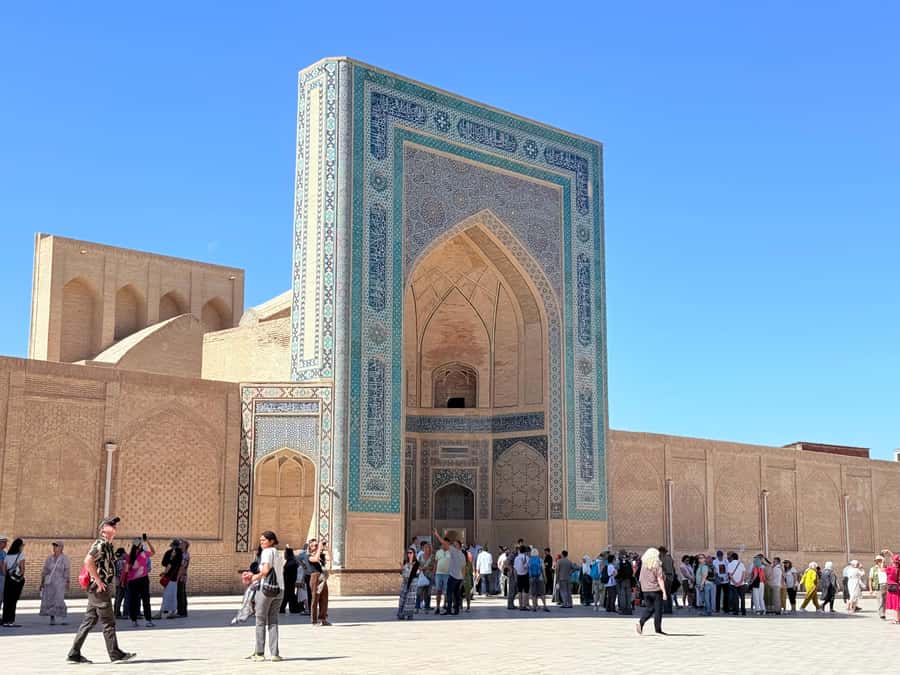
Next comes the Ark fortress, described as the citadel of the Emir of Bukhara. This is where Bukhara shifts from spiritual and educational space into political power.
The Ark is a large earthen fortification located in the northwestern part of contemporary Bukhara. Even if you’re not a history buff, you’ll feel the difference in atmosphere. The fortress design communicates control and defense.
What your guide can do well here is connect the architecture to the idea of rule. You’ll often learn why the Ark mattered, how it functioned, and how it fits into the broader city layout you just walked through.
If you like dramatic contrasts, this stop hits it. Earlier, you were in sacred and scholarly spaces. Now you’re in a place designed to hold power, protect leadership, and signal authority.
More guided Uzbekistan departures
Bolo House Mosque, Chashma Ayub, and Ismail Samani Mausoleum
The final stretch is built around belief, legend, and some of the earliest architecture in the region.
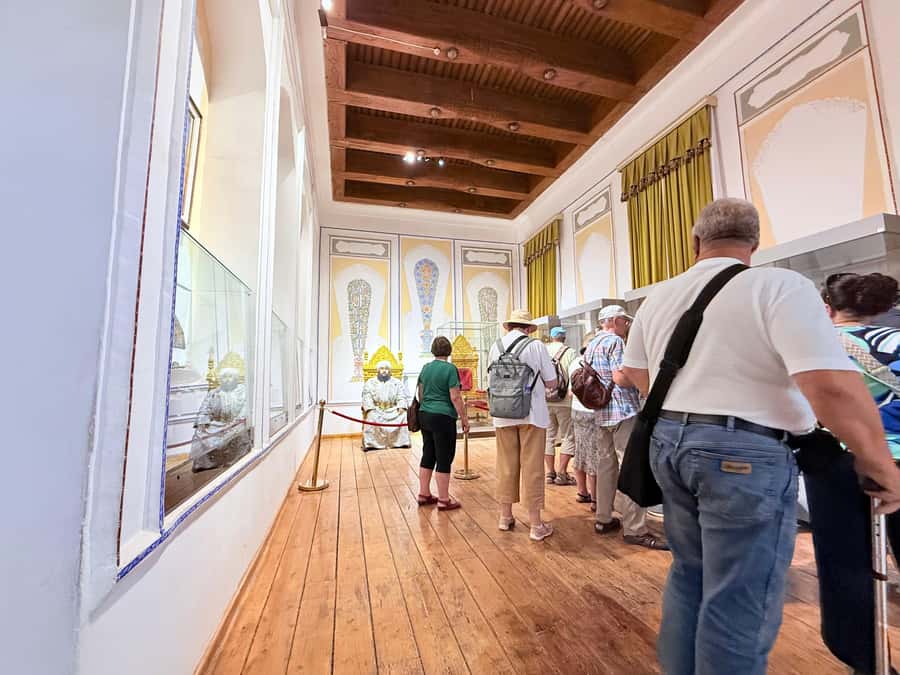
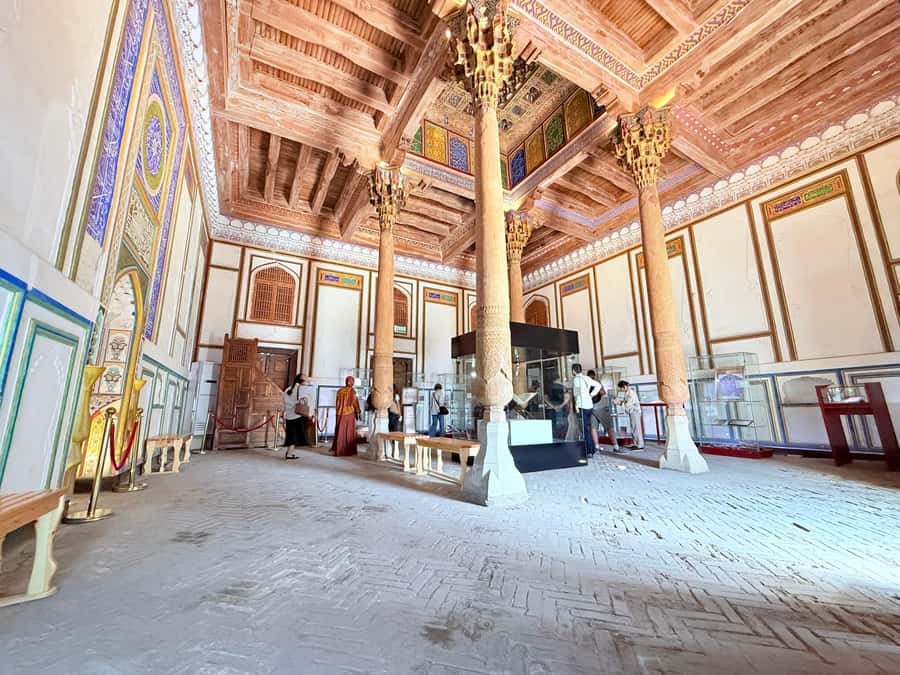
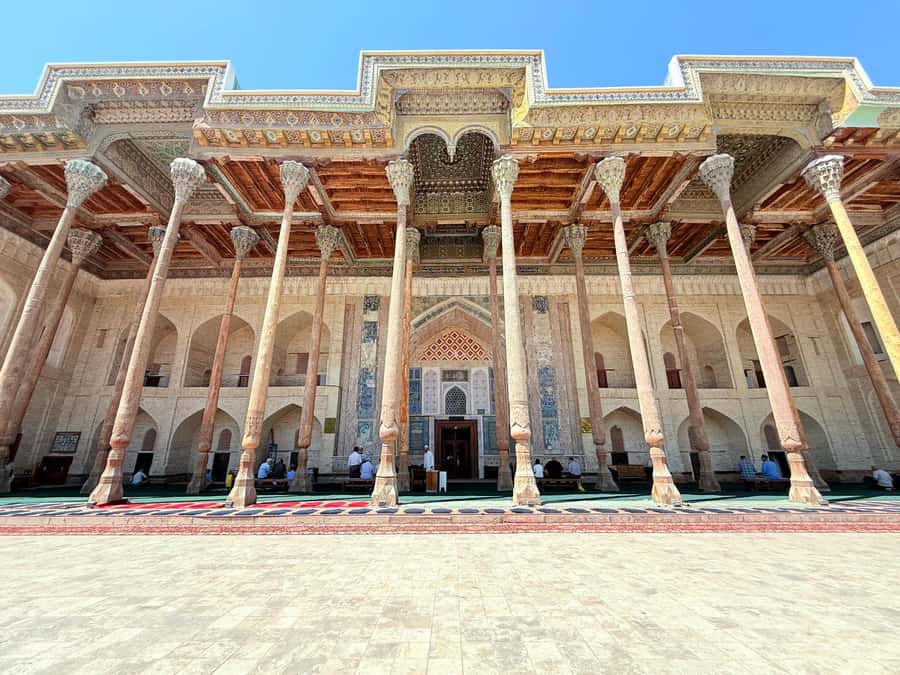
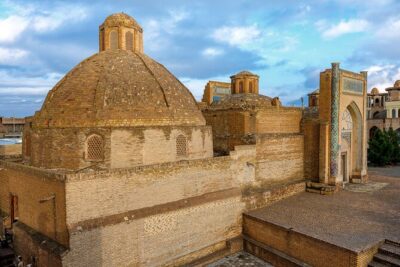
First, you visit the Bolo House Mosque (from the 18th to 20th centuries). This stop helps balance the older structures you’ve already seen. It shows that Bukhara’s religious architecture kept evolving well after the earliest monuments.
Then comes Chashma Ayub Mausoleum. The name means Job’s well. Here, the tour connects the site to the legend of Prophet Job, known as Ayub, visiting the place and striking the ground to create a well. This is the kind of story that turns a structure into something more meaningful, especially when your guide explains how legend and sacred geography work in the region.
Finally, you visit the Mausoleum of Ismail Samani. It’s considered one of the iconic examples of early Islamic architecture and is known as the oldest funerary building of Central Asian architecture. The Samanids established de facto independence from the Abbasid Caliphate in Baghdad and ruled over parts of modern Afghanistan, Iran, Uzbekistan, Tajikistan, and Kazakhstan.
That ending choice is smart. It brings you to an architectural anchor that makes the earlier stops feel like parts of one long story, not random impressive buildings.
Price and Value: What $50 Gets You, and What Costs Extra
The price is listed at $50 per person, and at this level, the big value is the private guide time. You’re paying for interpretation and pacing, not just movement between sites.
Included in the experience are professional guide service, online support, and taxes. What’s not included is entrance tickets and lunch.
That split matters. It means you should expect a modest add-on for entries, and you should plan to pay for lunch yourself. If you’re budgeting tightly, bring enough for meals and entrances so you don’t feel rushed during the lunch break.
Also, languages offered include English, Turkish, and Russian. If English clarity is important to you, this tour tends to shine because several guides have been praised for speaking in a way that’s easy to follow, even on more nuanced topics.
How Guides Like Sunny, Mari, Lola, and Nur Improve the Whole Day
A private walking tour lives or dies on the guide. This one has multiple standout profiles, and the themes repeat: passion, clear explanations, and thoughtful flexibility.
Sunny (Kurshida) is described as deeply knowledgeable about Uzbekistan’s history and culture, with clear English that makes complex topics easier to grasp. Nur is described as a walking encyclopedia, always ready to answer questions, and even arranged an electric cart when people were tired near the end.
Mari is praised for being thoughtful and easy with questions, while Lola is noted for being professional and knowledgeable, plus adding extra value with an old-photo collection of Bukhara that helps you compare past and present.
Even without seeing the photos, the effect is similar: you don’t just look at buildings. You start to understand what changed, what stayed, and why the city looks the way it does.
If you care about local life beyond monuments, you’ll likely enjoy the way the tour connects the religious complexes and madrassahs to markets and craft culture. That balance is what makes the day feel like more than sightseeing.
Who Should Book This Private Bukhara Tour
This tour fits best if you want a structured walk with a guide who can answer real questions and help you connect landmarks. It’s ideal for first-timers to Bukhara who want to hit the major historic areas without getting turned around.
You’ll also like it if you enjoy markets and craft culture, because the sequence of the trading domes gives context to what you see. And if you get tired easily, your guide can sometimes help with options like an electric cart toward the end, which makes a big difference in comfort.
It may not be the best fit if you prefer to move entirely at your own pace with zero guidance. This tour is organized, and you’ll be following an itinerary and schedule.
Should You Book It?
If you want an efficient, private way to understand Bukhara, I think you should book this. The combination of Lyab-i Hauz, the covered trading domes, Poi Kalyan, the Ark, and an ending at Ismail Samani covers the city’s big themes in a logical order.
Just go in with the right expectations: entrance tickets and lunch are on you, and the payoff depends on how much you ask and how curious you are. If you like stories, architecture, and practical local context, this is a strong $50-per-person value.
If you want, tell me your travel dates and the language you prefer, and I can suggest what to prioritize in the day so you don’t rush the photo stops.
FAQ
Where does the tour start and end?
The tour starts at the entrance door of Nodir Devonbegi Madrasah, and it ends back at the same meeting point.
What languages are available for the guide?
The tour is available in English, Turkish, and Russian.
What’s included in the $50 per person price?
The guide service, onile support, and taxes are included.
What is not included?
Entrance tickets and lunch are not included.
Is there a break for lunch during the itinerary?
Yes. There is a break for lunch during the tour.
What is the cancellation policy?
You can cancel up to 24 hours in advance for a full refund.
More Tours Around Uzbekistan
The Full Uzbekistan Review Pile
Keep Walking Bukhara
More of Uzbekistan we have reviewed
- Full-Day Private Guided Tour to Islamic 7 Saints of Bukhara★ 4.5 · 3 reviews
- Uzbekistan 8 Days Private Guided Tour★ 4.6 · 3 reviews
- A Complete Chapter To Old Bukhara★ 5.0 · 5 reviews
- 2 – Days Guided Tour of Samarkand and Bukhara from Tashkent★ 5.0 · 5 reviews
- Bukhara Walking Tour★ 5.0 · 4 reviews
- A Group Walking Tour Of Old Town★ 5.0 · 8 reviews
Bukhara Old Town & Heritage Tours, compared.
 ★ 5.0Best of Bukhara: All Day Private Old Town TourFrom $6566 reviews
★ 4.9Best of Bukhara: All Day Private Old Town TourFrom $6462 reviews
★ 5.0Best of Bukhara: All Day Private Old Town TourFrom $6566 reviews
★ 4.9Best of Bukhara: All Day Private Old Town TourFrom $6462 reviews
 ★ 5.0Bukhara Full Day Old City Private TourFrom $8546 reviews
 ★ 4.5Bukhara One Day Tour – Departure From TashkentFrom $24937 reviews
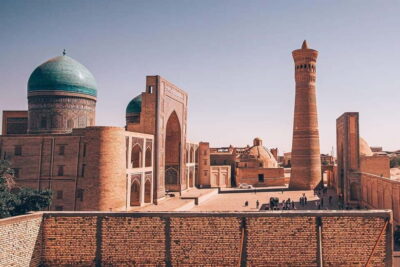 ★ 4.9All You Need To Know About Bukhara. A Walk In The TownFrom $5531 reviews
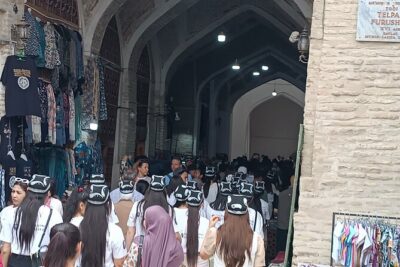 ★ 5.0One-Day Private Tour in the Old Town of BukharaFrom $6724 reviews
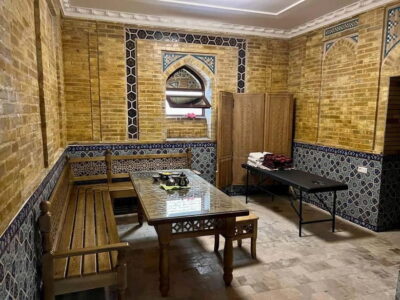 ★ 4.4Bukharian Bath in Ancient Hammam with MassageFrom $6719 reviews
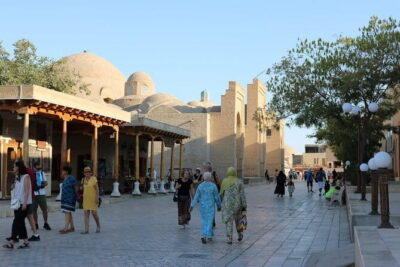 ★ 5.0Bukhara: Private Guided Walking Tour with Hotel PickupFrom $5011 reviews
Browse the lists this tour appears in