
Review · BUKHARA
A Group Walking Tour Of Old Town
Old Bukhara gives you instant context. This private walking tour packs major landmarks, bazaar life, and clear explanations into a short day, so you can get your bearings fast. I especially liked the way a guide can turn stone and street corners into stories you can actually follow, and I also loved seeing the Old City’s UNESCO status come to life as you move through it.
You’ll get plenty to enjoy, from the Trading Domes atmosphere to the larger-than-life religious sites like the Great Minaret of the Kalon. The one drawback to plan for: entrance tickets are not included, and you may also spend a chunk of your day on your feet, so comfortable shoes matter.
In This Review
- Key Points to Know Before You Go
- Walking Through Bukhara’s Old Town Without Getting Lost
- Start at Toki Sarrafon and Read the Trading Domes
- Citadel Ark: The Power Center You Can Feel
- The Kalon Ensemble: Great Minaret, Big Meaning
- Madrasas You Can’t Enter, Streets You Can Learn From
- Bazaars for Carpets, Spices, and the Stuff You Actually Want
- Stories From a Real Person, Not Just a Script
- UNESCO Context: Why the Old City Matters
- What’s Included, What’s Not, and How to Budget Smart
- Walking Tips That Actually Help in Bukhara
- A Realistic Consideration: Pacing and Accessibility
- Who This Tour Is Perfect For
- Should You Book This Old Town Walking Tour?
- FAQ
- Where does the tour start and end?
- Is this tour private or group-based?
- What is included in the price?
- What is not included?
- How much are entrance tickets?
- What language is the tour guide?
- What should I bring for the walking portion?
- What are the main rules during the tour?
- Who should not book this tour?
Key Points to Know Before You Go
- Start near Toki Sarrafon so you jump into the Trading Domes atmosphere right away
- Citadel Ark, Trading Domes, and the Great Minaret of the Kalon give you the big-picture Bukhara story
- Bazaars for textiles, carpets, and spices let you see everyday craftsmanship up close
- Mosques and tombs of Islamic saints add meaning beyond sightseeing
- Guides like Hamza and Aziza are a major reason the tour earns top marks, with patient answering and great pace
Walking Through Bukhara’s Old Town Without Getting Lost
Bukhara is one of those places where you can stare at buildings all day and still feel like you missed the point. This tour fixes that. You walk the Old Town with an English speaking local guide who helps you connect what you see to why it matters.
I like that the pace is designed for learning, not rushing. In a few hours, you can cover the kinds of sights that usually take multiple trips when you go solo. That makes it a strong choice if your Bukhara time is tight, because you still leave with a mental map and the context to keep exploring on your own.
Start at Toki Sarrafon and Read the Trading Domes
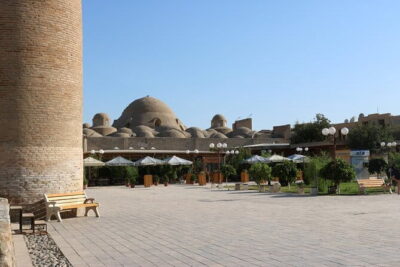
Your tour begins near the Trading Dome Toki Sarrafon, and that’s a smart starting point. These domed marketplaces are not just pretty architecture. They explain how Bukhara worked as a trading hub, where commerce and community met under carved ceilings.
As you walk, you’ll get guided help spotting the details that people normally overlook. Look for the rhythm of streets leading into domes, the way shops cluster, and how the area supports daily foot traffic. The guide’s explanations help you understand why the domes earned their famous nickname and what that says about old trading patterns.
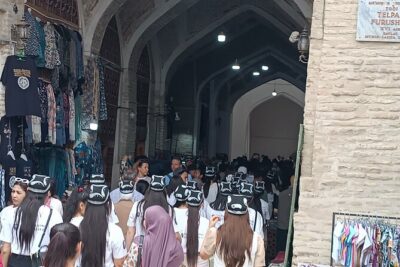
If you plan to shop, start thinking about it here. You’ll pass stalls and local offerings, and the guide can help you notice the differences in textiles and goods as you move through the Old Town lanes.
Deeper into the Bukhara old town
- Best of Bukhara: All Day Private Old Town Tour
★ 5.0 · 66 reviews - Best of Bukhara: All Day Private Old Town Tour
★ 4.9 · 62 reviews - City Tour Around Bukhara
★ 5.0 · 55 reviews - Bukhara Full Day Old City Private Tour
★ 5.0 · 46 reviews
Citadel Ark: The Power Center You Can Feel
Next, you’ll see Citadel Ark, one of Bukhara’s standout landmarks. Even without going deep into technical history, the Ark tells a powerful story about governance and control. It’s a fortress-citadel that represents how rulers protected authority in a changing region.
What I find valuable is not just seeing the structure, but understanding the role it played. A guide can connect the Ark to the broader city system you’re walking through today. When you link the citadel to the trading domes and the religious sites, Bukhara feels less like a collection of monuments and more like a living system.
Also, if you’re the type who wants context fast, this stop is a win. You’ll get your first big anchor point early, then everything else adds meaning.
The Kalon Ensemble: Great Minaret, Big Meaning
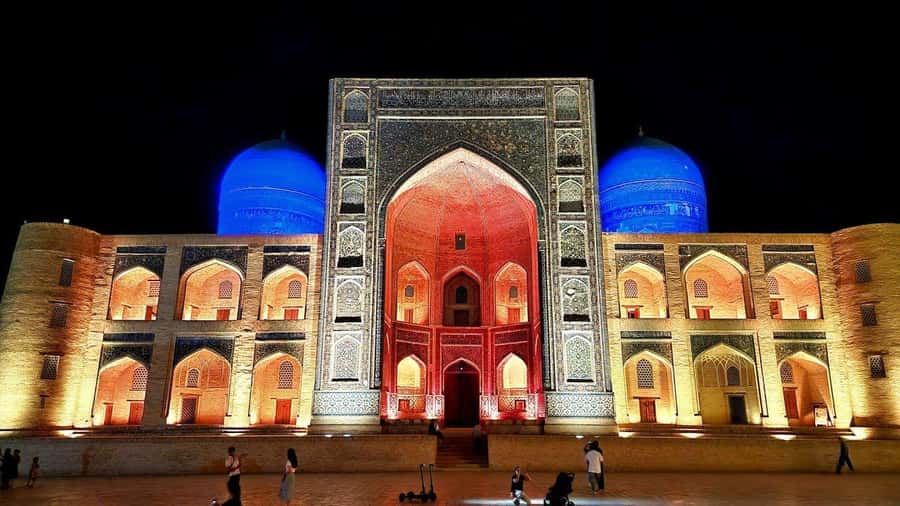
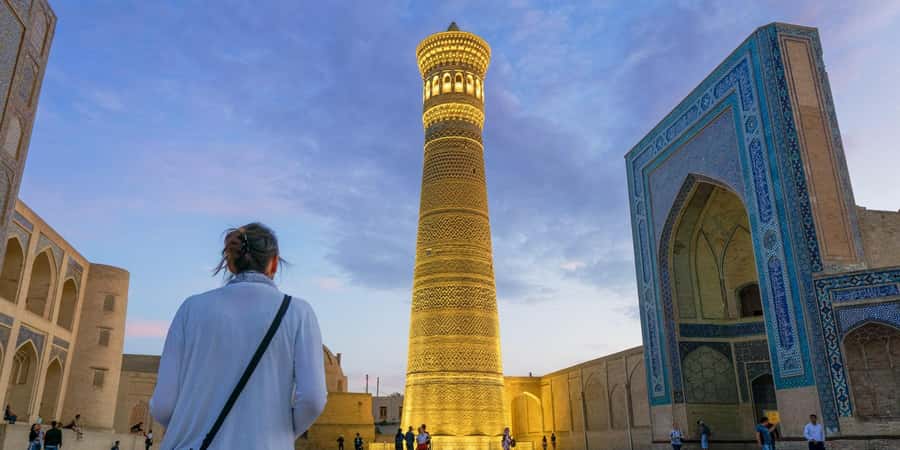
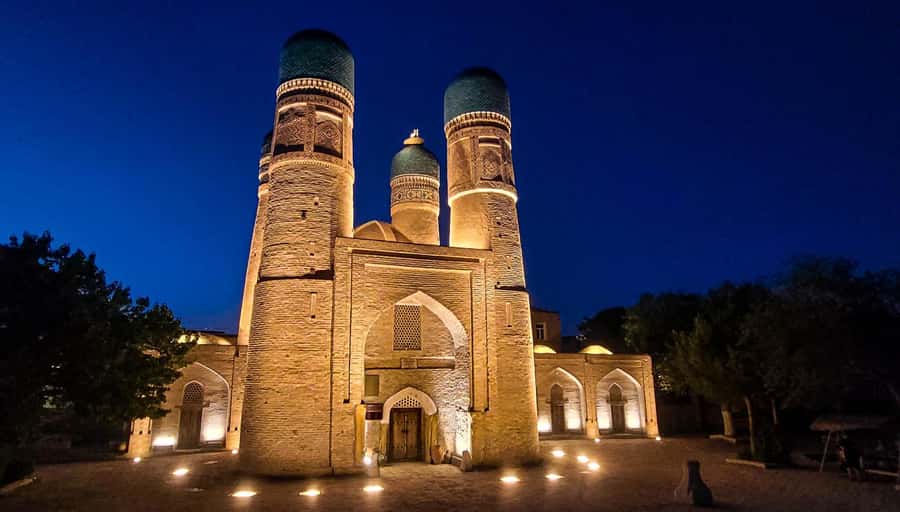
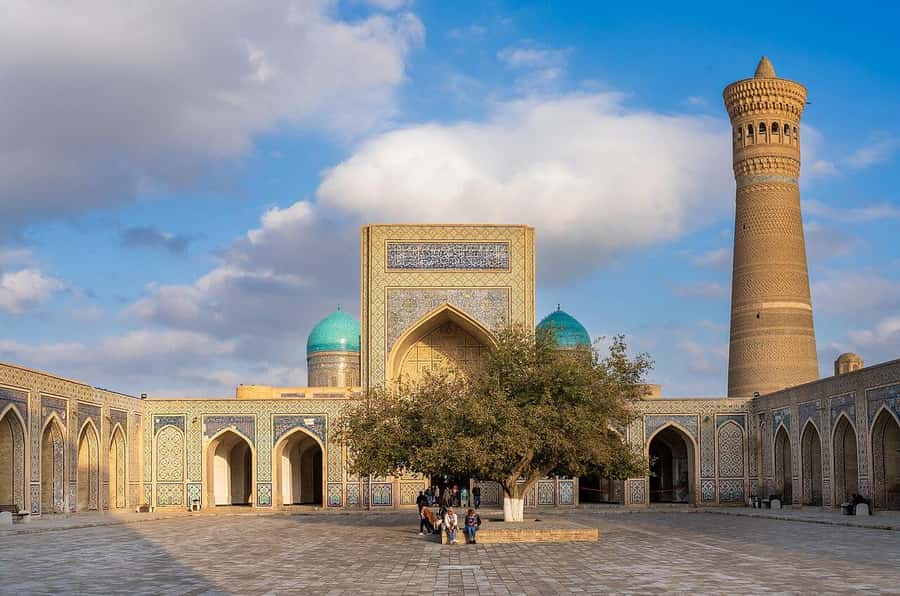
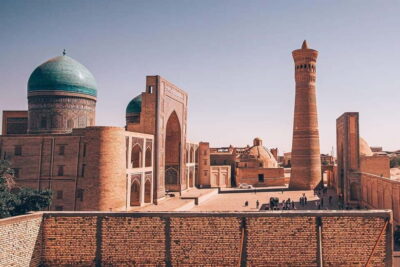
The highlight you’ll hear about most is the Great Minaret of the Kalon. Even if you’ve seen impressive minarets elsewhere, this one tends to land differently because it sits inside a larger religious complex that shaped centuries of city life.
You’ll learn how to look at it. The guide’s stories help you notice patterns you might otherwise miss, like how religious architecture expresses both faith and public presence. It’s not only about the view. It’s about the message the architecture was built to deliver.
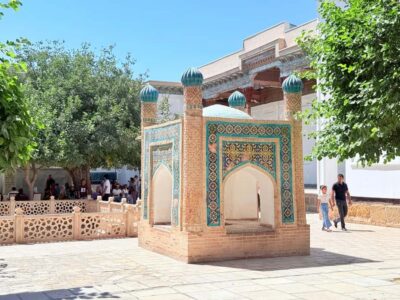
As you move through the area, you’ll also encounter mosques and tombs of Islamic saints. This is where the tour becomes more than architecture. The explanations give you a framework for understanding why these places matter socially, spiritually, and historically.
Madrasas You Can’t Enter, Streets You Can Learn From
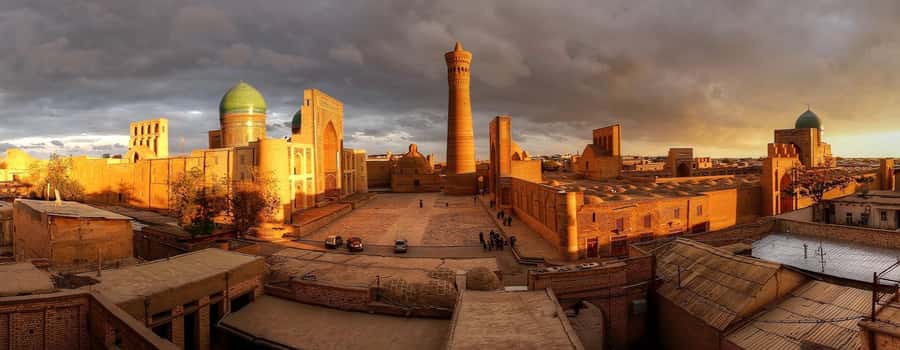
One of the tour’s clever strengths is how it handles the reality that some sites are not always accessible for entry. Instead of treating that as a problem, the guide steers your attention to what you can observe from outside.
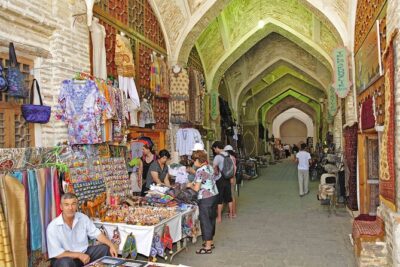
There’s also a practical benefit here: you spend time walking the Old Town district where streets feel intentionally pedestrian-friendly. As you move along, you’ll notice shops and stalls filled with hand-woven textiles, the kind Uzbekistan is known for.
This matters because shopping in Bukhara is not random. It’s part of the visual story of daily life. When the guide points out what you’re seeing, textiles stop being just souvenirs and become evidence of local skills and trade routes.
Bazaars for Carpets, Spices, and the Stuff You Actually Want
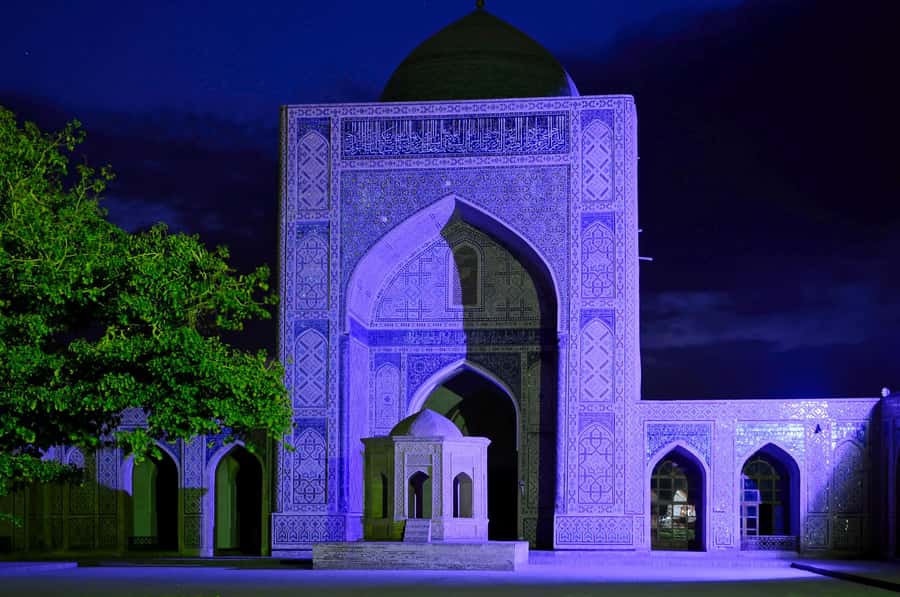
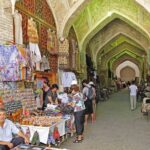
At some point, you’ll turn from landmarks to the market feel of the Old Town. The tour includes time to see local offerings in a traditional bazaar. That’s where Bukhara earns its reputation for craft.
You can expect to encounter goods across categories, such as carpets and Uzbek spices. The best value here is not impulse buying. It’s learning how to browse. When you understand the setting and what to look for, you make better choices and avoid feeling overwhelmed.
If you want practical souvenir ideas, this is where you can search. Uzbek textiles are a natural target, especially if you want something that feels connected to place. Spices can be a safer bet if you prefer smaller, easier-to-pack gifts.
And if you’re not buying anything, you still benefit. Market browsing is a way to understand the city. You’ll pick up on what locals prioritize and how commerce shapes street life.
Other Uzbekistan walks at an easy pace
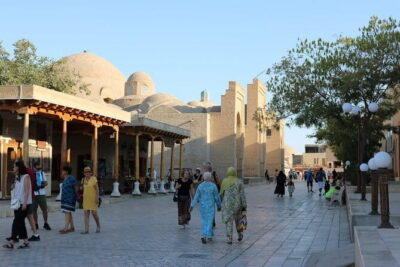
Stories From a Real Person, Not Just a Script
What consistently stands out in the reviews is the role of the guide. People mention Hamza by name for clear English, strong background, and patient answers. Another guide, Aziza, is praised for making time when schedules get tight and for sharing stories that make you feel like you’re walking with a friend who genuinely loves Bukhara.
That kind of guidance changes the tour. It helps you ask questions and get straight answers instead of nodding through facts. It also affects pace. The tours tend to avoid extremes, not too fast, not so slow that you lose momentum.
If you want to maximize value, show up with a simple attitude: ask questions. Even a basic question like how to interpret a building style or why a religious site is arranged a certain way can turn the tour into something personal.
UNESCO Context: Why the Old City Matters
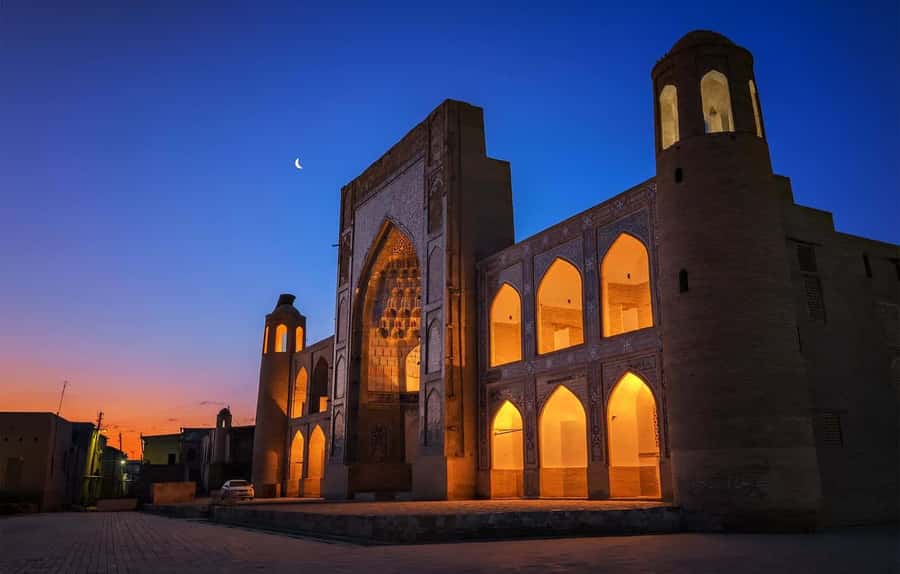
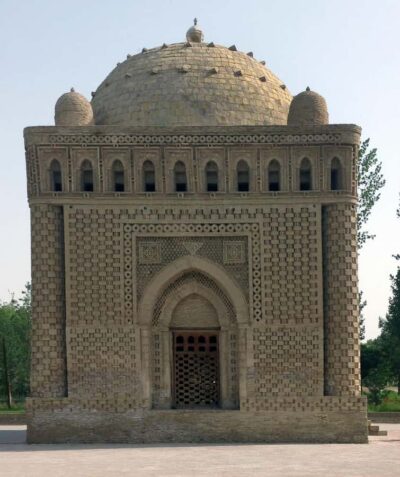
Bukhara’s historic center is included on the UNESCO World Heritage List, and that isn’t just a badge on a brochure. It’s a clue that the area is a high-density mix of architecture and cultural continuity.
On this tour, the UNESCO idea becomes practical. You’ll see how the city’s trading heritage and religious heritage overlap in the physical layout. You walk from market energy to monumental religious sites and back again, and the city starts to make sense as one connected story.
This is also a helpful way to judge what to do after the tour. If you already understand why the area is protected, your second day in Bukhara becomes more intentional. You don’t just photograph. You interpret.
What’s Included, What’s Not, and How to Budget Smart
The price is $29 per person, and the value comes from what you get with it: an English speaking local guide, a fully licensed guiding team, hotel pick-up, and all fees and taxes covered for the tour portion.
Entrance tickets are the key exception. Entrance tickets are not included, and there’s also an indicated monument entrance figure of $8 per person that you may pay for the monuments. Because entrance access can vary by site, it’s wise to keep some cash on hand and expect to pay on the spot.
Food is also not included. The tour does not include lunch or dinner. So you’ll want a plan for a meal break either before or after your walking window. If your day ends back at the starting point, you’ll likely be close enough to find something nearby, but you still should not assume the tour pauses for a full sit-down meal.
Walking Tips That Actually Help in Bukhara
This is a walking-focused Old Town experience, so your body needs to cooperate. Bring comfortable shoes and wear breathable clothing for warm weather. A hat and head covering help, since you’ll be in outdoor light for stretches.
Also, come prepared for sun and dust. The packing list includes biodegradable sunscreen and biodegradable insect repellent, which tells you the tour is designed for time outside. You’ll also want drinks, since you’ll be moving around and won’t have long breaks built into a strict routine.
If you want to be ready for photos and searching on your phone later, bring a charged smartphone and keep internet access available. You’ll likely want to look up details after you get home, or while you’re deciding what to do next in the city.
A Realistic Consideration: Pacing and Accessibility
A possible consideration is simply physical comfort and age range. The tour is not suitable for people over 95 years, and it is designed around walking. If you have mobility limits, you should think carefully before committing.
Another reality check is that the guide can show you a lot, but you still move through a historic district where entry access can vary. The tour is built around what you can see from the street plus major landmark viewing, which is great for learning. But if you’re counting on entering every single monument, you may want to pair the tour with additional independent time.
Who This Tour Is Perfect For
This tour shines for travelers with a short stay in Bukhara. If you want the city’s essentials without spending your time building a route on your own, the guide handles the hard part.
It also suits people who like meaning over checklist tourism. You get mosque and saint tomb context, not only postcard views. And if you’re the type who loves markets, the bazaar segment connects directly to Uzbekistan’s reputation for crafts and textiles.
If you already know your way around Bukhara and want slow, long exploration, you might find you want more free time after. But as an orientation day, this tour is strong.
Should You Book This Old Town Walking Tour?
Book it if you want a guided, high-impact way to understand Bukhara in a day. At $29 per person, the tour’s value comes from structured walking, a private guide, and the ability to connect landmarks like Citadel Ark and the Great Minaret of the Kalon to the city’s market and religious life.
Skip it or plan carefully if you hate walking, need frequent stops, or you’re trying to avoid paying any monument entrance fees. Also, if you want lots of long meal breaks, this tour sounds like it’s designed for sightseeing time first.
My advice: treat it as your first Bukhara day. You’ll leave with a map in your head, better questions for your next stop, and the confidence to explore the Old Town on your own after the guide drops you back near where you started.
FAQ
Where does the tour start and end?
The tour starts near the Trading Dome Toki Sarrafon and ends back at the same meeting point.
Is this tour private or group-based?
It is listed as a private tour with a guide, including a group walking format during the sightseeing.
What is included in the price?
Included are an English speaking local guide, hotel pick-up, a fully licensed guide, assistance 24h/7, private tour coverage, and all fees and taxes.
What is not included?
Not included are transportation during the tour with a driver, entrance tickets, lunch and dinner, accommodation, flight or train tickets, and gratuity. Entrance tickets to all monuments are indicated separately as $8 per person.
How much are entrance tickets?
Entrance tickets are not included in the base price, and entrance tickets to all monuments are indicated as $8 per person, payable on the spot.
What language is the tour guide?
The tour is in English.
What should I bring for the walking portion?
Bring comfortable shoes, a hat or head covering, camera, drinks, biodegradable sunscreen, comfortable breathable clothing, cash, a charged smartphone, and items like biodegradable insect repellent if you use them.
What are the main rules during the tour?
Smoking, drones, alcohol and drugs, littering, firework use, making noise, nudity, and see-through clothing are not allowed.
Who should not book this tour?
It is not suitable for people over 95 years.
More Tours Around Uzbekistan
The Full Uzbekistan Review Pile
Keep Walking Bukhara
More of Uzbekistan we have reviewed
- Full-Day Private Guided Tour to Islamic 7 Saints of Bukhara★ 4.5 · 3 reviews
- Uzbekistan 8 Days Private Guided Tour★ 4.6 · 3 reviews
- A Complete Chapter To Old Bukhara★ 5.0 · 5 reviews
- 2 – Days Guided Tour of Samarkand and Bukhara from Tashkent★ 5.0 · 5 reviews
- Bukhara Walking Tour★ 5.0 · 4 reviews
- A Group Walking Tour Of Old Town★ 5.0 · 8 reviews
Bukhara Old Town & Heritage Tours, compared.
 ★ 5.0Best of Bukhara: All Day Private Old Town TourFrom $6566 reviews
★ 4.9Best of Bukhara: All Day Private Old Town TourFrom $6462 reviews
★ 5.0Best of Bukhara: All Day Private Old Town TourFrom $6566 reviews
★ 4.9Best of Bukhara: All Day Private Old Town TourFrom $6462 reviews
 ★ 5.0Bukhara Full Day Old City Private TourFrom $8546 reviews
 ★ 4.5Bukhara One Day Tour – Departure From TashkentFrom $24937 reviews
 ★ 5.0Private Guided Tours in Bukhara with Several OptionsFrom $5034 reviews
 ★ 4.9All You Need To Know About Bukhara. A Walk In The TownFrom $5531 reviews
 ★ 5.0One-Day Private Tour in the Old Town of BukharaFrom $6724 reviews
 ★ 4.4Bukharian Bath in Ancient Hammam with MassageFrom $6719 reviews
Browse the lists this tour appears in