
Review · UZBEK COUNTRYSIDE
Samarkand: Village Tour with Plov Cooking Class & Home Visit
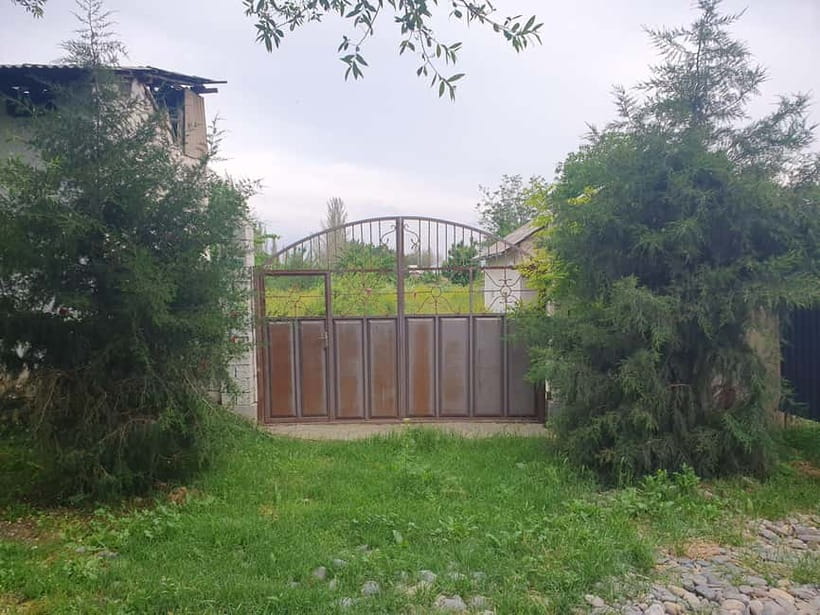
Cook plov, then eat where locals live. This 8-hour day in the Samarkand region mixes a guided village tour with a home visit and a hands-on cooking session built around plov. I love how much of the time is spent talking and eating, not just watching. I also love the practical, step-by-step way the day shows you how everyday rural life works, from bread to ingredients. One thing to consider: you will be walking in a rural setting and spending time outdoors, so bring good shoes and plan for sun.
From Samarkand, you’ll get picked up and taken out to the village, often around 40 to 45 minutes away. The day usually includes time at a bazar to pick up ingredients, snacks and conversation at the host home, cooking plov (often cooked over a fire), sharing the meal together, then a short end-of-day moment with folk music if it’s running. Guides like Asrorbek, Bekjon, Jahovir, and Javokhir show up as warm, English-speaking hosts who connect the food to the culture, so you leave with more than a plate of rice.
In This Review
- Key things that make this tour worth your time
- Entering a Samarkand village from the inside, not the outside
- The 8-hour flow, and where the time really goes
- Getting picked up in Samarkand, then easing into rural rhythm
- The bazar stop: where plov starts before the fire
- Meeting the family: what a home visit really changes
- Cooking plov over live fire: the hands-on part you will remember
- What to do if you want to get the most out of the cooking class
- The meal sharing: eating together is the whole point
- After lunch: walking gardens, seeing farm life, and optional surprises
- A closing folk music moment with traditional instruments
- Price and value: is $59 a fair deal for this kind of day?
- Who should book this tour, and who should think twice
- Before you go: what to bring and the simple rules that matter
- Should you book this Samarkand village plov day?
- FAQ
- How long is the Samarkand village tour with plov cooking?
- Do they pick you up in Samarkand?
- Is the tour guide available in English?
- Will I be cooking, or just watching?
- What is included with the meal?
- Is there live folk music as part of the tour?
- What should I bring with me?
- Is the tour suitable for wheelchair users or limited mobility?
- Is free cancellation available?
Key things that make this tour worth your time
- Hands-on plov, not a demo: you get guided into the cooking process, with traditional techniques and lots of tasting.
- A real home visit with conversation: you sit down with a local family and talk about customs, daily routines, and daily life.
- Market ingredient shopping: you buy the items for plov and you see how people shop and think about food.
- Bread (non) and salads join the meal: plov is the star, but you may also help with non and fresh accompaniments.
- English-speaking guides who manage the vibe well: names that come up include Asrorbek, Bekjon, and Javokhir, and the tone is friendly and easy.
- A slower day with genuine texture: it’s not nonstop sightseeing, and that calm pace is often the point.
Entering a Samarkand village from the inside, not the outside
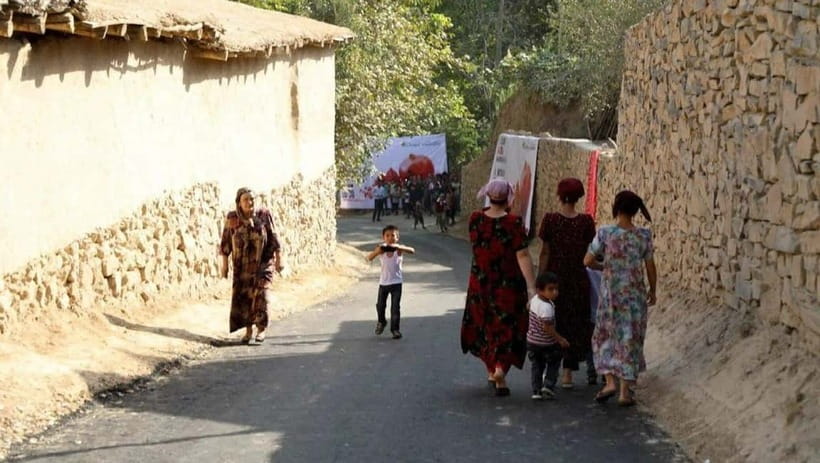
This is the kind of day that flips your trip rhythm. In Samarkand you can spend hours with monuments and mosaics, then feel travel-fatigued. Here, your energy goes into people, food, and routine, which is exactly what makes the day feel memorable.
The structure is simple: arrive, meet the family, cook, eat, talk, then finish with a small cultural performance. The payoff is that you experience rural life as something lived, not staged for photos. Guides and hosts repeatedly emphasize stories and explanations, so you get context for what you’re seeing.
The 8-hour flow, and where the time really goes
Plan for a full day, about 8 hours. The timing can shift by start time availability, but the rhythm stays similar because it depends on shopping, cooking, and eating together.
Expect your schedule to feel like three phases: travel and orientation, cooking and meal, then a village walk and a closing cultural moment. The day also includes breaks and short photo moments, which is helpful if you’re trying to keep your camera and sun comfort under control. Most importantly, the meal sharing is not a rushed stop. It’s the center of the day.
Still hungry? More Samarkand kitchens to sit in
- Samarkand: Village Tour with Plov Cooking Class & Home Visit
★ 5.0 · 29 reviews - Samarkand: Uzbek Cooking Class in a Village Home
★ 5.0 · 22 reviews - cooking traditional food in Samarkand with local people
★ 4.8 · 17 reviews - Private Samarkand Cooking Class with Market Tour & Transfers
★ 5.0 · 14 reviews
Getting picked up in Samarkand, then easing into rural rhythm
Pickup is included from your hotel in Samarkand. On the road, your guide uses the drive time to explain what you’ll see and how life works outside the city, so you don’t arrive already lost in translation.
The drive itself is often around 40 to 45 minutes. That matters because you arrive feeling like you’ve moved into a different world, not just crossed the street. And if you’re a solo traveler, this kind of guided route tends to feel easier because someone is managing the handoffs and expectations.
The bazar stop: where plov starts before the fire
A common highlight is the market stop to buy ingredients for plov. You don’t just show up at the house and magically receive rice and spices. You shop first, and that gives you an instant story: each ingredient has a role.
This is also where the day becomes interactive. Your guide can explain what you’re buying and why it matters, and you can ask practical questions about everyday food and cooking. You may also see market shopping framed as a social activity, not a chore, which is part of the cultural texture.
If you’re hoping for a photo-heavy street scene, keep expectations realistic. Markets here function first as daily life. You’ll get the atmosphere, but you’ll also be buying and learning, which is more useful than just wandering.
Meeting the family: what a home visit really changes
A home visit is the heart of this day. You’re welcomed into a local family’s home, and the experience is built around genuine hospitality and conversation. You’ll sit, snack, chat, and learn customs and daily routines.
In practical terms, this is where you gain the most cultural clarity. You learn how people talk about family life, how routines work, and what food means beyond taste. Guides and hosts like Eshkuvatov are specifically noted for connecting history and village life in a way that feels human, not lectured.
A bonus is that the host families often adjust the day to what’s happening in the community. If a wedding or local gathering is going on, you may be invited to see more of how the community celebrates. That can turn an already good tour into something truly personal.
Cooking plov over live fire: the hands-on part you will remember
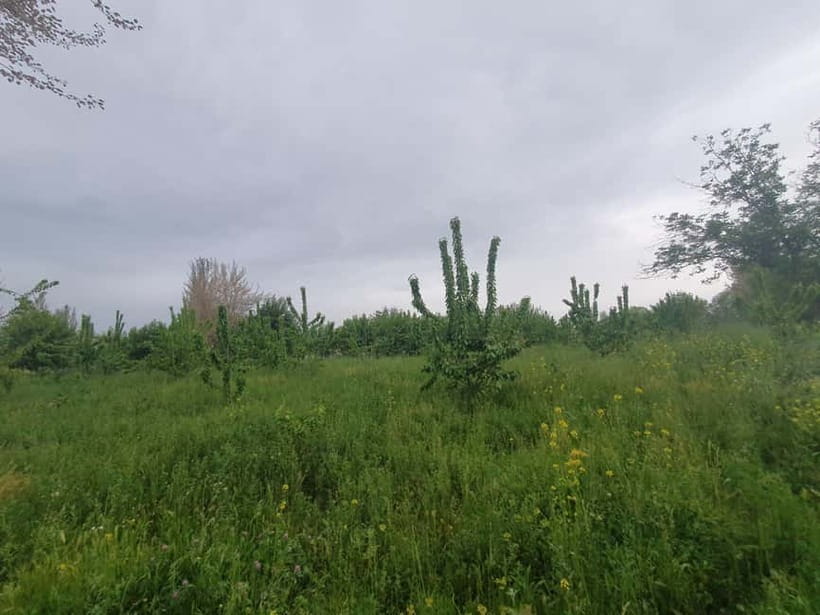
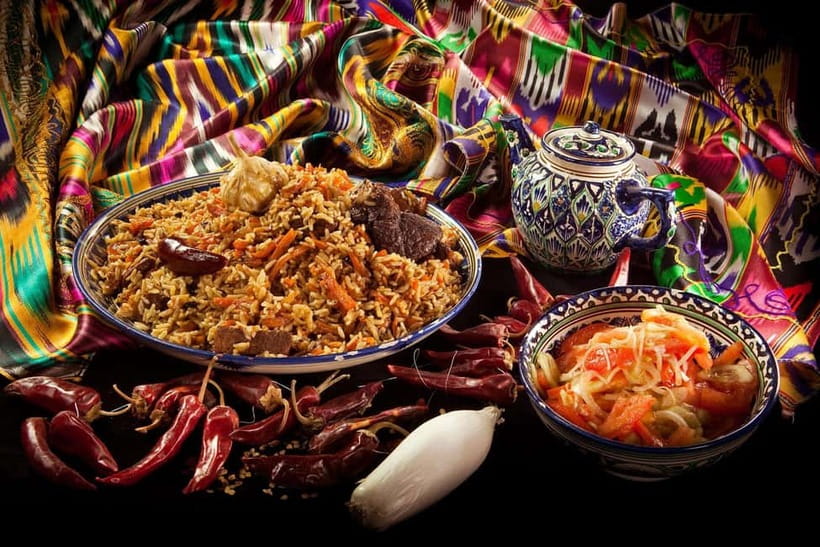
This is not a “watch your guide do it” moment. You’ll participate in preparing plov, with guidance from your hosts. Multiple experiences describe plov being cooked traditionally, often over a fire, and that changes everything. Live heat is fast, flavorful, and unforgiving, so you learn techniques by doing, not by reading.
Plov is the centerpiece, and the teaching goes beyond mixing rice and oil. You may be taught the process behind the taste, and you’ll likely hear about how ingredients and timing matter. Some families also include fresh salad and explain how bread fits into the meal.
Non bread (often called non) shows up as another hands-on skill. Being part of bread making helps you understand how meals work in a place where food is baked and shared as part of daily rhythm. And if you think you’ll be bored waiting, don’t. There’s work to do, hands busy, and questions to ask.

What to do if you want to get the most out of the cooking class
Ask small, practical questions while you cook. Questions like what makes the rice turn out a certain way, or when to adjust salt, help you remember the process. Also, take a moment to watch the host’s hands once, then do it yourself. That is the fastest way to connect technique to outcome.
The meal sharing: eating together is the whole point
After cooking, you share the meal communally, sitting with the family and your guide. This is where the day’s tone becomes relaxed. You eat, you talk, and you get stories back, which helps the experience feel like a cultural exchange instead of a transaction.
The portions are described as generous. That matters because plov is hearty, and you’ll want to eat slowly enough to taste how the different parts work together. If you’re the type who only grabs a quick bite, you’ll miss the best part, the conversation.
And since the meal is tied to what you cooked, you get a kind of ownership. You’re not guessing what you’re eating, because you helped make it.
After lunch: walking gardens, seeing farm life, and optional surprises
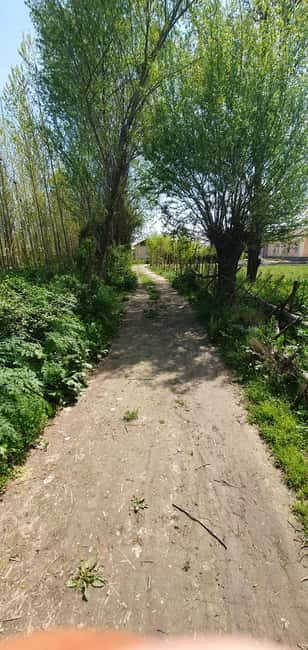
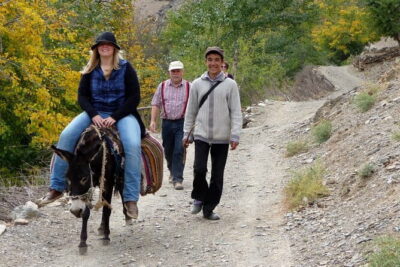
Once the meal ends, the day typically includes walking through the village area and possibly gardens and farmland. You might see how people live in harmony with nature and with their livestock, which helps you connect the earlier explanations to real daily scenes.
Some days can include extra rural touches, like fields and how cotton is planted and harvested, especially if it matches the season. You might also see animals or experience something simple and hands-on like milking a cow, depending on what the family has available.
These extras are not guaranteed, so treat them as bonuses. The core value is the village walk and the explanations from your guide about what you’re seeing.
A closing folk music moment with traditional instruments
At the end, there may be a brief live performance of folk music by local musicians. This is tied to traditional Uzbek instruments, and it’s a nice finish because it shifts the day from practical work back into culture.
Music like this works best when you don’t treat it as background. Give it your attention for a few minutes. Even if you don’t know the melodies, the sound can help you feel the place you just experienced through food and conversation.
Price and value: is $59 a fair deal for this kind of day?
At $59 per person, this day has strong value if you compare it to what you’d pay for a private local guide plus a cooking class plus a full meal.
Here’s what you’re getting that usually costs extra on other trips:
- A full guided village day, not a quick food stop
- A home visit with real hosts and conversation
- A hands-on cooking class centered on plov
- A shared meal that follows the cooking
- Transportation from Samarkand
The pricing also makes sense because the experience is relationship-based. Your hosts are giving their time, their home setting, and their cooking skills. When the guides are well organized and friendly, the day stays smooth, and that shows up in the consistently strong ratings.
If you want only monument time, this might feel like a detour. But if you want a human slice of Uzbekistan, this is priced like a straightforward cultural day, not a luxury event.
Who should book this tour, and who should think twice
This tour fits you if you want a break from fast sightseeing and you like hands-on travel. It’s also a great choice if you’re interested in everyday culture, food traditions, and meeting locals in a setting that feels safe and welcoming.
It can also work for a wide range of ages and travel styles, because you’re not required to sprint between stops. The “slower paced” nature is part of why people feel it’s worth it after a busy stretch.
Think twice if you need step-free, fully accessible movement. The information includes a note about wheelchair accessibility, but it also lists not suitable for wheelchair users and people with mobility impairments. Since the day includes rural walking and time outdoors, plan for uneven surfaces and some walking demands.
Before you go: what to bring and the simple rules that matter
Bring comfortable shoes. You’ll likely walk on village paths and around the home area. Also bring sun protection, like a sun hat and sunscreen, because you’ll be outdoors.
A camera helps, but use it respectfully during home and cooking moments. Water is provided, and you can bring your own too, especially if you run warm in the sun. The day also lists restrictions: no smoking indoors, and no alcohol or drugs.
If you’re sensitive to strong smells from cooking fires, remember plov is cooked with heat and spices. The smell is part of the charm, but you may want to dress accordingly.
Should you book this Samarkand village plov day?
If you’re the kind of traveler who remembers meals and conversations more than ticket lines, I think you’ll love this. You get a real home visit, a hands-on cooking class focused on plov and likely non bread, and time for explanations that make the day feel grounded in daily life.
Book it if you want value, warmth, and a calmer day outside the city. Skip it if you only want major sights, because this experience is about people and food, not a nonstop checklist of landmarks.
If you do book, go in with one mindset: ask questions while you cook. That one habit turns a great cultural day into a memorable one.
FAQ
How long is the Samarkand village tour with plov cooking?
It lasts 8 hours.
Do they pick you up in Samarkand?
Yes, pickup from your hotel in Samarkand is included. If the group is large, you may be directed to a meeting point.
Is the tour guide available in English?
Yes, the live tour guide speaks English.
Will I be cooking, or just watching?
You’ll participate in the cooking session, including hands-on plov preparation. The day may also include helping with bread (non) and salads.
What is included with the meal?
You share a traditional meal together, and the food centers on the plov you cook, with other staples such as non bread and salads.
Is there live folk music as part of the tour?
Yes, there can be a brief live performance of folk music by local musicians. It is listed as optional.
What should I bring with me?
Bring comfortable shoes, a sun hat, sunscreen, and a camera. Water is provided, and you can also bring your own.
Is the tour suitable for wheelchair users or limited mobility?
The information is mixed. It says wheelchair accessible, but it also lists not suitable for wheelchair users and people with mobility impairments. Plan for walking and outdoor time.
Is free cancellation available?
Yes, you can cancel up to 24 hours in advance for a full refund.
The Full Uzbekistan Review Pile
Out Past The Cities
More Samarkand Kitchen Tables
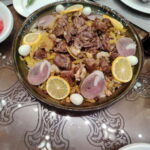
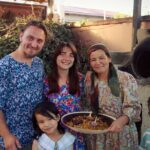
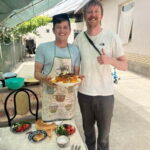
More of Uzbekistan we have reviewed
- Penjikent Day Trip From Samarkand★ 5.0 · 3 reviews
- Samarkand: Cooking class with local family★ 5.0 · 3 reviews
- Samarkand: city tour★ 4.7 · 3 reviews
- Bird Watching Tours in Samarkand★ 3.6 · 3 reviews
- Samarkand City Tour from Silk Paper Factory to Registan Square★ 5.0 · 4 reviews
- Shakhrisabz Private Day Tour from Samarkand★ 5.0 · 4 reviews
Uzbek Countryside & Village Day Trips, compared.
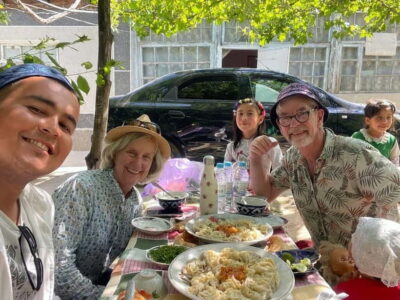 ★ 5.0Samarkand: Uzbek Cooking Class in a Village HomeFrom $5222 reviews
 ★ 5.0Beyond the Walls: Countryside Tour with Transport and LunchFrom $8913 reviews
 ★ 5.0Hiking tour to Hayat, Uhum and Asraf villages – 4 daysFrom $38012 reviews
 ★ 4.7Explore Bukhara Countryside with Local Lunch ExperienceFrom $956 reviews
 ★ 5.0Bukhara Countryside Private Tour with TransportFrom $996 reviews
 ★ 5.0Bukhara: Combined City and Countryside Tour. Walking and Car5 reviews
 ★ 5.02 Day Ukhum Hiking Tour from BukharaFrom $2284 reviews
Browse the lists this tour appears in