
Review · UZBEK COUNTRYSIDE
Samarkand: Uzbek Cooking Class in a Village Home
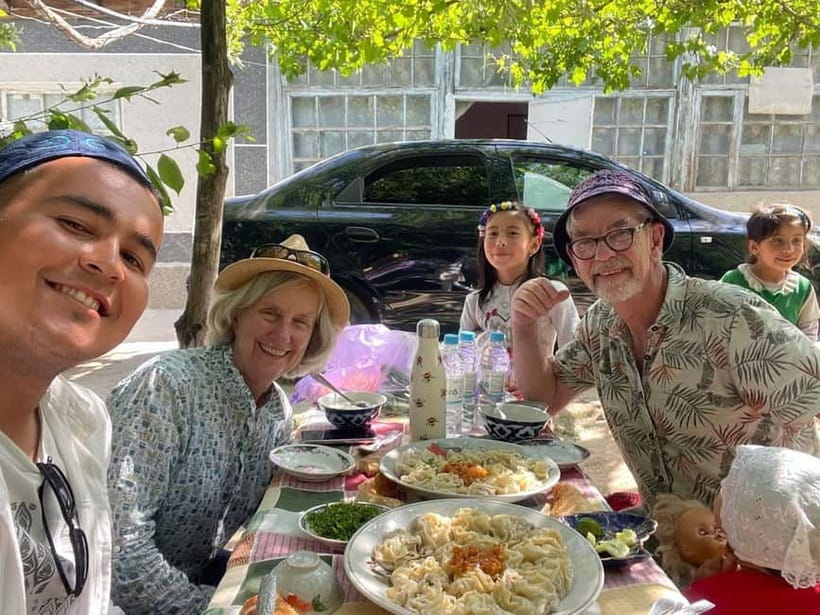
Cooking Plov in a real village home feels different. I love that you learn from a local family, not a demo kitchen, and that the meal includes both Plov cooked over open fire and mantu shaped by hand. One thing to consider first, this experience involves meat and you’ll be standing and moving around as you cook and explore the garden.
The setting is the best ingredient. You get picked up in Samarkand, taken about an hour out into the countryside, meet the animals, and spend time in the yard before the food even starts. If you want a fast, minimalist tour, this is more hands-on and slower paced.
Language-wise, you’re in English with a live guide named Bekjon, and the flow is designed to feel friendly and welcoming. Just know you should bring basic sun protection and comfy clothes, because you’ll be outside for portions of the day.
In This Review
- Key points to know before you go
- Why this cooking class feels more like a village afternoon than a show
- The 5.5-hour plan: how the day is paced and what you actually do
- 1) Pickup in Samarkand, then a countryside ride
- 2) Arrive at the village home, meet the family, then meet the animals
- 3) Village garden time, then green tea under the grapevine
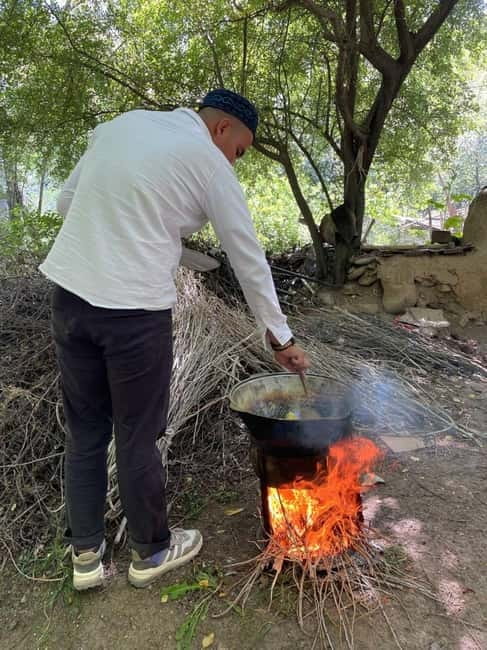
- 4) Learn Plov over an open fire in a qozon
- 5) Switch to mantu, then shape and steam your own dumplings
- Plov, mantu, and the small technique lessons you can use at home
- What you gain from the village tour beyond the food
- Price and value: is $52 per person fair for what you get?
- Who should book this, and who should skip it
- Best fit if you want
- Likely not a fit if you
- Practical tips so you enjoy the day more
- Should you book the Samarkand village Plov and mantu class?
Key points to know before you go
- Open-fire Plov in a qozon: you learn the layering and cook it the traditional way
- Handmade mantu: roll dough, shape dumplings, then steam them in a mantuvarka
- Village home time: garden walks, fruit trees, and feeding animals like cows, sheep, chickens, and donkeys
- Tea under a grapevine: a simple pause that turns the meal into an actual village afternoon
- English guide Bekjon: he coordinates pickup, explains what you’re doing, and supports you throughout
- Meat-based cooking: not a good fit if you need vegetarian, vegan, or allergy-friendly food
Why this cooking class feels more like a village afternoon than a show
This isn’t a cooking class where you hover at the edge while someone else works. You’ll be preparing ingredients, cooking on the wood-fired setup, and shaping mantu yourself. The day keeps circling back to the same idea: Uzbek food is tied to daily life, not just recipes.
I also like how the experience builds in “real time” moments. Before you eat, you get a guided village visit, time in the garden, and tea under the grapevine. That rhythm matters. It makes the meal taste more grounded because you’ve already seen where the ingredients come from and how the home runs.
The one potential mismatch is dietary. This is built around meat dishes, and the class notes it may not work for vegetarians or vegans and may be challenging for people with food allergies or animal allergies. If that’s you, it’s worth looking closely before booking.
The 5.5-hour plan: how the day is paced and what you actually do
You’re out for about 5.5 hours total, including pickup and return transport between Samarkand and the village about an hour away. Cooking time is listed as 3.67 hours, so you’re not just riding around and watching.
Still hungry? More Samarkand kitchens to sit in
- Samarkand: Village Tour with Plov Cooking Class & Home Visit
★ 5.0 · 29 reviews - Samarkand: Uzbek Cooking Class in a Village Home
★ 5.0 · 22 reviews - cooking traditional food in Samarkand with local people
★ 4.8 · 17 reviews - Private Samarkand Cooking Class with Market Tour & Transfers
★ 5.0 · 14 reviews
1) Pickup in Samarkand, then a countryside ride
You’ll be picked up from your hotel, train station, or airport area, depending on what you arrange with the operator. This matters because it keeps you from having to figure out the tricky part of getting out of the city on your own.
On the way, you’ll get a sense of how everyday life changes once you leave Samarkand. Some bookings also describe extra cultural stops with Bekjon, like visiting a local market to pick up food ingredients. Even if you skip those extras in your own day, the countryside transfer is part of what makes this feel like an escape.
2) Arrive at the village home, meet the family, then meet the animals
Once you arrive, you’ll be welcomed into a clay-brick traditional home. You’ll meet the host family, and you’ll also meet the animals that are part of village routines: cows, sheep, chickens, and even donkeys.
This is where the day stops feeling like a product and starts feeling like a visit. Watching how the family approaches chores and feeding gives you context you won’t get from a cookbook. It also sets expectations for the rest of the afternoon: you’ll be working at a pace that matches a home kitchen, not a tight restaurant schedule.
If animals are a concern for you, check the note about animal allergies. The experience is built around seeing and interacting in a farm setting.
3) Village garden time, then green tea under the grapevine
Before cooking, there’s time to walk the garden and relax with tea. The tour description specifically calls out fruit trees and vegetable patches, plus tea under a grapevine.
I like this part because it resets your energy before you start hands-on work. It’s also when you’ll get a chance to ask questions while the day is unhurried, which helps you get more meaning out of what you cook later.
Bring sunscreen. Even in milder seasons, you’ll likely spend time outdoors.
4) Learn Plov over an open fire in a qozon
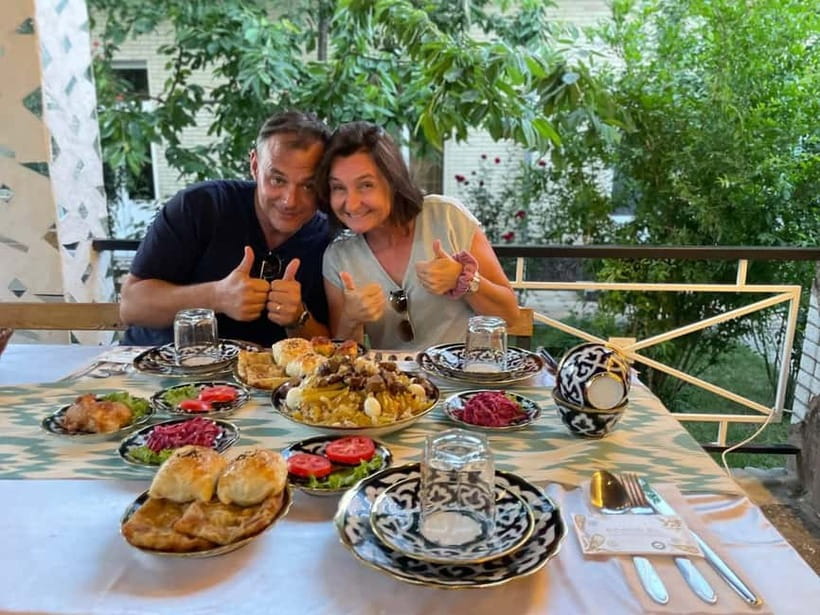
Plov is Uzbekistan’s signature dish, and here you learn it the traditional way. You’ll cook it in a qozon, a large cast-iron pot, using wood-fired heat and a mix of ingredients like rice, carrots, onions, and lamb or beef, plus a special spice blend.
What makes this lesson valuable is the method. The class isn’t just “add ingredient A, then B.” You’re guided through selecting and prepping fresh ingredients and learning the layering approach that builds flavor. Then you stir and taste as it simmers, so you’re not only performing steps, you’re understanding why the timing and texture matter.
Some of the most enthusiastic notes about this experience mention Bekjon and his mother working together, with the outdoor stove setup and live guidance. That family aspect is the real difference. You’ll see how experienced cooks think, not just what to do.
One practical note: the Plov portion can be large. In at least one booking, someone shared a plate with the host family and still felt the portion was generous. So if you’re a light eater, plan for it.

5) Switch to mantu, then shape and steam your own dumplings
After Plov, you make mantu, delicate steamed dumplings filled with minced meat and onions. The process includes rolling out thin handmade dough, shaping the dumplings using traditional technique, and then steaming them in a mantuvarka (a multi-layered steamer pot).
The mantu part is special because it’s tactile. You’ll actually work the dough and form the dumplings, which takes patience but also makes the result feel earned. The class description notes that making mantu is often shared among women in village homes, especially during family gatherings and holidays, and you’ll feel that same sense of community while you work.
If you’re traveling with someone who needs an alternative, the data says vegetarian guests may be offered options like pumpkin or potato-filled mantu. Still, the activity overall notes it’s not suitable for vegetarians, so I’d treat alternatives as limited and ask ahead for your specific needs.
Plov, mantu, and the small technique lessons you can use at home
You might think you’re just learning two recipes. You’re actually learning a set of practical technique cues that make Uzbek cooking work.
For Plov, the big lesson is layering. Getting onions and carrots cooked properly, coordinating spice and rice, and using the open-fire rhythm means the pot heat drives flavor in a way that’s hard to imitate in a home kitchen without adjustments. You can still use the ideas at home even if your setup is different.
For mantu, the lesson is structure. Thin dough, even filling, and consistent sealing all matter for the final texture when the dumplings steam. The mantuvarka method keeps heat and moisture even, so you learn how steam cooking behaves compared to boiling. Even if you never buy a mantuvarka, the shaping and fill ratio will make you think differently next time you try dumplings.
And for both dishes, the taste part matters. You’ll stir, taste, and adjust with guidance. That turns the class into a skill you can repeat instead of a one-time meal.
What you gain from the village tour beyond the food
The included guided village tour isn’t just a walk with a story. It ties directly into how cooking happens in this setting. Seeing gardens and farm life makes ingredients feel less like supermarket items and more like part of a living system.
You’ll likely notice details like seasonal produce from the garden and the daily presence of animals. That’s not “entertainment.” It’s practical context for why certain choices in cuisine exist, and why families treat food as community labor.
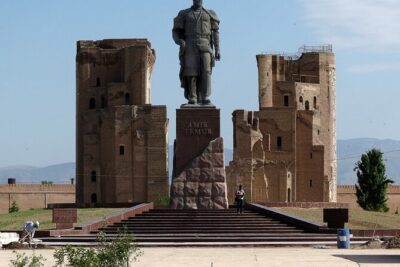
Some bookings also mention that Bekjon shares local cultural history, including references to Amir Temur, plus other local crafts like paper making. That’s not listed as a guaranteed stop, but it aligns with the “guided” part of the day. So expect conversations, not just instructions.
Price and value: is $52 per person fair for what you get?
At $52 per person, you’re paying for more than recipes. You’re buying a half-day experience that includes transport (hotel-village-hotel), a local village tour, ingredients, tea, and a hands-on cook-through for both Plov and mantu.
Is it cheap? No. But it’s also not a mass-market experience. The value comes from three parts:
- You cook twice, Plov and mantu, with real guidance
- You’re in a family home, with a real farm setting and tea under a grapevine
- You get the transport solved, plus English support from Bekjon
If you want the cheapest way to “try Uzbek food,” this won’t be it. But if you want a skill you can talk about for years, plus a day that feels human and specific, the price is easier to justify.
Who should book this, and who should skip it
Best fit if you want
- Hands-on cooking, not just watching
- Authentic Uzbek meals made in a home setting
- Countryside time near Samarkand, about an hour out
- A relaxed pace with tea, garden time, and animal encounters
Likely not a fit if you
- Need vegetarian or vegan meals and rely on guaranteed meat-free cooking
- Have animal allergies, since the experience includes farm animals
- Have food allergies or need strict dietary control, because dishes involve meat and shared prep environments
- Have back problems or recent surgeries, due to outdoor walking and standing during cooking
- Have diabetes, since food and meal timing are part of a shared cook-and-eat program
Age notes also say it’s not for babies under 1 year and not for people over 95. If you’re in a mobility-limited group, it’s smart to ask how the day is staged at the home.
Practical tips so you enjoy the day more
- Wear comfortable clothes you can move in, because you’ll cook and spend time outside.
- Bring sunscreen and a camera, the day includes garden time and farm scenes.
- Expect meat-based food, so ask for alternatives only if you truly need them.
- Use the fact that Bekjon speaks English to ask quick questions while cooking, you’ll get more from the experience.
One small thing I’d plan mentally: you’re doing dumpling shaping after Plov. That’s not hard, but it takes focus, so don’t schedule anything intense right after you return to Samarkand.
Should you book the Samarkand village Plov and mantu class?
If you like cooking and you want an actual cultural day outside the city, I think this is a strong yes. The best part is the combination of open-fire Plov, hand-shaped mantu, and real village life with a family, garden time, farm animals, and tea under the grapevine.
Skip it if your needs are dietary or medical and you need strict avoidance of meat, or if animal interactions would be a problem. Also skip it if you don’t want to be active outdoors for parts of the afternoon.
If you fit the “curious, hands-on, open to meat and farm life” profile, book it. You’ll come away with a meal that tastes like a place, plus a couple of techniques you can actually try again.
The Full Uzbekistan Review Pile
Out Past The Cities
More Samarkand Kitchen Tables
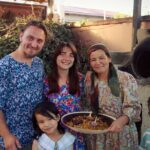
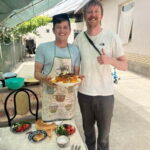
More of Uzbekistan we have reviewed
- Penjikent Day Trip From Samarkand★ 5.0 · 3 reviews
- Samarkand: Cooking class with local family★ 5.0 · 3 reviews
- Samarkand: city tour★ 4.7 · 3 reviews
- Bird Watching Tours in Samarkand★ 3.6 · 3 reviews
- Samarkand City Tour from Silk Paper Factory to Registan Square★ 5.0 · 4 reviews
- Shakhrisabz Private Day Tour from Samarkand★ 5.0 · 4 reviews
Uzbek Countryside & Village Day Trips, compared.
 ★ 5.0Samarkand: Village Tour with Plov Cooking Class & Home VisitFrom $5929 reviews
 ★ 5.0Beyond the Walls: Countryside Tour with Transport and LunchFrom $8913 reviews
 ★ 5.0Hiking tour to Hayat, Uhum and Asraf villages – 4 daysFrom $38012 reviews
 ★ 5.0Bukhara Countryside Private Tour with TransportFrom $996 reviews
 ★ 4.7Explore Bukhara Countryside with Local Lunch ExperienceFrom $956 reviews
 ★ 5.0Bukhara: Combined City and Countryside Tour. Walking and Car5 reviews
 ★ 5.02 Day Ukhum Hiking Tour from BukharaFrom $2284 reviews
Browse the lists this tour appears in