
Review · COOKING CLASSES
Traditional Khiva Cooking Class with Market Visit & Lunch
Cooking in a Khiva home beats restaurants.
This Traditional Khiva Cooking Class pairs a hands-on market visit with Uzbek home cooking in a local house. You’ll shop for ingredients with English host Sarvar Bobojonov, then cook Plov or Shivit Oshi with a host family, finishing with tea and seasonal fruit.
I love two things most. I love the market stop, where you learn what locals look for and how they shop for prices. I also love the family kitchen time, because Sarvar and his family teach the steps like they teach relatives, especially when Sarvar’s mother guides the plov.
One thing to consider is the dress code and filming rules, like no shorts or sleeveless shirts, and no audio recording.
In This Review
- Key highlights you’ll actually use
- What makes this Khiva cooking class feel genuinely local
- From pickup points to a shared plan in the car
- The market visit: where you learn the shopping logic
- Cook in a family kitchen: plov or shivit oshi
- The meal and tea: lunch the Uzbek way
- What you get to take home (and why it matters)
- Price and value: $150 per group, up to 3 people
- Who this is best for
- Practical tips so the day goes smoothly
- Dress and behavior rules
- Expect an active cooking day
- Use the time for questions
- Should you book this Khiva cooking class?
Key highlights you’ll actually use
- Market know-how, not just sightseeing: You’ll learn how to choose ingredients and handle shopping talk on the spot.
- Plov or Shivit Oshi, cooked hands-on: You’re not watching. You’re doing the work.
- English guidance with family-style teaching: Sarvar Bobojonov explains as you cook, with family members taking part.
- Lunch at a real home table: Expect Uzbek tea with your meal, plus seasonal fruits for dessert.
- Recipes to take home: You’ll leave with a way to recreate the flavors after you’re back at your hotel.
What makes this Khiva cooking class feel genuinely local
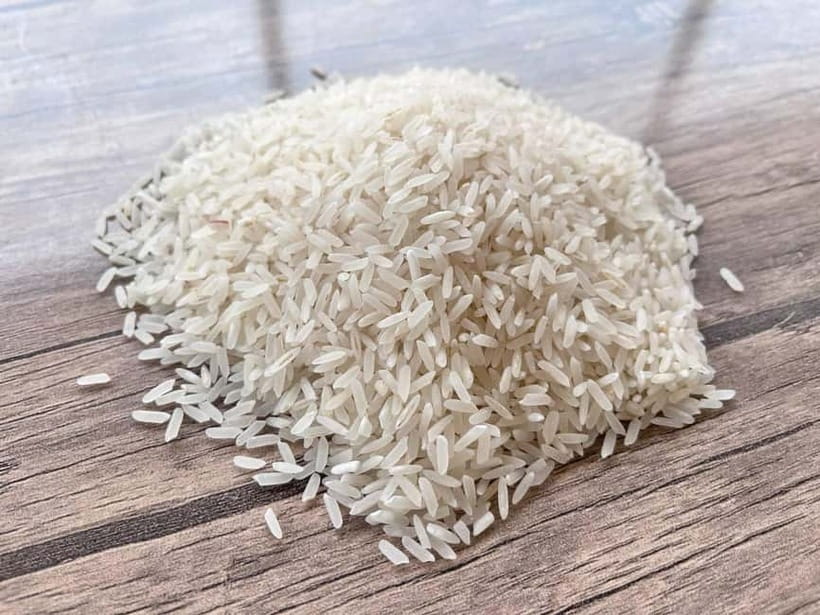
This is a Khiva cooking class built around one idea: you cook with a real family, in a real home setting. No stage. No restaurant churn. Just a tight schedule, guided shopping, and real kitchen work.
The experience is built for small groups too, with a private group format that keeps the day personal. When you can ask questions and adjust what you’re doing in the moment, you learn faster and you enjoy it more.
You’ll also get the best kind of souvenir, recipes you can repeat at home. And yes, the meal is the point, not the backdrop.
From pickup points to a shared plan in the car
Your day starts with hotel pickup in a white sedan, 156NAA. The meeting options include Polvon darvoza, Stone Gate (Itchan Kala South Gate), Khiva, Bakcha Darvoza, and Itchan Kala west gate. That flexibility matters in Khiva, because hotels are scattered around different entrances and areas.
You’ll ride with your English instructor, Sarvar Bobojonov, and you’ll start the flow right away. The schedule is tight but not rushed, because the timing is designed around a market visit and then a full cooking block.
Since you’re in a group capped at up to 3, you’ll feel the difference compared with larger tours. You can ask practical questions without waiting for the group to catch up.
Still weighing it up? Here are other Uzbekistan tours we have written up.
- Transfer: Bukhara – Khiva via Ancient Fortresses
★ 4.5 · 101 reviews - Daytrip From Khiva To Ancient Fortresses
★ 4.6 · 60 reviews - Aral Sea Adventures (2 day)
★ 5.0 · 30 reviews - Guided Tour To Old Fortresses
★ 5.0 · 25 reviews
The market visit: where you learn the shopping logic
The market stop is more than a photo break. You’ll be guided through how locals shop, including how they choose ingredients and how they handle price talk. In other words, you’re learning the thinking behind the food, not just collecting items.
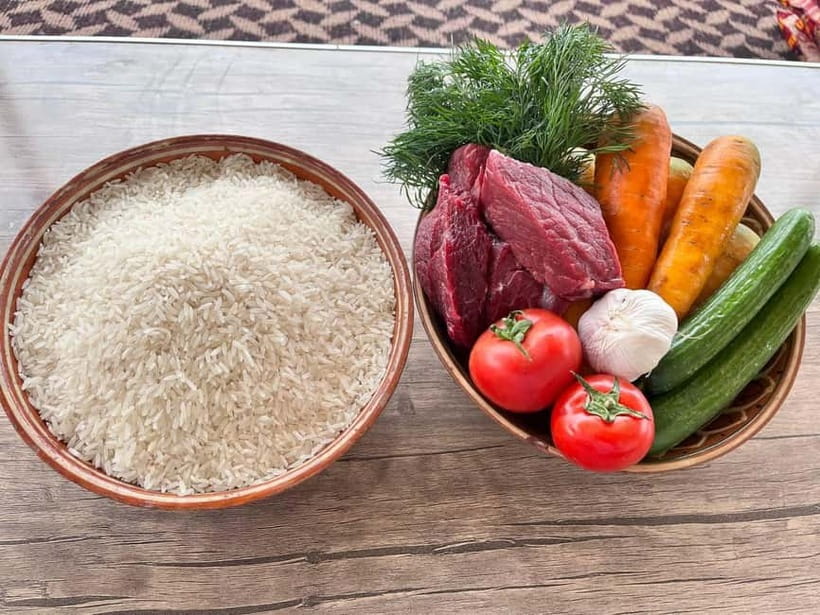
Here’s what makes this part valuable for you: cooking classes fail when people go home with ingredients they do not understand. If you learn what to look for and why, your plov and shivit oshi will taste more like the real thing.
From the experience, you should expect the guide to steer you toward ingredients that matter for flavor and texture. You’ll also see seasonal produce and get a feel for what the household is likely to buy at that time of year.
A bonus from the family side: one group noted that the home includes a garden, where fruit can be in bloom. Even if you are focused on cooking, it adds a real, lived-in feel.
Cook in a family kitchen: plov or shivit oshi
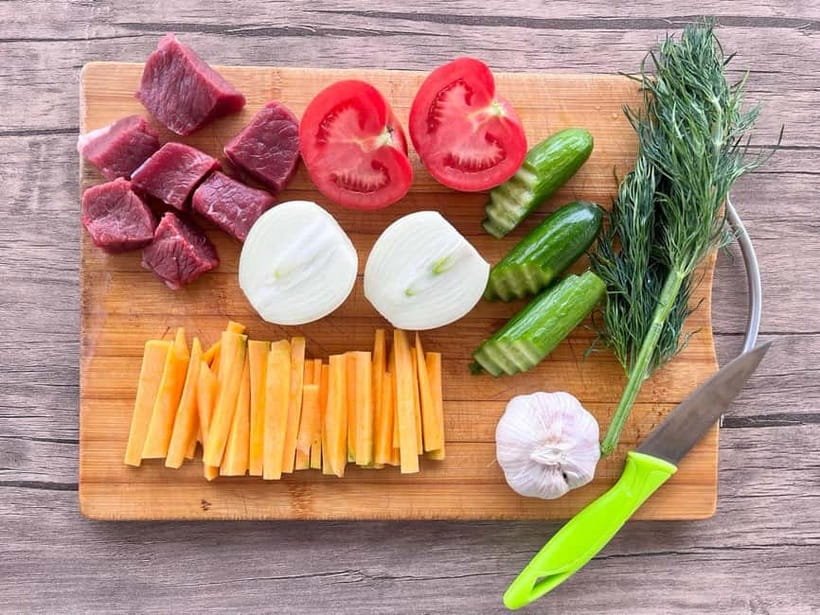
After shopping, you head to the home where the cooking happens. The total class time is 2 hours for the cooking portion, with the rest of the time filled by pickup, the market, and the meal.
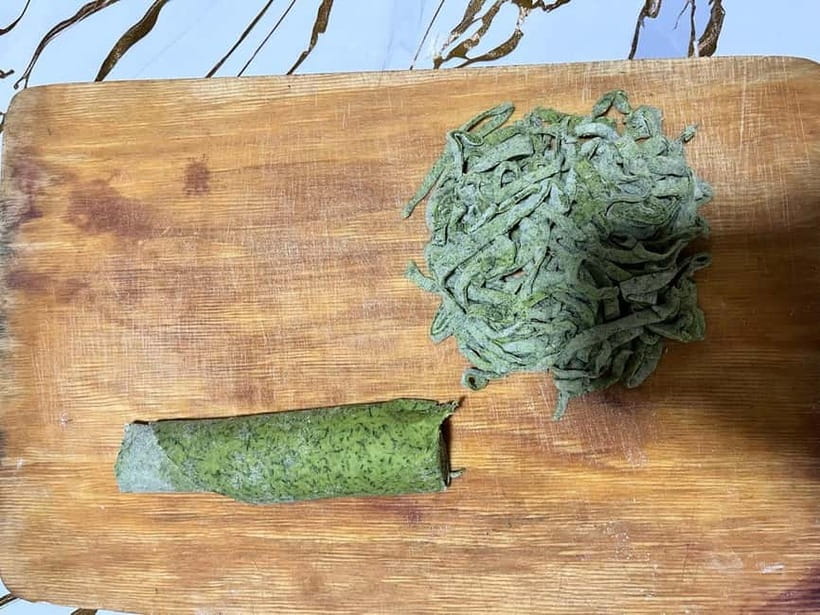
You’ll cook either Plov or Shivit Oshi. If you love Uzbek food, this choice is huge. Plov is the classic Uzbek rice pilaf that people treat like a centerpiece dish. Shivit oshi is a Khorezm-style specialty with green flavors that stand apart from plov’s comfort-food profile.
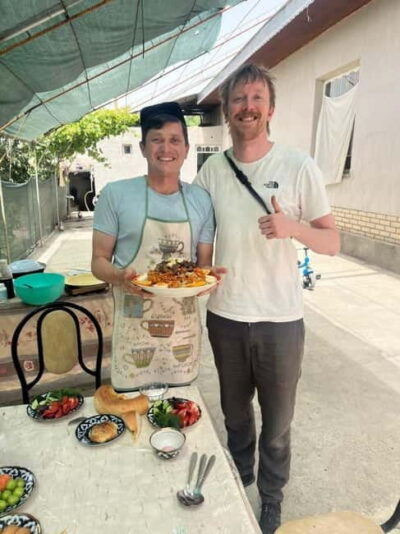
The teaching style is hands-on. Your host family shares methods passed down through generations. That sounds like marketing until you’re at the stove, where small steps actually make a difference, like how you prep ingredients and the order you work in.
From reviews, Sarvar’s mother is a key teacher for plov, and the results are often described as the best plov of the trip. One important detail for you: the class doesn’t feel like a demo. It feels like you’re helping make lunch, then you’re eating what you helped make.
You might also notice the family adds extra touches, like house-made pickles or fruit after the meal. Those items are not the main lesson, but they are a real part of the hospitality.
The meal and tea: lunch the Uzbek way
Once the cooking is done, you sit down in a true Uzbek house setting. Your meal includes traditional Uzbek tea during or alongside eating, which helps you slow down and enjoy the food instead of treating it like a quick checklist.
After lunch, you’ll have seasonal fruits for dessert. Reviews mention melons and watermelons served after the meal, sweet and very fresh. This is one of those details that makes the day feel complete, because you get a full arc from market inputs to final flavors.
The food experience is not just about taste. It’s about pacing. In a home, lunch has an emotional rhythm. Tea arrives. You eat together. Conversation happens between bites.
If you like food talk, history talk, and everyday culture talk, this is the format that works best.
What you get to take home (and why it matters)
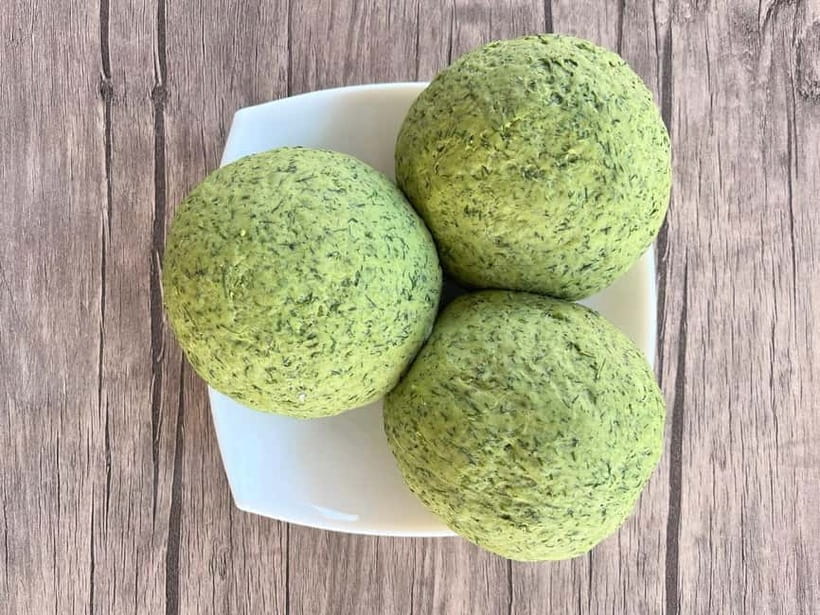
At the end, you’ll receive recipes to take home. For me, this is what turns a fun afternoon into something you can reuse.
Most cooking classes teach you a handful of steps, but then you forget them because you do not have a clear written guide. Here, you leave with a recipe framework you can follow later, which makes it easier to recreate Khiva flavors when you get back.
Also, the ingredient mindset you pick up at the market helps you avoid the common home-cooking trap of using substitutes that change the dish. Even if ingredients differ where you live, knowing what matters most helps you choose replacements intelligently.





Price and value: $150 per group, up to 3 people
The price is $150 per group, up to 3 people, and the total experience runs about 2.5 hours.
On paper, that might look “expensive” if you compare it to a big group tour. But in practice, this price covers the parts that cost real money in a private setting:
- Hotel pickup and drop-off
- A guided market visit
- All fresh ingredients
- Hands-on cooking time in a home
- Tea and seasonal fruit
- English instruction
- Recipe handouts
If you go as a duo, you split the cost and end up getting a very personal, home-based experience at a per-person rate that is often better than paying for separate activities (market guidance plus a private class plus lunch).
If you go with three friends or family members, it becomes a very solid deal, since you’re basically paying for a small private day with a host family.
Who this is best for
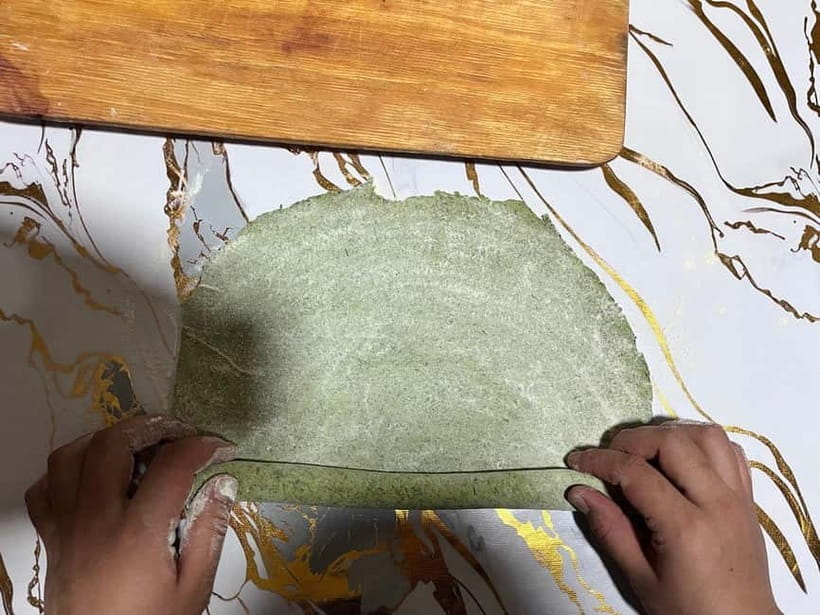
This works best if you want more than food photos.
You’ll enjoy it most if you:
- Like cooking with clear guidance and you want to learn the logic behind the dishes
- Prefer a private group experience over large group tours
- Want to see what a local home looks and feels like
- Are okay with a modest home setting and a simple schedule
It may not be ideal if you want a strict restaurant vibe, or if you are hoping for a session that feels purely sightseeing.
And because of the rules, it’s also a better fit if you can dress appropriately and follow the no recording policy.
Practical tips so the day goes smoothly
A few small things will make your life easier.
Dress and behavior rules
This experience has specific rules: no shorts, no sleeveless shirts, no smoking, no audio recording, and no backpacks. Baby strollers, baby carriages, alcohol, and drugs are also not allowed.
So plan your outfit like you’re visiting someone’s home. Loose, modest layers are your friend. Keep your hands free so you can cook comfortably.
Expect an active cooking day
You’ll do the prep and cooking. Even if you are not a kitchen person, you’ll likely be surprised by how quickly you figure out what to do once someone shows you.
Use the time for questions
Sarvar Bobojonov speaks English, and the experience often includes conversation about food, history, and local culture while you cook. If you’re curious, ask. The point is not just to finish a dish. The point is to understand it.
Should you book this Khiva cooking class?
If you want a Khiva market-to-home experience with real instruction and a real lunch, I think this is an easy yes. The private group format, the market shopping logic, and the family-centered teaching are the standout combination.
Book it if you care about authentic Uzbek flavors and you want the ability to recreate them later with the recipe handouts. It’s also a great choice for couples and small friend groups, because you’ll get more personal attention.
Skip it or look for a different option if the dress and recording rules are a deal-breaker for you, or if you strongly prefer large-group pacing and no-home-visit settings.
If you’re in Khiva for just a short time and you want one experience that feels like it belongs to the city, this one usually earns a spot near the top of the list.
The Full Uzbekistan Review Pile




More of Uzbekistan we have reviewed
- Best of Khiva: Exclusive Private Tour!★ 5.0 · 3 reviews
- Traditional Khiva Cooking Class with Market Visit & Lunch★ 5.0 · 4 reviews
- Ayaz Kala & Toprak Kala private fortress daytrip from Khiva★ 3.5 · 6 reviews
- Private Daytrip to Muynak and Nukus★ 5.0 · 10 reviews
- Best of Khiva: Exclusive Private Tour!★ 5.0 · 9 reviews
- Private Transfer & Photo‑Stops: Ayaz‑Kala & Toprak‑Kala”★ 4.6 · 6 reviews
Cooking Classes, compared.
 ★ 5.0Samarkand: Village Tour with Plov Cooking Class & Home VisitFrom $5929 reviews
 ★ 5.0Samarkand: Uzbek Cooking Class in a Village HomeFrom $5222 reviews
 ★ 5.0Cooking class in Samarkand with local life experienceFrom $6319 reviews
 ★ 4.8cooking traditional food in Samarkand with local peopleFrom $6217 reviews
 ★ 5.0Private Samarkand Cooking Class with Market Tour & TransfersFrom $7214 reviews
 ★ 4.3Plov and Samsa Cooking Class in TashkentFrom $1606 reviews
 ★ 5.0Samarkand: Cooking class with local familyFrom $653 reviews
Browse the lists this tour appears in