
Review · TASHKENT
Plov and Samsa Cooking Class in Tashkent
Dinner starts before you taste it. This Tashkent home cooking experience is focused, friendly, and very hands-on, with a full Plov lesson built around the real method people use at home. In three hours, you do the prep, you cook, and you share the table.
I especially like two things. First, you’re not stuck watching, you’re cutting onions and carrots and prepping the rice and meat so your plov is truly yours. Second, the Samsa session is a smart break in the middle, where you roll, portion, chill, stuff, and bake those crisp triangles while the palov takes its turn.
One possible drawback: English support can be uneven, because the hostess has basic English and the instruction is Russian and English. If you rely on very detailed English explanations, come with a few food questions ready, and expect some pointing and food talk.
In This Review
- Key things to know before you cook
- Plov and Samsa in a Tashkent Home Kitchen
- The First Hands-On Block: Cutting, Prepping, and Frying
- The Steam Pause That Turns into Samsa Time
- Back to Palov: Fry, Cook, Steam, and Balance
- Hospitality Details: Tea, Snacks, and a Real Family Table
- Price and Value for a 3-Hour Private Class
- Who Should Book This Plov and Samsa Class
- Should You Book Plov and Samsa in Tashkent?
- FAQ
- How much does the Plov and Samsa cooking class cost?
- How long is the class?
- What dishes will I learn to cook?
- Is this class hands-on, or do I watch?
- Is there a vegan option?
- What languages are used during the class?
- Is pickup or drop-off included?
- Is the activity wheelchair accessible?
Key things to know before you cook
- Private group size up to 2 keeps the focus on your hands, not a crowd.
- You cut onions, carrots, and prep meat (and you can have a meatless option for vegans).
- A built-in timing rhythm: after steam starts for palov, you shift to samsa prep.
- Samsa dough gets ghee and tight rolling, then chilled, rolled thin, stuffed, and baked.
- Palov flavor includes cumin and raisins, not just the usual meat and rice.
- You eat together and you may get food to take away, depending on how the host family finishes up.
Plov and Samsa in a Tashkent Home Kitchen
This is not a restaurant show. It’s a home-kitchen class in Tashkent Province where the goal is practical: learn the technique, then eat what you made. The setup is designed for a small group, up to two people, so you get real feedback while you chop, fry, and steam.
You’ll spend your time on Uzbek staples that most visitors have heard of, but few truly learn to cook. The class is built around palov, Uzbekistan’s iconic rice dish, and it treats samsa as the companion dish that makes the session feel fun instead of one long cooking grind. Expect a mix of cutting, seasoning, and active cooking steps where your hands matter.
Also, you’re working alongside a professional team. They guide the process, step in when needed, and keep the kitchen moving so you can actually finish and enjoy the meal, not just spend hours on prep.
The First Hands-On Block: Cutting, Prepping, and Frying
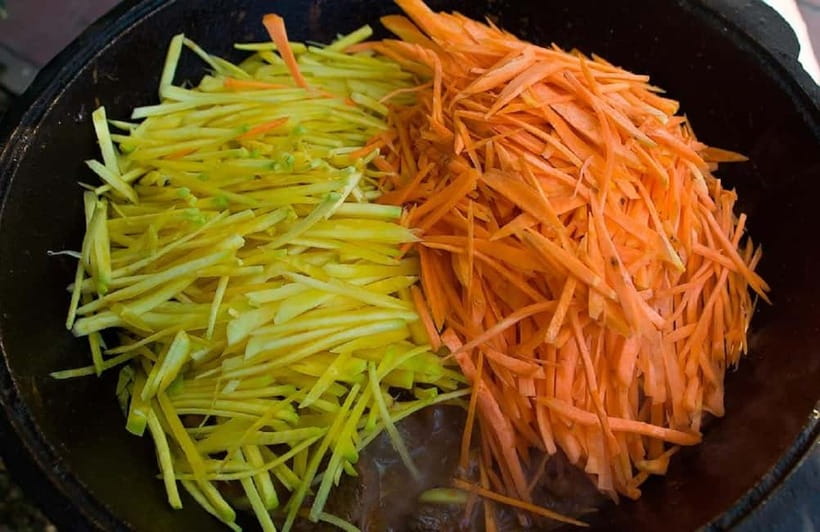
The class starts with the fundamentals of palov prep. You clean the rice, which is one of those steps that sounds simple until you do it and realize how much the texture depends on it. Then you move to your station for the basics: onions and carrots, and meat if you’re not doing the meatless version.
You’ll be taught the practical way to prep the ingredients so they cook evenly. Onions usually become the aromatic base. Carrots become sweetness and body. Meat adds savory depth. This part matters because palov is not forgiving. If your pieces are wildly different sizes, your rice can end up uneven.
You also learn the “secrets” aspect, but in a grounded way. It’s less about mystic rules and more about method: how to get the oil hot enough, how to time the cooking steps, and how the seasoning plays out once the rice goes in. You’ll be using sunflower oil, and the flavor profile includes cumin and raisins, plus garlic.
Once the frying and cooking steps are underway, you’re in the thick of it. This is the portion where a home kitchen vibe is a benefit. Things feel lived-in and adaptable. When you’re learning, that’s helpful, because the instructor can adjust based on what you did, not just follow a script no matter what.
More plov, more samsa, more Tashkent
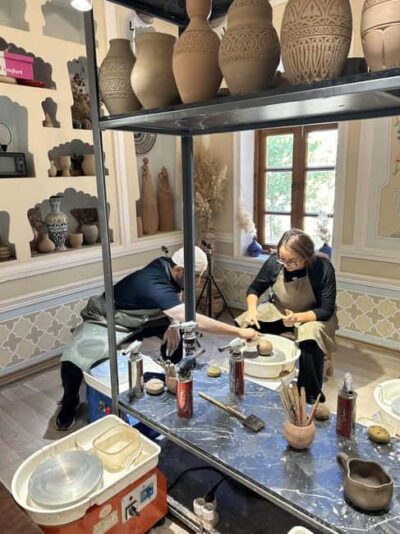
- Tashkent: Uzbek Culture, Food, Crafts & Pottery Masterclass
★ 5.0 · 24 reviews - With John Private Tashkent city & Food tour
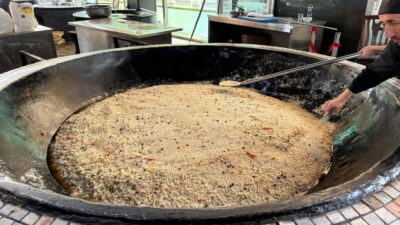
★ 5.0 · 13 reviews - Food tour in Tashkent
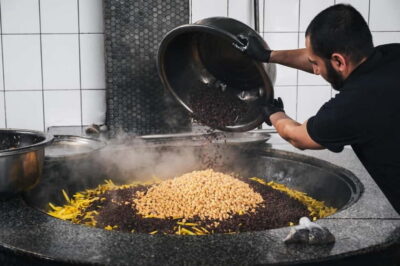
★ 4.7 · 7 reviews - Tashkent: 4 Hour Food Tour and Metro Journey with a Guide
★ 5.0 · 4 reviews
The Steam Pause That Turns into Samsa Time
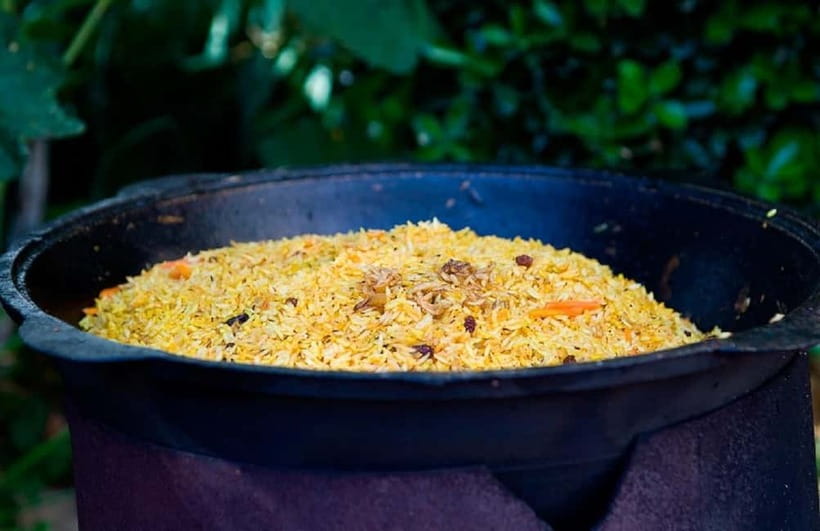
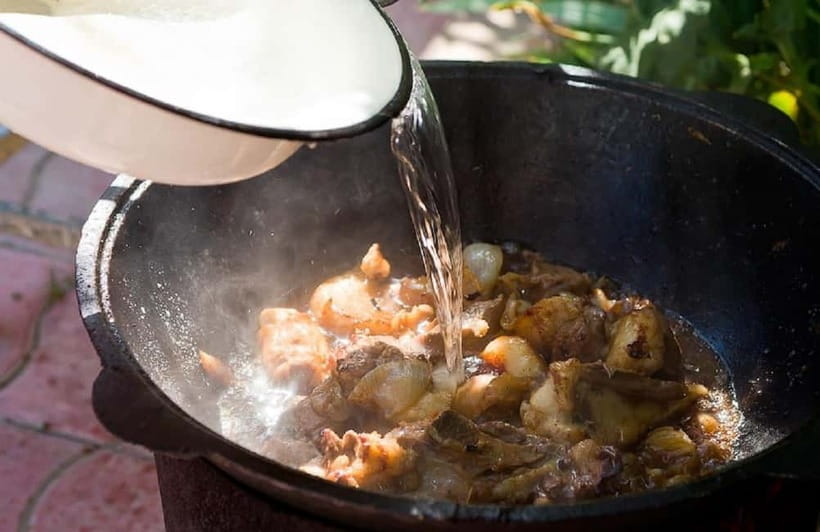
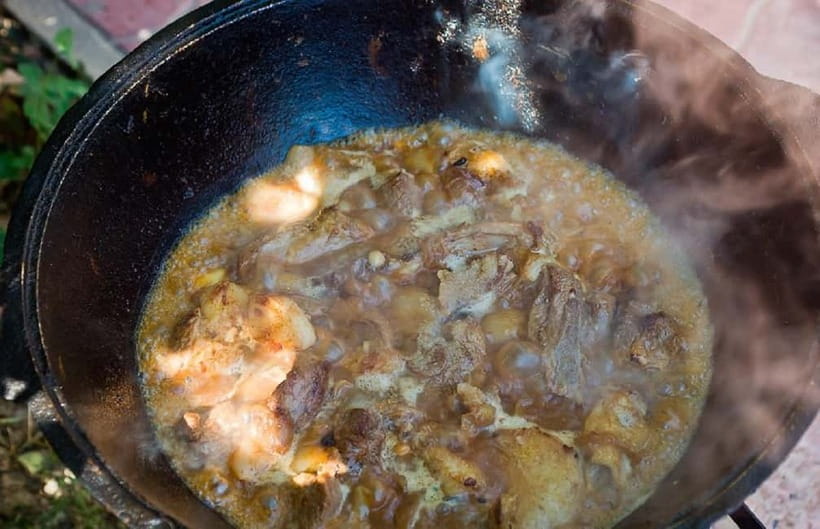
After the palov cooking begins, there’s a key moment when water is added for steaming. That’s when the schedule gives you a breather, then flips you into another classic Uzbek dish: samsa.
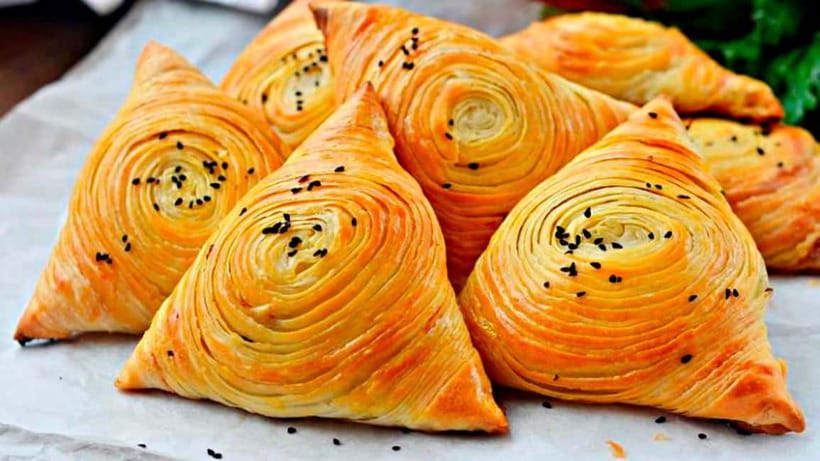
This is a smart design choice. Your brain is still on palov technique, but you get a different kind of skill immediately. Samsa is baked triangles stuffed with flavor, and it has its own rhythm: dough preparation, ghee brushing, rolling, chilling, then stuffing and baking.
You’ll work with a simple dough process. You roll it out, spread ghee, and then roll it tightly. The dough is divided into equal portions, then chilled. That chill is important because it helps the structure hold, and it makes the next rolling step easier.
Then comes the part most people enjoy most: you roll out each portion, stuff with minced meat, and bake the samsa in the oven. The team member helps you get it right so your triangles come out properly sealed and ready to bake.
This is also where you see how Uzbekistan handles “fast food” at home. It’s not fast because it’s sloppy. It’s fast because the dish is built on repeatable steps that taste great even if you’re not a professional baker.
If you’re vegan, the class description notes there is a possibility to make it without meat. The meatless approach for samsa is not spelled out in detail, so if that matters to you, ask directly before you go so you know what substitutions you can expect.
Back to Palov: Fry, Cook, Steam, and Balance
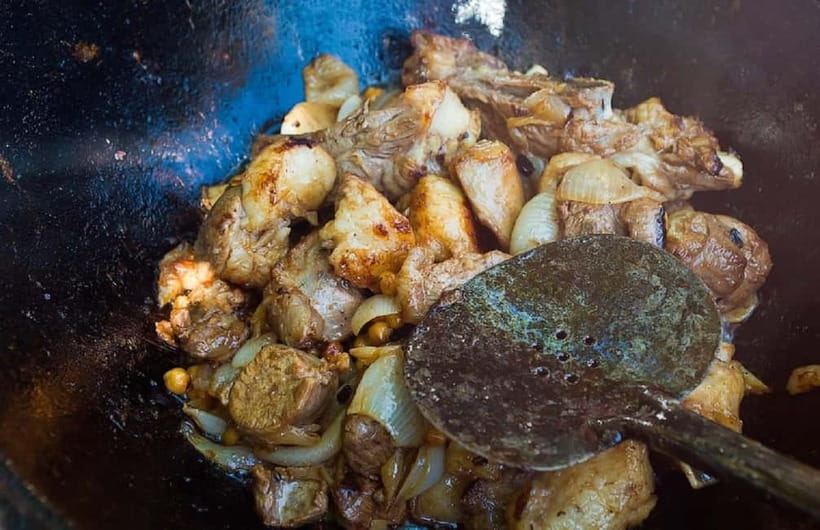
After samsa prep, you return to palov. By now you’ve already done the ingredient work, so the second palov phase is about technique and timing.
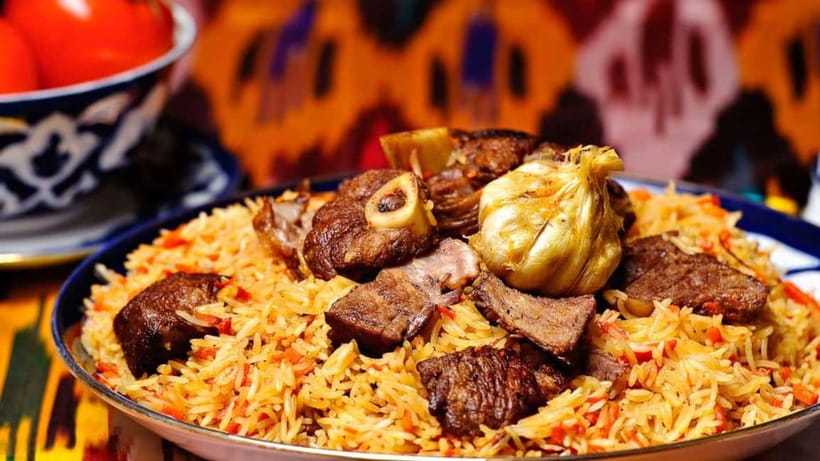
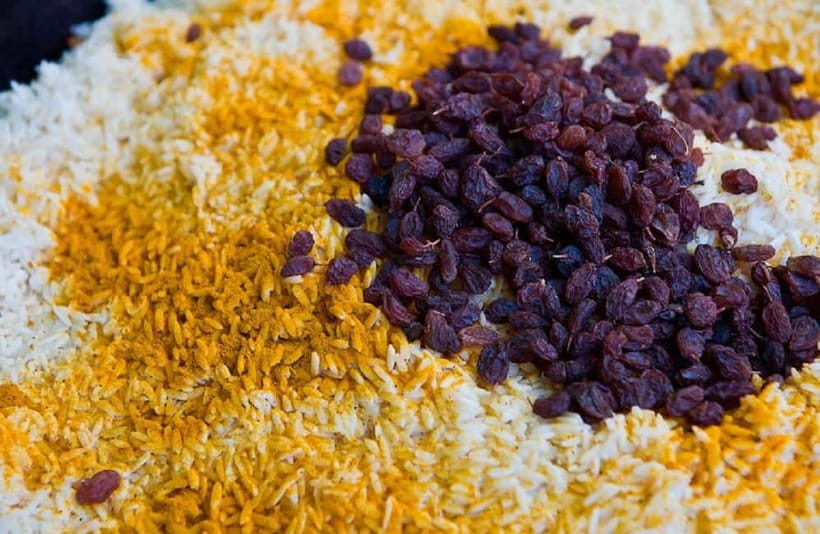
The palov method here is hands-on in the sense that you actively cook with guidance. You’ll fry, cook, and steam your creations, and the instruction is aimed at getting the rice cooked through properly. The class includes the core ingredients you need: rice, meat, carrot, onion, garlic, cumin, raisins, and sunflower oil.
Here’s what makes this portion valuable for you, even if you’ve cooked rice before. Palov is not just rice with stuff on top. The oil and aromatics set the foundation. Carrots add sweetness and texture. Meat provides savoriness. Raisins add a gentle contrast that keeps the dish from tasting flat. Cumin ties it together with warmth and depth.
If you get the timing wrong, the flavors can feel separate. If you get it right, the rice tastes like it belongs to the whole pot. In a short class like this, you’re not trying to master every variable. You’re learning the key moves that make the final dish feel coherent.
And yes, you eat what you make. That matters more than people think. Cooking classes sometimes end with a small taste. Here you sit down with your palov and samsa, which gives you immediate feedback. You learn what worked because you can taste it while the lesson is still fresh.
Hospitality Details: Tea, Snacks, and a Real Family Table
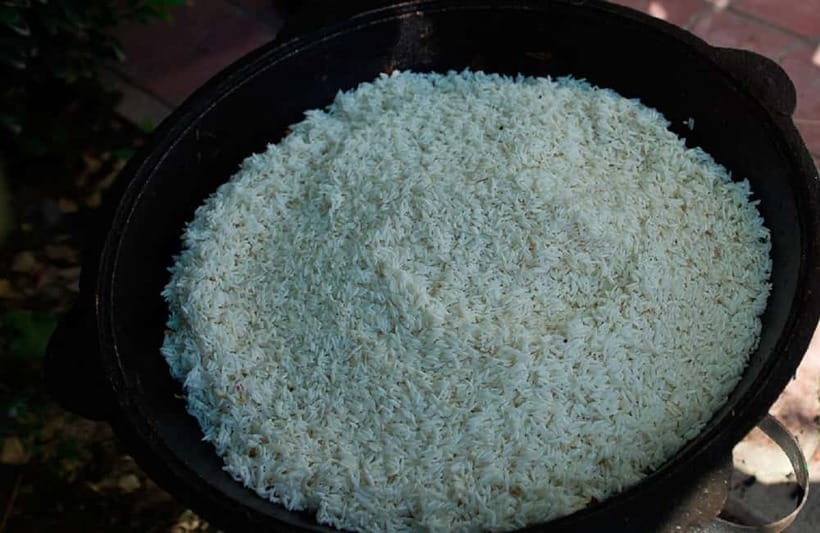
One of the biggest reasons this class gets strong marks is the host-family feel. People describe warmth and a welcoming atmosphere from the moment they arrive. Many hosts keep the table relaxed, and you can expect tea with extra traditional snacks or small sweets along the way.
Some sessions also include packing food to take away. That turns a 3-hour activity into a meal extension for later, which is a real value boost, especially if you’re out sightseeing afterward and don’t want to search for dinner.
About transportation: pickup and drop-off are listed as not included. Still, one booking experience mentions the company arranging a driver that handled pickup and drop-off smoothly. The safe move for you is to ask when you book, because sometimes the practical solution is available even if it’s not guaranteed for every booking.
Either way, plan on meeting at the location after booking. You’ll get instructions on how to find it again once you book, so don’t show up empty-handed on arrival time. Uzbek home kitchens are busy places, and punctuality keeps the cooking flow calm.
Price and Value for a 3-Hour Private Class
The price is $160 per group, up to 2 people, for a duration of three hours. That sounds simple, but value depends on what you get.
First, you get two dishes in one session: palov and samsa. You’re doing real prep and cooking steps for both. Second, it’s private, not a group of twelve people all trying to chop at once. For learning, private usually beats crowded every time. You get more correction, more attention, and a better chance to finish your food.
Third, ingredient costs are covered. You’re not bringing oil, rice, cumin, or ghee. The class includes the necessary ingredients for palov and samsa, and it includes professional instruction.
Now the honest part. If you’re the type who just wants to sample dishes, you might feel $160 is steep. But if you’re the type who wants to go home able to reproduce the method, this is closer to a practical workshop than a food tour.
One more thing to consider: there is a single negative report about a cancellation and refund issue. The class states free cancellation up to 24 hours in advance for a full refund, so your best protection is booking with enough lead time that you can adjust plans. If your schedule is tight, confirm the start time and your date carefully when you book.


Who Should Book This Plov and Samsa Class
This is a great fit if you want a hands-on food experience in Uzbekistan without the pressure of formal culinary training. It’s also ideal if you like meeting the host family and eating a meal that feels personal, not mass produced.
You’ll get the most from it if:
- you like active cooking, chopping, and tasting as you go
- you want a replicable palov method, including cumin and raisins
- you’re traveling with a partner or friend, because the group size is up to two
- you’re comfortable with mixed-language support and you don’t need everything explained word for word in English
It may be less ideal if:
- you want a long lecture or a heavy cultural talk with lots of English detail
- you need pickup from your hotel, since pickup and drop-off are not included
- you’re extremely sensitive to timing, since this is a live cooking flow and it depends on the kitchen rhythm
Also, it’s listed as wheelchair accessible. If you use a wheelchair, it’s still wise to ask a specific question about how the space works in the home, because “accessible” can mean different things in real kitchens.
Should You Book Plov and Samsa in Tashkent?
If you’re deciding between a quick tasting and real skill, I’d steer you toward this class. The value isn’t just that you eat palov and samsa, it’s that you actively learn the key steps, especially the palov method and the samsa dough process. The private setup for up to two people makes the cooking time feel personal, not rushed.
Book it if you want an authentic home-style meal, you like hands-on cooking, and you’re comfortable with some language limitations. Skip it if you only want sightseeing-style food sampling, or if you need guaranteed transportation because pickup is not included in the standard info.
My final advice: treat it like a cooking date, not a show. Wear comfortable clothes, arrive on time, and be ready to work with onions, carrots, and hot oil. You’ll leave with stronger instincts for flavor and timing, and with a meal memory that sticks longer than another photo ever will.
FAQ
How much does the Plov and Samsa cooking class cost?
The price is $160 per group, up to 2 people.
How long is the class?
The class lasts 3 hours.
What dishes will I learn to cook?
You’ll learn to cook two traditional Uzbek dishes, plov and samsa.
Is this class hands-on, or do I watch?
It’s hands-on. You participate in the cooking process, including cutting onions and carrots, cleaning rice, and frying, cooking, and steaming your food.
Is there a vegan option?
The class description says there is a possibility to do it without meat for vegans.
What languages are used during the class?
The instructor languages are Russian and English. The hostess of the house has a basic level of English.
Is pickup or drop-off included?
No, pickup and drop-off are not included.
Is the activity wheelchair accessible?
Yes, the activity is listed as wheelchair accessible.
The Full Uzbekistan Review Pile

Eat Your Way Round Tashkent
More of Uzbekistan we have reviewed
- Uzbekistan 6 days / 5 nights tour★ 5.0 · 3 reviews
- Tashkent Mountain Tour Amirsoy with Transport★ 3.5 · 3 reviews
- Private Tashkent City Tour★ 5.0 · 3 reviews
- Transfer Tashkent Airport / Railway Station – Hotel★ 3.5 · 3 reviews
- Tashkent: 3-Day Horseback Riding Tour in Chimgan Mountains★ 4.4 · 3 reviews
- Samarkand: Uloq-Kopkari (Buzkashi) Game Day Tour★ 5.0 · 3 reviews
Tashkent Food Tours & Cooking Classes, compared.
 ★ 5.0Tashkent: Uzbek Culture, Food, Crafts & Pottery MasterclassFrom $8524 reviews
 ★ 5.0With John Private Tashkent city & Food tourFrom $7313 reviews
 ★ 4.7Food tour in TashkentFrom $997 reviews
 ★ 5.0Tashkent: 4 Hour Food Tour and Metro Journey with a GuideFrom $1004 reviews
Browse the lists this tour appears in