
Review · KHOREZM
Transfer: Bukhara – Khiva via Ancient Fortresses
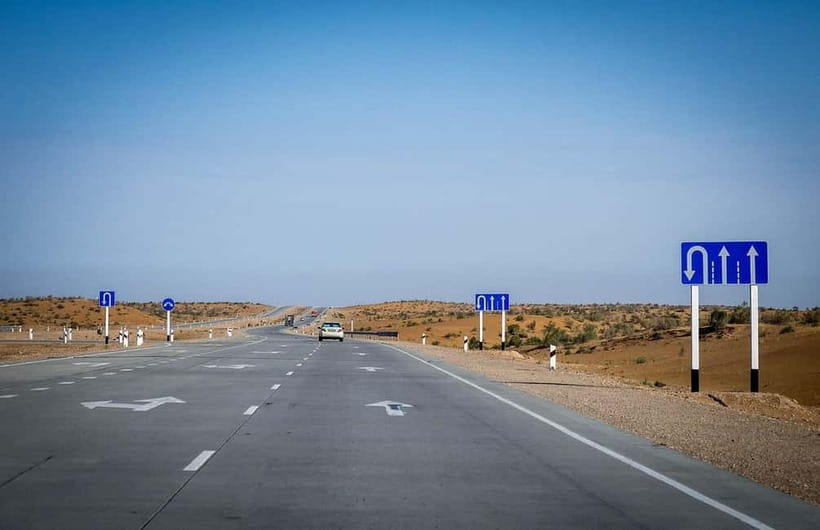
Fortresses are the perfect way to break up the drive. This private transfer from Bukhara to Khiva is built around Khorezm Oasis sites, so you are not just riding in a car, you are stopping where ancient power was planned and defended. I like that the driver is often strongly English-capable and takes the long road in stride, keeping the day smooth and safe.
What I love most is the variety between the fortresses. You start with Toprakkala and its clay-fortress clues to early Khorezm life, then you move through the Red Fortress (Kizilkala) and the more remote, tougher-feeling defenses of Ayazkala. The main drawback is simple: it is a full 9 hours with extra walking on uneven ground, plus entrance fees are not included, so you will want to budget for small ticket costs as you go.
In This Review
- Key points before you go
- Why this Bukhara-to-Khiva day feels different
- The route in plain terms: from Bukhara to Khiva via fortresses
- Toprakkala: Clay Fortress and the early Khorezm clues
- Kizilkala (Red Fortress): a garrison fortress with a visual cue
- Ayazkala: why the name hints at brutal winter conditions
- Kizilkum Desert drive and the all-important lunch break
- Arriving in Khiva with the right timing
- Price and value for a private group of up to 3
- What to expect from your driver and language support
- Getting the most from Ayazkala and the fortress walks
- Who this day trip suits best
- Should you book this fortress transfer?
- FAQ
- How long is the Bukhara to Khiva transfer via ancient fortresses?
- Which fortresses are visited on this day trip?
- Is pickup from my hotel included?
- Will I be dropped off in Khiva at my hotel?
- Is this a private group?
- What languages does the driver speak?
- Are entrance tickets included in the price?
- What should I bring for the day?
- Can I cancel for a full refund?
- Are drinks and food allowed in the vehicle?
Key points before you go
- Private car, shared history stop by stop instead of a basic point-to-point transfer
- Toprakkala, Kizilkala, Ayazkala give three different fortress “moods” and functions
- Kizilkum Desert scenery adds a real sense of place to the journey
- Lunch timing matters so you arrive in Khiva at a comfortable time
- Bring warm layers in winter because Ayazkala’s setting can feel brutally exposed
Why this Bukhara-to-Khiva day feels different
Most people treat Bukhara to Khiva like logistics. This route treats it like a story you can see. Instead of passing the Khorezm Oasis landscape at speed, you pause at fortified sites that help you understand why the region was dotted with walls, garrisons, and border protection.
You also get something practical: the sites are visited during the time you are traveling anyway. That means you do not have to squeeze in separate half-day tours or figure out complicated timing between cities. The result is a day that feels coherent, not rushed. In a bunch of the experiences I read about, the car rides were described as safe and comfortable, and the driver explanations made the stops easier to “read” when the signs are limited and the terrain is open.
One more detail I appreciate: many pickups are handled smoothly with a short wait outside the hotel lobby, so the day starts on time and you are not burning energy hunting for your driver.
The route in plain terms: from Bukhara to Khiva via fortresses
Your day follows a clear line: Bukhara to the fortress sites, then onward to Khiva with a hotel drop-off. The stops are structured so you move through the oasis zone first, then out toward more remote defenses, and finally into Khiva.
Here is how to picture the flow:
1) Bukhara departure with fortress stops while you drive toward Khiva
2) Toprakkala as the early “center of gravity”
3) Kizilkala as the roadside garrison fortress
4) Ayazkala as the remote, organized border-defense fortress
5) Drive onward to Khiva and drop-off at your hotel
Along the way, the Kizilkum Desert is part of the broader sense of distance and openness. You get the feeling of how trade routes, caravans, and raids all mattered in the same geography.
Other fortress runs out of Khiva
- Transfer: Bukhara – Khiva via Ancient Fortresses
★ 4.5 · 101 reviews - Daytrip From Khiva To Ancient Fortresses
★ 4.6 · 60 reviews - Private Daytrip to 7 Ancient Fortresses of Khorezm
★ 5.0 · 25 reviews - Tranfer Khiva – Bukhara via Ancient Fortresses
★ 4.8 · 24 reviews
Toprakkala: Clay Fortress and the early Khorezm clues
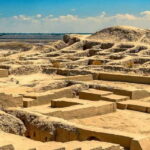
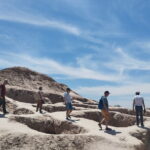
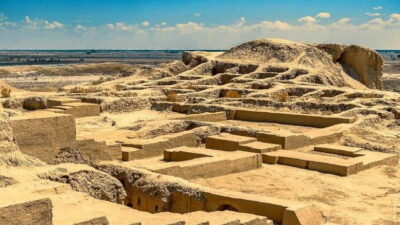
Toprakkala is the kind of place that makes history feel concrete. Even without elaborate restorations, you can sense why it mattered. This site is described as the first capital of Khorezm, and the name points to its material identity: clay, not stone.
What makes Toprakkala especially interesting is that it is tied to early evidence of organized life. The information shared for the stop highlights discoveries connected to statehood and urban planning, including early city plan examples. You also learn about written sources linked to Khorezm, plus items connected to cultural life such as a calendar and plaster statuettes of singers.
Why you should care: When you visit a fortress site, it is easy to think only about walls and defense. Toprakkala helps you see the other side. This was not just a place to survive an attack, it was where administration and planning were happening. That shift makes the next two stops easier to interpret, because you start noticing how forts fit into a broader system.
Practical tip: wear shoes you trust on dusty, uneven ground. Even when the walk is not long, the surface can be gritty and unpredictable.
Kizilkala (Red Fortress): a garrison fortress with a visual cue
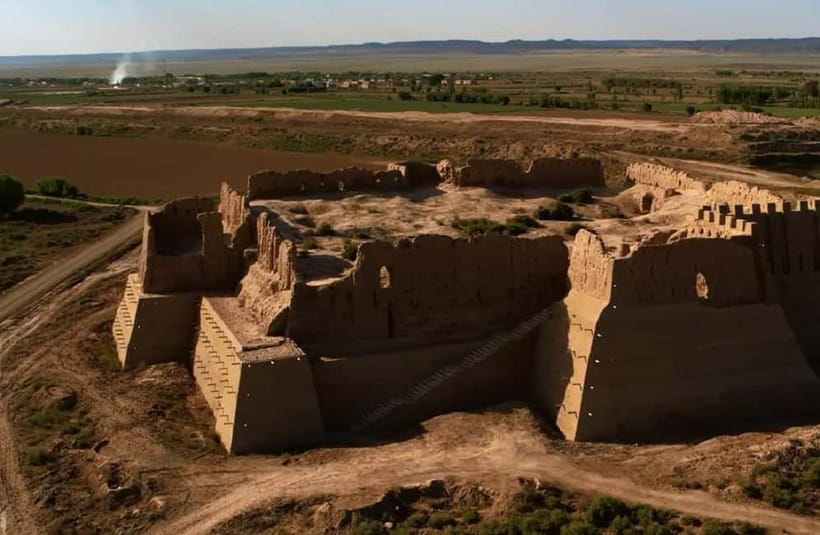
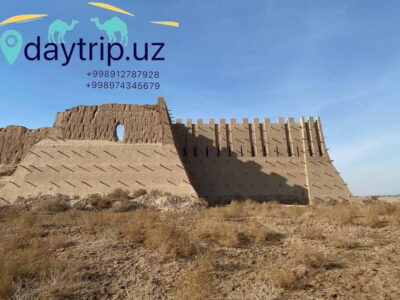
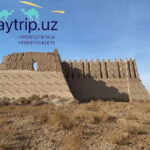
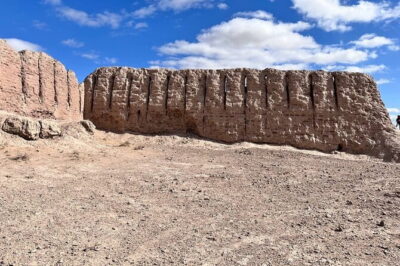
After Toprakkala, the route continues to Kizilkala, the Red Fortress. The name comes from the color of the clay, which gives you an immediate visual handle. That matters because most fortress sites are not labeled like city monuments, so the color and setting help your brain lock onto what you are looking at.
Kizilkala is presented as a garrison fortress in the oasis system. In other words, it is not just the “main” seat of power. It is one of the places that would help defend and monitor a broader region. You can think of it as the military footprint along the oasis edge and travel corridors.
What I like about this stop is the contrast. Toprakkala sets the stage as a first capital, then Kizilkala shows you a supporting role. Seeing both helps you avoid the common mistake of treating each fortress as if it were a standalone castle.
Practical tip: keep your camera handy but do not stare through the lens the whole time. Look first for the clay color, then for how the fort’s shape relates to the surrounding open space. The “why here” becomes clearer when you take two minutes to study the geometry.
Ayazkala: why the name hints at brutal winter conditions
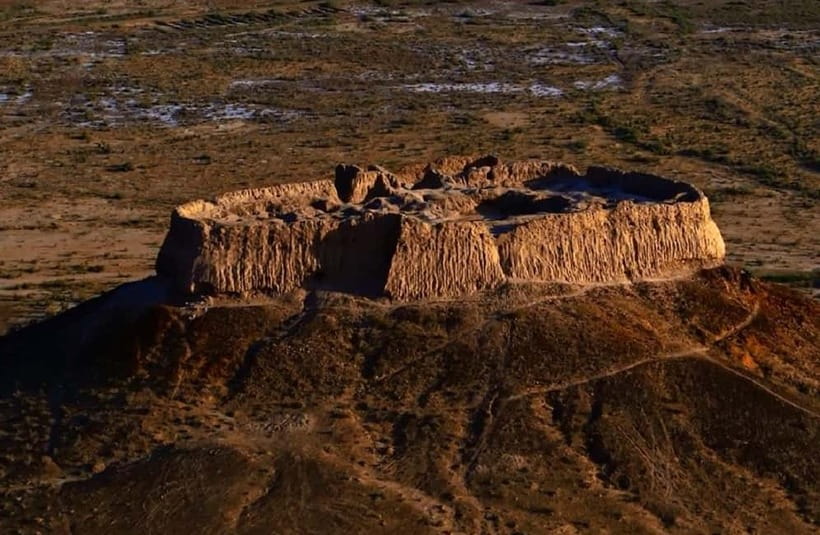
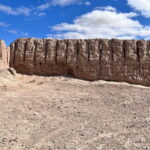
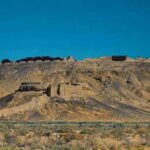
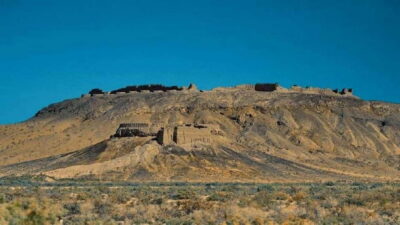
Ayazkala is where the fortress experience gets more dramatic. This site is described as more important in the oasis defense network and as built with three parts, designed around the oasis borders to protect against raids coming from the north.
The name also matters. It is described as meaning Severe Frost Fortress. That is not just a poetic translation. The idea is that you only truly understand the name when you experience the cold steppe conditions associated with the site.
Even if you are not visiting in winter, you can still feel why this would have been a hard posting. Ayazkala is characterized as remote and well-organized and protected, which implies planning and a clear sense of threats. When you stand there, you get the feeling that someone expected danger and built accordingly.
One practical consideration: it is more exposed than the “in town” feeling of famous monuments. Bring warm layers if weather turns. And if you are sensitive to wind or cold, plan to stay moving, but slow enough to absorb what you are seeing.
Kizilkum Desert drive and the all-important lunch break
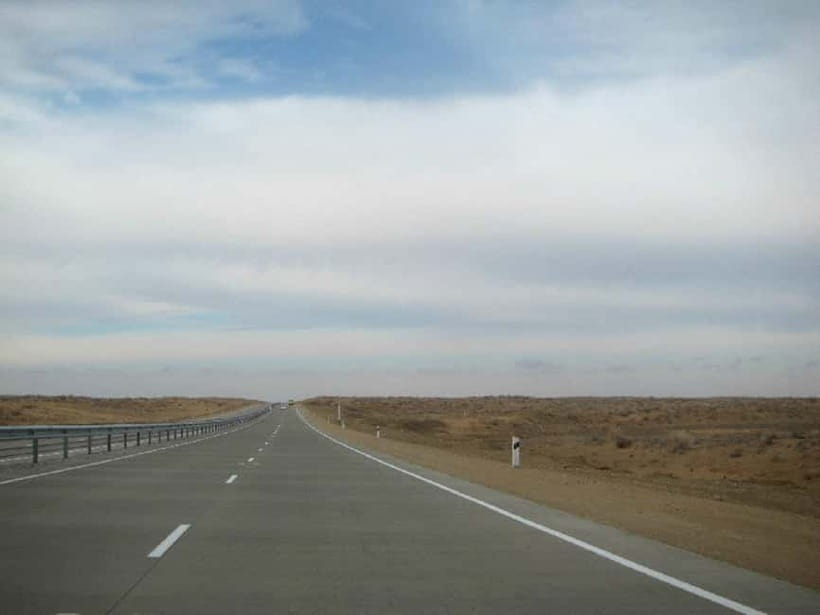
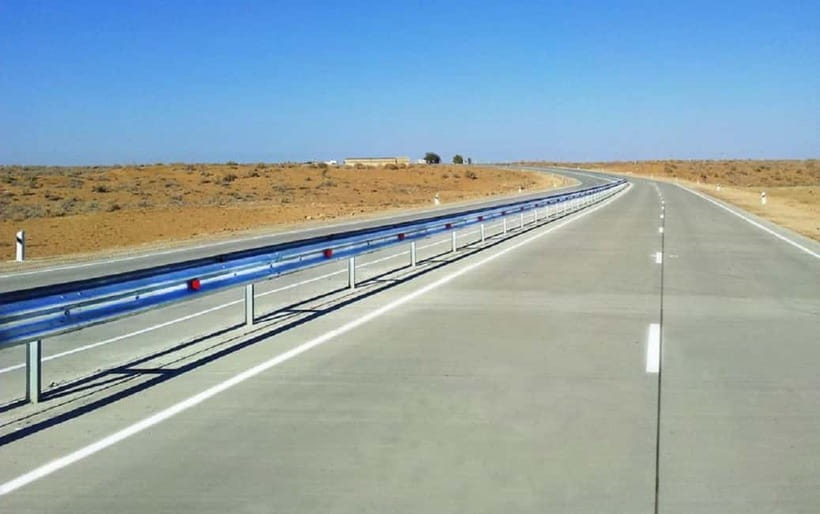
Between fortresses, the drive itself becomes part of the experience. With Kizilkum Desert scenery included as a highlight, you get wide-open views that make the oasis system feel even more striking. Fortresses make sense when you understand the distance and the difficulty of travel beyond the oasis.
Lunch is handled as an estimated stop on the way. In at least one set of experiences, the lunch stop happened at a yurt camp, with timing described as working well for arriving in Khiva at the right moment. I would treat that as a possible option, not a guarantee, but the key takeaway is that lunch is built into the day rather than being left for you to improvise.
What to do:
- Plan to eat a real meal, not just snacks.
- Keep water accessible so you are not tempted to break the rules about drinks in the vehicle.
And yes, there is a policy point here. Drinks in the vehicle are not allowed, and food in the vehicle is also not allowed. That means if you bring water, have it ready for breaks outside the car, and follow the driver’s instructions.
More Uzbekistan trips with a driver
Arriving in Khiva with the right timing
The end goal is Khiva drop-off to your hotel. The best part is that you are not arriving after a half-day of rushed sightseeing, you are arriving after a structured day where the narrative of defense and power has been built step by step.
In experiences shared with drivers like Pavlik and Jasur, arrivals were described as timed well, including one where the group felt it landed perfectly in terms of schedule. Another driver named Ulugkbek was noted for turning the long transfer into something informative rather than draining, which matters because the road between Bukhara and Khiva is long enough to wear you down if you are stuck with silence.
What I recommend: when you arrive, do not instantly sprint into big plans. Take 30 minutes. Freshen up. Then do a slower first walk to let the fortress story echo in your mind while you see Khiva in real life.
Price and value for a private group of up to 3
The price is $160 per group up to 3, for a total duration of about 9 hours. On paper that is “cheap” or “expensive” depending on how many people you have. Here is the practical way to judge it:
- If you fill the car (3 people), the cost per person is far lower than a typical private excursion.
- If you book as one or two people, it still holds value because you are not just buying sightseeing, you are buying a private Bukhara-to-Khiva transfer that includes fortress visits and fees.
Included in the price are an A/C vehicle, pickup and drop-off, visits to Toprakkala, Kizilkala, and Ayazkala, plus all fees and taxes for those parts. Entrance tickets are not included, but the listed amount is small, around 1 to 2 USD per monument per person.
That is a key value point: your budget stays predictable. You will still pay for entry, but it does not look like a “surprise” fee situation.
My one caution: bring a little extra cash or card flexibility for those entrance tickets, because the day is built around multiple monuments.
What to expect from your driver and language support
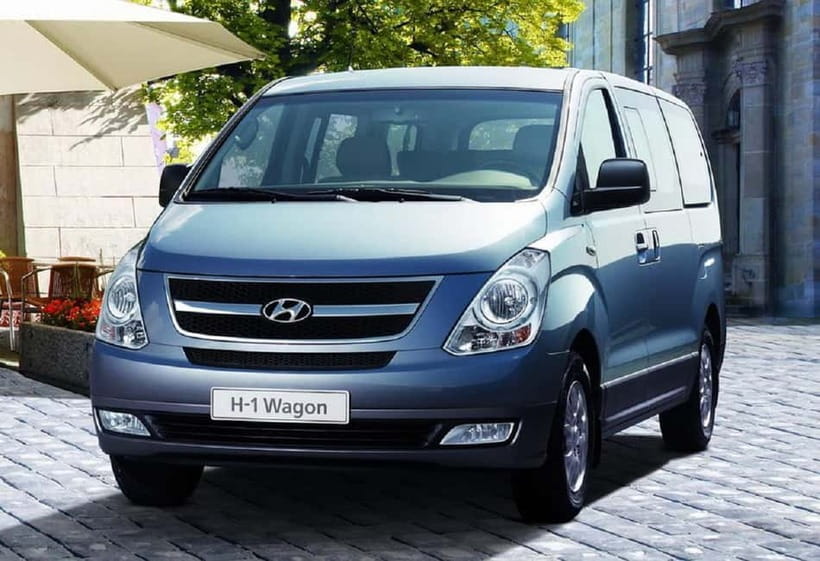
The driver speaks English or Russian, and that can make a huge difference on fortress sites where context is everything. Several named experiences highlighted friendly drivers who explained what you were seeing, including drivers named Ali and Jasur.
Also, pay attention to the driving style described in those experiences. Safe driving was specifically mentioned, including moderation on the road in demanding traffic conditions. That might sound like a small detail, but in a long day, confidence behind the wheel keeps you relaxed enough to enjoy the stops.
If you are traveling with kids or someone who gets carsick, this setup is still worth considering because it is private and you are not stuck with multiple people’s pacing and stops. You can move as a unit, and the day is structured.
Getting the most from Ayazkala and the fortress walks
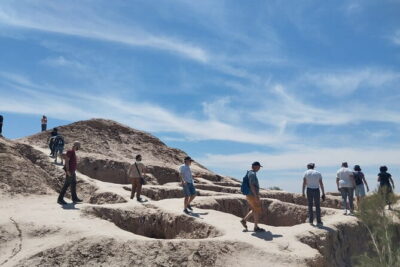
This experience rewards preparation more than fitness. Most of your time is spent walking on open archaeological terrain, standing, and looking. You are not signing up for marathon hikes, but you are dealing with dusty ground and possible wind.
Bring:
- Comfortable shoes you can walk on uneven surfaces
- Sunglasses
- Comfortable clothes
- Warmer clothing especially if you are visiting in winter
- A camera to capture the sites and desert views
- Your own water for hydration breaks
Also follow the vehicle rules:
- Drinks are not allowed in the vehicle
- Food is not allowed in the vehicle
One more helpful mindset: when you arrive at a fortress site, spend two minutes figuring out what role it likely played. Was it a main political center, a garrison point, or a border defense? Toprakkala pushes you toward statehood and planning clues. Kizilkala shifts you into regional defense logic. Ayazkala makes you feel the hardship side.
Who this day trip suits best
This is ideal if you:
- Want a meaningful transfer from Bukhara to Khiva without wasting the travel day
- Enjoy archaeological sites, forts, and the “why” behind walls
- Prefer private, controlled pacing over crowded day tours
- Like having language support so you are not guessing what you are looking at
It might not be perfect if you:
- Hate long car days. This is 9 hours, with multiple stops.
- Are extremely sensitive to cold or wind, especially at more remote sites like Ayazkala.
- Want entrances and minor costs fully handled. Tickets are not included, even though they are listed as relatively small.
Should you book this fortress transfer?
Yes, if you want your Bukhara to Khiva day to feel like part of the story of Khorezm, not just a commute. The mix of Toprakkala, Kizilkala, and Ayazkala gives you a real “three-part” view of fortress roles, and the private car setup makes the day easier than piecing it together on your own.
Book it especially if you value good driving and clear explanations, since named drivers like Pavlik, Jasur, Ulugkbek, and Ali show up in the experiences tied to this route. Pay the small extra entry fees you will owe, bring warm layers if weather is cold, and plan for a long-but-interesting day.
FAQ
How long is the Bukhara to Khiva transfer via ancient fortresses?
The duration is 9 hours.
Which fortresses are visited on this day trip?
You visit Toprakkala, Kizilkala, and Ayazkala fortresses, with travel onward to Khiva.
Is pickup from my hotel included?
Yes. Pickup is included, and you should wait in the hotel lobby about 5 minutes before the scheduled pickup time.
Will I be dropped off in Khiva at my hotel?
Yes. The service includes transfer and drop-off in Khiva to your hotel.
Is this a private group?
Yes, it is a private group.
What languages does the driver speak?
The driver speaks English and Russian.
Are entrance tickets included in the price?
No. Entrance tickets are not included and are listed as about 1 to 2 USD per monument per person.
What should I bring for the day?
Bring comfortable shoes, sunglasses, comfortable clothes, and warm clothing if you are visiting in winter. A camera can help, and you should bring your own water.
Can I cancel for a full refund?
Yes. Free cancellation is available up to 24 hours in advance for a full refund.
Are drinks and food allowed in the vehicle?
Drinks in the vehicle are not allowed, and food in the vehicle is not allowed.
Driver Included
The Full Uzbekistan Review Pile
More Khorezm Fortresses
More of Uzbekistan we have reviewed
- Best of Khiva: Exclusive Private Tour!★ 5.0 · 3 reviews
- Traditional Khiva Cooking Class with Market Visit & Lunch★ 5.0 · 4 reviews
- Ayaz Kala & Toprak Kala private fortress daytrip from Khiva★ 3.5 · 6 reviews
- Private Daytrip to Muynak and Nukus★ 5.0 · 10 reviews
- Best of Khiva: Exclusive Private Tour!★ 5.0 · 9 reviews
- Private Transfer & Photo‑Stops: Ayaz‑Kala & Toprak‑Kala”★ 4.6 · 6 reviews
Khorezm Desert Fortress Day Trips, compared.
 ★ 4.6Daytrip From Khiva To Ancient FortressesFrom $9860 reviews
 ★ 5.0Guided Tour To Old FortressesFrom $8825 reviews
 ★ 5.0Private Daytrip to 7 Ancient Fortresses of KhorezmFrom $19925 reviews
 ★ 4.4Daytrip from Khiva to Five Ancient FortressesFrom $11515 reviews
 ★ 3.5Ayaz Kala & Toprak Kala private fortress daytrip from KhivaFrom $386 reviews
Browse the lists this tour appears in