
Review · SAMARKAND
Samarkand: Cooking class with local family
A local table beats sightseeing. In Samarkand, this 5-hour private class pairs bazaar shopping with hands-on Uzbek cooking in Navruz’s home. You also stop at craft workshops, so your day is more than just dinner prep.
What I like most is the combination of Uzbek flavors and real family interaction. You cook classic dishes like plov, shashlik, and samsa, and you get a window into daily life, not a scripted lecture.
One consideration: the home visit comes with clear rules. Expect modest dress requirements, and alcohol is not allowed, so plan clothes and your lunch mindset accordingly.
In This Review
- Key Points You’ll Feel in Real Life
- Starting at the Samarkand Bazaar, Before You Cook
- Plov, Shashlik, and Samsa: Cooking Uzbek Dishes at Home
- Navruz, Guli, and Family Time You Actually Talk Through
- Konigil Paper Factory: Craft Skills with Real Age Behind Them
- Oil Meal and Pottery, Plus a Hand-Made Rug Workshop
- Private Group Value: What $65 Gets You in a 5-Hour Day
- Practical Tips for a Smooth Day in Someone’s Home
- Who This Cooking Class Best Fits
- Should You Book This Samarkand Home-Cooking Day?
- FAQ
- How long is the cooking class experience?
- What dishes will I cook during the class?
- What is included in the price?
- Is this tour private, and what languages does the guide speak?
- Are there any rules about clothing or alcohol?
- Can I cancel, and is there a pay-later option?
Key Points You’ll Feel in Real Life
- Navruz hosts you at his family home so the day feels personal, not staged
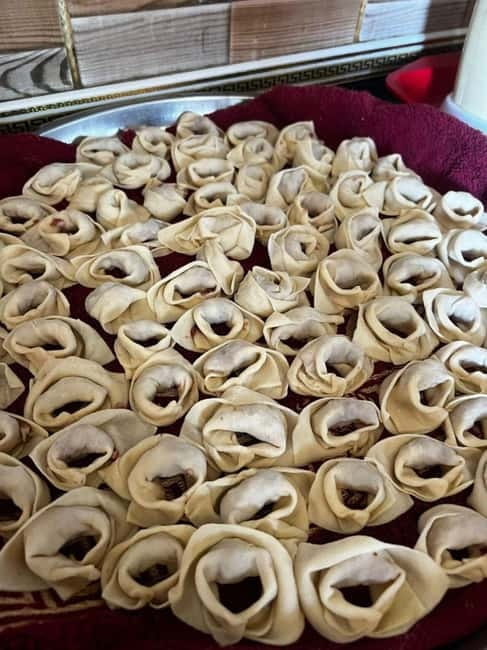
- You cook Uzbek classics including plov, shashlik, and samsa, not just watch
- Bazar time is part of the lesson so you see ingredients in context
- Konigil paper workshop connects food and daily life to older crafts
- Oil meal, pottery, and hand-made rugs keep the momentum after lunch
- Private group format helps you ask questions without the crowd pressure
Starting at the Samarkand Bazaar, Before You Cook
The day begins where most visitors do not start, at the bazaar. This is where you see ingredients first, not after someone has already wrapped them for you. You get a feel for how people shop, talk, and compare quality, and you can ask practical questions about what goes into Uzbek cooking.
I like that this portion sets you up for the kitchen work. When you have already seen spices, grains, and breads in the market, the food lesson makes more sense. It also helps you notice details, like how vendors describe ingredients and what people choose for everyday meals versus special ones.
A good bazaar experience is not about speed. It is about conversations and small observations. Bring your curiosity, and expect the pace to feel human. Also, wear comfortable shoes. Bazaar floors can be uneven, and you will likely stand longer than you think.
Plov, Shashlik, and Samsa: Cooking Uzbek Dishes at Home
The core of this experience is cooking in a local home with Navruz and his family. This is not a demo where you only hold a spoon for show. You learn how Uzbek dishes come together from scratch, guided step by step, with the family pitching in as needed.
You will focus on classic dishes:
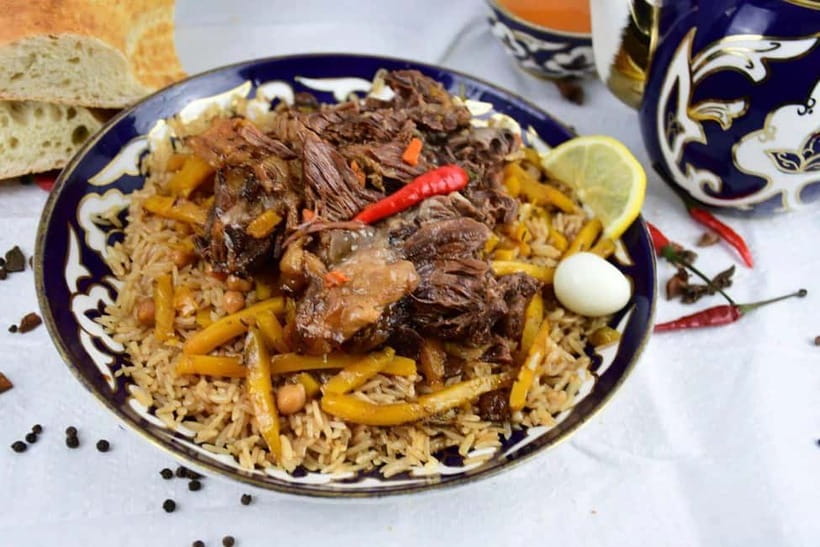
- Plov (rice pilaf), the Uzbek rice centerpiece
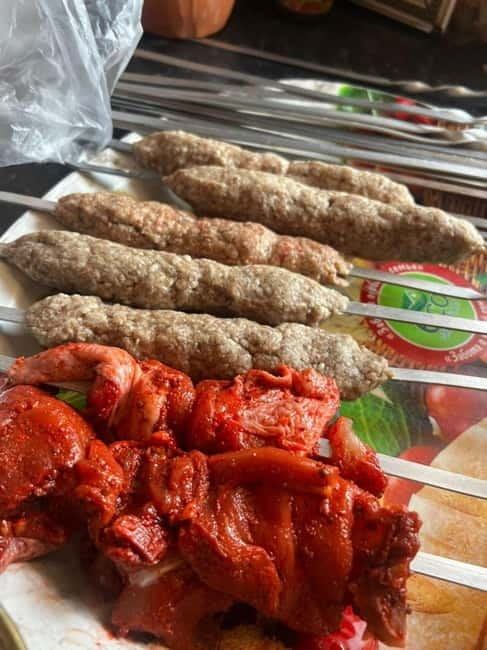
- Shashlik, grilled meat with smoky flavor and simple, satisfying seasoning
- Samsa, savory pastries that bring comfort and crunch
What matters for you is not the list of dishes. It is the method and the hand skills. When you cook at home, you pick up the small judgments that never fit in a cookbook. Things like texture, timing, and the way families adjust seasoning based on what they have.
And yes, the setup tends to make you pay attention. You will likely learn by doing, whether that is shaping pastries, handling ingredients, or managing heat while someone explains the logic behind the dish.
One practical note: you are doing hands-on food work as part of the day. Plan for food smells on your clothes and wash-up needs. Long sleeves are fine if they are comfortable, and you will probably appreciate having something to tie your hair back if that applies.
Still hungry? More Samarkand kitchens to sit in
- Samarkand: Village Tour with Plov Cooking Class & Home Visit
★ 5.0 · 29 reviews - Samarkand: Uzbek Cooking Class in a Village Home
★ 5.0 · 22 reviews - Cooking class in Samarkand with local life experience
★ 5.0 · 19 reviews - cooking traditional food in Samarkand with local people
★ 4.8 · 17 reviews
Navruz, Guli, and Family Time You Actually Talk Through
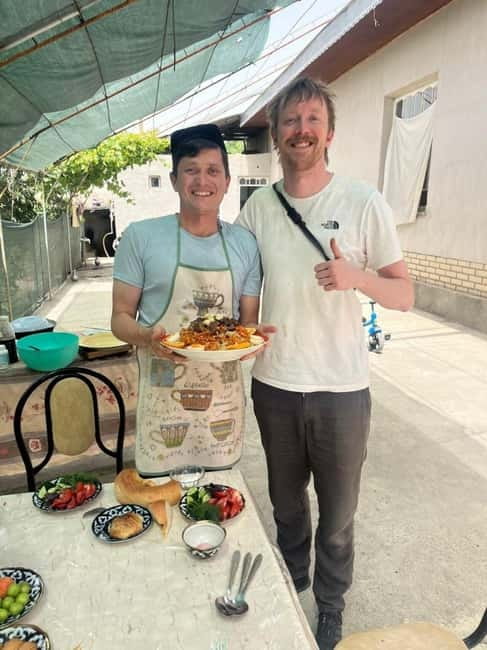
Navruz is the host, and his family is part of the whole experience. In particular, people mention his wife Guli and also time with parents. That family mix changes the vibe. You get more than a cooking lesson. You get a cultural conversation that includes food, customs, and everyday rhythm.
This is where the reviews land strongest. The warmth comes through, and the learning is not limited to recipes. You may talk about traditions, costumes, and how people live day to day. Some guests even noted that family time can include a relaxed game, such as chess, depending on how the afternoon flows.
If you want an authentic experience, this is a smart way to get it. You are not just watching someone cook. You are stepping into their normal life for a few hours, asking questions, and learning how hospitality works in a family setting.
Tip for you: ask one or two questions that lead to stories. Instead of only asking what an ingredient is, ask how it shows up during celebrations or regular meals. In homes, people usually have examples ready.
Also, bring a respectful attitude about timing. Family cooking runs on flow, and the day is built around that. If you stay flexible, you will get more out of the day than if you treat it like a strict schedule.
Konigil Paper Factory: Craft Skills with Real Age Behind Them
After you finish cooking and lunch, the itinerary shifts from food to crafts. One stop is the Konigil paper factory, a place people connect to very old paper traditions. One review specifically called out that the paper making has origins reaching back to the 1st century.
Even if you only understand the basics of paper making, it is a fascinating contrast after a food lesson. It reminds you that everyday life has its own crafts behind it. In other words, this is not just about what people eat, it is also about how they produce the materials that support daily routines.
Here is what you can realistically get out of this stop:
- You see paper production as a craft process, not a magic machine trick
- You understand how labor and materials shape the final product
- You get a new kind of cultural context that supports what you already learned in the kitchen
If you like hands-on culture, this is a solid add-on. It gives your brain a change of pace without losing the theme of doing, making, and talking with locals.
Oil Meal and Pottery, Plus a Hand-Made Rug Workshop
Next comes more hands-on local craft. You will visit an oil meal and pottery workshop, which keeps the day grounded in practical, everyday skills. Pottery especially pairs well with the rest of the experience. You just cooked and ate, and then you see the objects and processes that make home life work.
You also stop at a rug making place where rugs are made by hand. This is one of those activities that pays off if you slow down. Take a moment to watch the process and notice how patience becomes visible in the final product.
Why this matters for you: when you see multiple crafts in one half-day, it gives you a better sense of how skills travel across generations. Food, paper, pottery, and textiles are all part of local identity. It is not random sightseeing. It is learning how everyday culture gets made.
If you are the type who likes photos, you will have plenty of chances. Just remember to be polite and ask before photographing people or very private working areas.
Private Group Value: What $65 Gets You in a 5-Hour Day
Price is $65 per person for a 5-hour experience. On paper, it sounds simple, but the value comes from what is included and how the time is used.
Here is what you are getting for that cost:
- An air-conditioned vehicle
- Lunch
- Bottled water
- A live guide
- A private group setup
The private format matters. In many tours, you end up as part of a moving crowd and you do not get enough conversation time. Here, your guide can slow down for questions, and the family experience stays more personal.
You also get more than one theme in a short window. Bazaar time builds ingredient context. Cooking teaches skills and food traditions. Then craft stops keep the day going with tangible, visible work.
One thing to consider: you are not getting an all-day museum crawl. This is a taste of local life, packed into a half-day. If you want long stretches at a single site, you might prefer a longer single-focus tour. If you want a varied, hands-on day with food at the center, this fits well.
More Uzbekistan cooking to get stuck into
Practical Tips for a Smooth Day in Someone’s Home
This kind of experience works best when you prepare for the social side, not just the schedule.
First, dress appropriately. The rules list restrictions like short skirts and tight clothing as not allowed. You will also want to skip anything that might look like it conflicts with home and community norms. In practice, modest, comfortable clothing is your safest bet.
Second, alcohol is off limits. Red wine is listed as not allowed, and alcoholic drinks in the vehicle are also not allowed. Plan to keep your day alcohol-free. It makes everything easier, especially in a family setting.
Third, come hungry. Lunch is included, but the cooking part builds your appetite fast. You will handle ingredients and spend time on your feet.
Fourth, take the guide seriously. You have live interpretation support in multiple languages, including English, Korean, Russian, Uzbek, and Tajik. If you speak one of those languages, use it. If you do not, still ask questions slowly. A good guide can turn a simple question into real understanding.
Finally, be ready to participate. This is a cooking class with local family interaction, not just a cultural walk. Even if you feel awkward at first, the hands-on approach usually helps you settle quickly.
Who This Cooking Class Best Fits
I think this works best if you want a practical, human connection to Samarkand food and daily life.
You will likely enjoy it if:
- You like learning by doing
- You want hands-on cooking beyond restaurant flavor
- You prefer smaller, personal interactions to large group tours
- You enjoy seeing crafts, not only monuments
This might not be the best choice if you want a strict, sightseeing-only plan with lots of free time. The day is structured around family hosting and crafts, so you should expect a guided flow rather than wandering on your own.
Also, if you have strong dietary needs, the tour data here does not spell out special accommodation details. You can still ask ahead, but plan for the standard dishes mentioned, especially plov, shashlik, and samsa.
Should You Book This Samarkand Home-Cooking Day?
If you are torn between another monument tour and something more personal, I would lean toward this. The mix of bazaar ingredients, cooking classic dishes in someone’s home, and then continuing to Konigil paper, pottery, and hand-made rugs gives you a full picture of how local skills connect.
Book it if you want value that goes beyond a single activity. The $65 price makes more sense when you factor in the private setting, lunch, bottled water, air-conditioned transport, and the fact that you cook, not just watch.
One last thought: bring your manners, wear modest clothing, and come ready to talk. When you do, this kind of day feels like you earned a story, not just collected a stamp.
FAQ
How long is the cooking class experience?
The experience lasts 5 hours.
What dishes will I cook during the class?
You will cook traditional Uzbek dishes including plov, shashlik, and samsa.
What is included in the price?
The tour includes an air-conditioned vehicle, lunch, and bottled water, plus a live tour guide.
Is this tour private, and what languages does the guide speak?
It is a private group. The guide is available in English, Korean, Russian, Uzbek, and Tajik.
Are there any rules about clothing or alcohol?
Yes. Short skirts, tight clothing, red wine, alcohol and drugs, and nudity are not allowed. Alcoholic drinks in the vehicle are also not allowed.
Can I cancel, and is there a pay-later option?
You can cancel up to 24 hours in advance for a full refund. You can also reserve now and pay later.
More Pots And Pans
The Full Uzbekistan Review Pile
More Samarkand Kitchen Tables
More of Uzbekistan we have reviewed
- Samarkand: Cooking class with local family★ 5.0 · 3 reviews
- Samarkand: city tour★ 4.7 · 3 reviews
- Bird Watching Tours in Samarkand★ 3.6 · 3 reviews
- Samarkand City Tour from Silk Paper Factory to Registan Square★ 5.0 · 4 reviews
- Shakhrisabz Private Day Tour from Samarkand★ 5.0 · 4 reviews
- Panjakent day trip from Samarkand★ 4.5 · 6 reviews
Samarkand Cooking Classes & Home Visits, compared.
 ★ 5.0Samarkand: Village Tour with Plov Cooking Class & Home VisitFrom $5929 reviews
 ★ 5.0Samarkand: Uzbek Cooking Class in a Village HomeFrom $5222 reviews
 ★ 5.0Cooking class in Samarkand with local life experienceFrom $6319 reviews
 ★ 4.8cooking traditional food in Samarkand with local peopleFrom $6217 reviews
 ★ 5.0Private Samarkand Cooking Class with Market Tour & TransfersFrom $7214 reviews
Browse the lists this tour appears in