
Review · SAMARKAND
cooking traditional food in Samarkand with local people
Real cooking in a Samarkand home beats tours. I like starting at Siab Bazaar with guide Akram, then heading 14 km out to Ravot village in Toyloq district to cook beside Navruz’s family. I also like that you may get hands-on with plov and even bake bread in a tandir, not just watch. The one catch: on Mondays the bazaar is closed, so the morning may look different.
At $62 for 5 hours, you’re paying for more than recipes. You get transportation, an English-speaking guide, market time, and lunch or dinner at the family table.
Plan for modest village clothing. The host requests no short skirts or tight clothing, and you’ll want comfortable layers for cooking outdoors and indoors.
In This Review
- Key reasons this cooking day stands out
- Why a Ravot village cooking day feels different from a city class
- Siab Bazaar timing, what to look for, and how Monday changes things
- The village kitchen experience: o’choq heat, tandir bread, and real tools
- Plov and Uzbek salads: what you can cook and how choices work
- Transportation and timing: 5 hours, 14 km out of town, smooth enough to relax
- Lunch or dinner at the family table: why the meal is part of the lesson
- Pricing and value: what $62 really covers
- Who should book, and who might want to choose another option
- Practical tips to make the day smoother
- Should you book this Samarkand cooking masterclass?
Key reasons this cooking day stands out
- Siab Bazaar with an English guide so you know what you’re actually seeing, not just walking by stalls
- Ravot village, Toyloq district (14 km from Registan Square) with a smooth, not-bumpy road
- Plov lesson plus other Uzbek dishes tailored to what you feel like eating
- Bread in a tandir using the traditional oven style, not a modern substitute
- Cooking on different heat sources (gas or o’choq), which changes the way food behaves
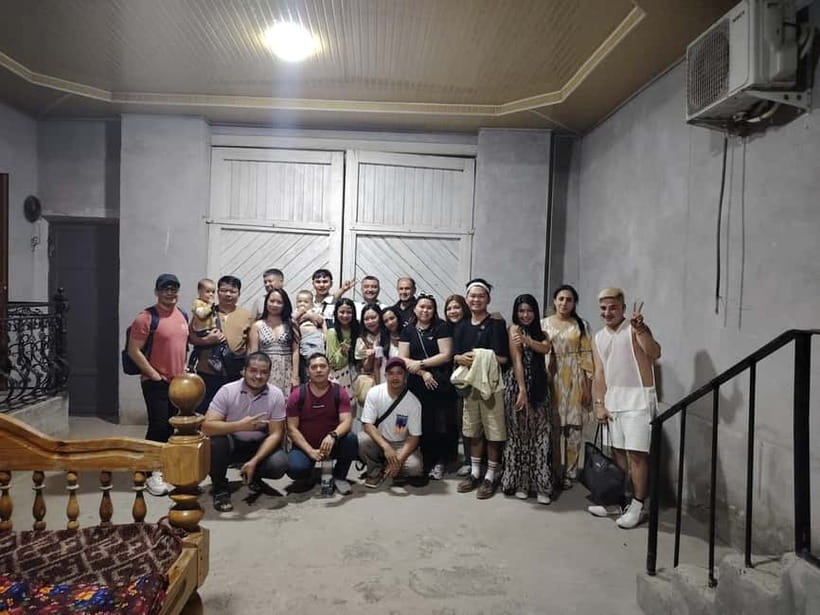
- A real home setting where you can learn daily culture, lifestyle, and table habits
Why a Ravot village cooking day feels different from a city class
A Samarkand cooking masterclass is usually a tradeoff. You either stay in town and it feels a bit staged, or you go farther out and you trade convenience for authenticity.
This one makes the “go farther” part worth it. You’re not just learning steps in a classroom kitchen. You’re cooking in the family environment of Ravot village, where food is part of routine, not a performance. Even the way ingredients are discussed tends to make sense fast, because you’re surrounded by everyday life.
I also like that this isn’t a one-thing lesson. You’ll have a chance to prepare a mix of Uzbek dishes, including salads and hot items, and you can choose options based on your preferences. That matters because a lot of cooking tours either force the same menu for everyone, or they rush you through steps with no time to ask questions.
And yes, you get the city flavor too. The Siab Bazaar stop is the on-ramp. It helps you understand what makes local Uzbek food different, before you start chopping and cooking.
Siab Bazaar timing, what to look for, and how Monday changes things
Siab Bazaar is the heart-beat of this half-day plan. The idea is simple: walk through a real market with a live English guide, learn what people buy and why, then bring some of that understanding into your cooking back in the village.
Two practical tips will help you enjoy it more:
- Go with curiosity about produce and spices. Local dishes often hinge on small choices, and the guide can connect those choices to what you’ll cook later.
- Ask about seasonal items. Even if you’re not sure what you’re seeing, someone who lives with these ingredients can explain the logic.
Now the important calendar note. Monday is day off for the bazaar, so if your schedule includes Monday, expect the bazaar portion to be limited or handled differently. The cooking and lunch/dinner part should still be the main event, but the market atmosphere may not be part of your day.
If you want maximum market time, aim for a non-Monday day. It’s the cleanest way to get both halves of the experience, market and village kitchen.
Still hungry? More Samarkand kitchens to sit in
- Samarkand: Village Tour with Plov Cooking Class & Home Visit
★ 5.0 · 29 reviews - Samarkand: Uzbek Cooking Class in a Village Home
★ 5.0 · 22 reviews - cooking traditional food in Samarkand with local people
★ 4.8 · 17 reviews - Private Samarkand Cooking Class with Market Tour & Transfers
★ 5.0 · 14 reviews
The village kitchen experience: o’choq heat, tandir bread, and real tools
What makes this masterclass feel practical is that you’re shown how cooking works with the tools and heat sources locals use.
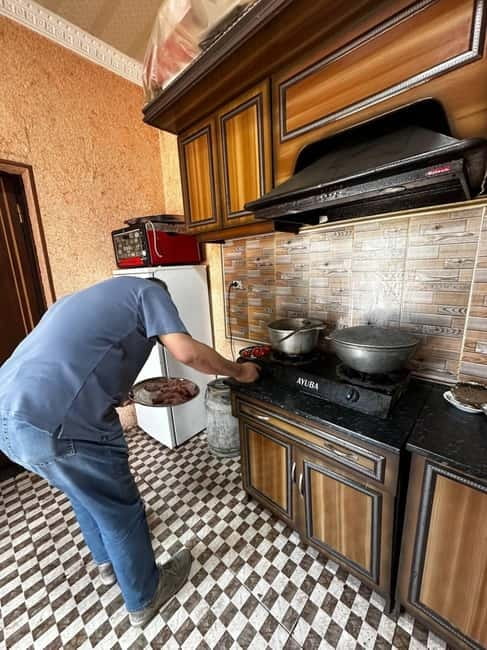
You can cook using gas or o’choq. That’s not just a wording detail. Different heat sources affect timing, browning, and how evenly something cooks. It’s the kind of thing you notice immediately once you stand close enough to smell what’s happening.
Then there’s the highlight for bread fans: baking in a tandir. A tandir is a traditional oven style that cooks with intense heat. Even if you’re not a bread expert, you’ll see how bread behaves in that environment. This is usually where the experience shifts from “class” to “I get it now.”
A couple of common-sense expectations:
- You may participate in prep, mixing, shaping, and cooking steps, depending on your group and flow that day.
- Some parts may be more hands-on than others. One participant previously said they expected more cooking time and got more watching time after a bit of vegetable prep. So if you want maximum hands-on action, ask early how much participation is planned and be ready to jump into tasks as soon as there’s an opening.
Also, the pace is village-realistic. People do things as they go. If you’re the type who wants everything timed down to the minute, bring a little patience. If you like conversation and learning the why behind food, you’ll do great.
Plov and Uzbek salads: what you can cook and how choices work
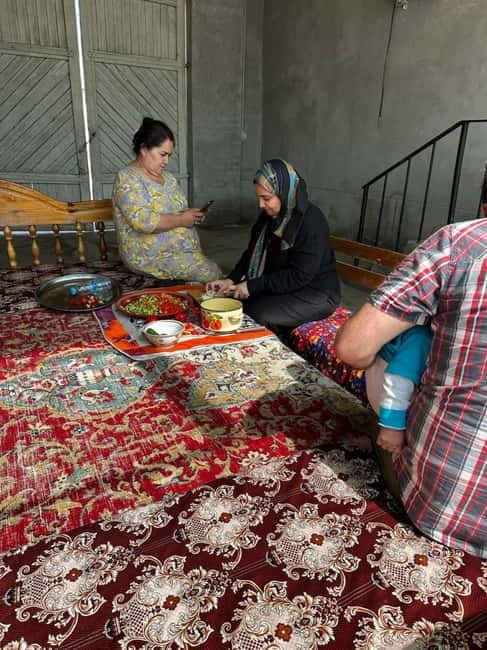
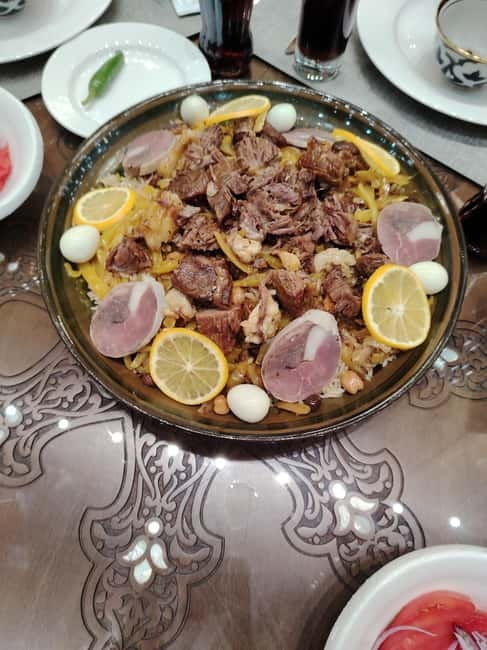
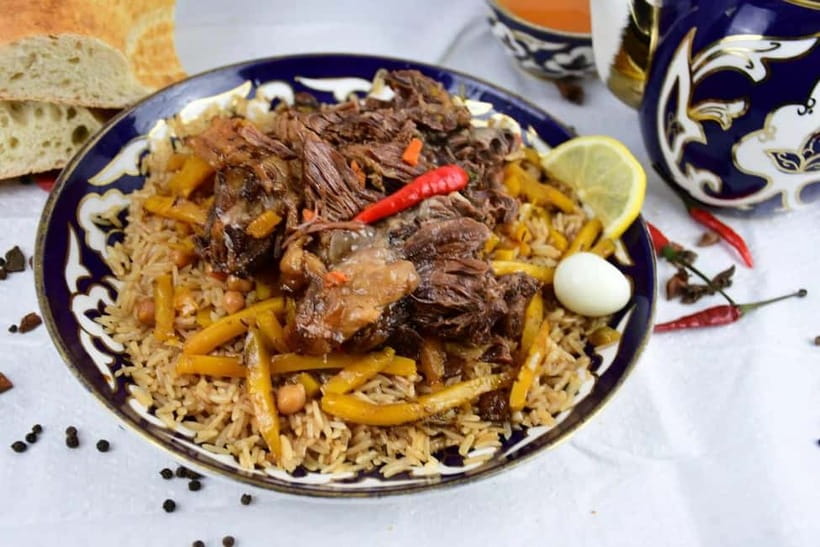
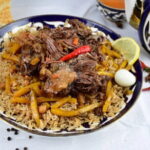
This experience is built around Uzbek comfort food, with plov usually at the center. Plov is more than a dish here. It’s a symbol of hospitality, and it’s a perfect food for learning because the process has multiple checkpoints.
Alongside plov, you can prepare a variety of Uzbek meals and salads. You’ll be able to choose options depending on your preference, which is a big deal if you’re vegetarian, avoiding certain flavors, or just want to focus on what you enjoy most.
Here’s what I’d watch for so your cooking day doesn’t feel vague:
- Make sure you understand the dish you chose. If you select plov and another hot dish like a second main, clarify what each one requires and how long it takes to cook properly.
- Ask about salads and what makes them Uzbek. Salads can feel simple, but in many Uzbek meals they’re there to balance richness, heat, and texture.
Even without a formal “menu reveal,” the structure should make sense: shop first, learn ingredients, cook the meal(s), then sit down to enjoy what you made. That full loop is why it lands for most people. You don’t just hear about flavor, you taste it.
If you’re food shopping in the bazaar beforehand, keep an eye out for spices and produce you recognize later. Matching what you saw at the stalls to what hits your plate is one of the best learning shortcuts.
Transportation and timing: 5 hours, 14 km out of town, smooth enough to relax
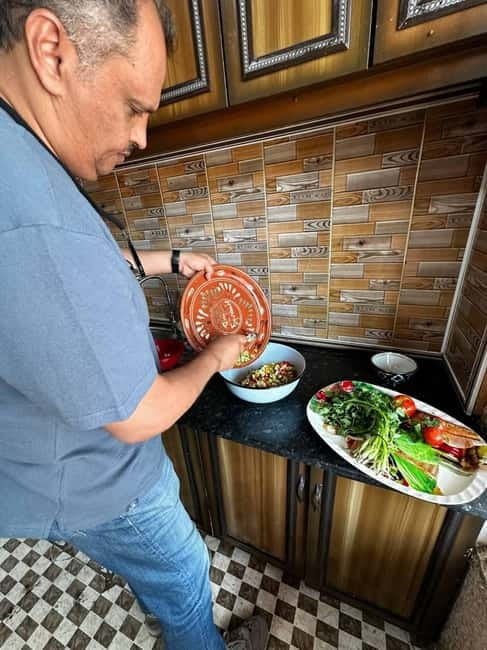
The tour is 5 hours total, and that timeframe matters because you’re balancing city market energy with village cooking time. Too long and it feels rushed. Too short and you miss the real cooking moments.
You’ll also get pickup from airport, hotel, or stations, plus drop-off back after. That takes stress off your day. In a place where public transport can be confusing if you’re short on language and navigation confidence, having transport arranged is a practical win.
The village where the class happens is 14 km from Registan Square. The road is described as not bumpy and with good quality. So you’re not signing up for a rough ride that steals your appetite. You can arrive ready to cook, not already exhausted.
Where timing gets tricky is the Monday bazaar closure. If your day is Monday, you may shift your expectations for the morning. The overall structure still centers on cooking and eating, but the market atmosphere may be different.
Lunch or dinner at the family table: why the meal is part of the lesson
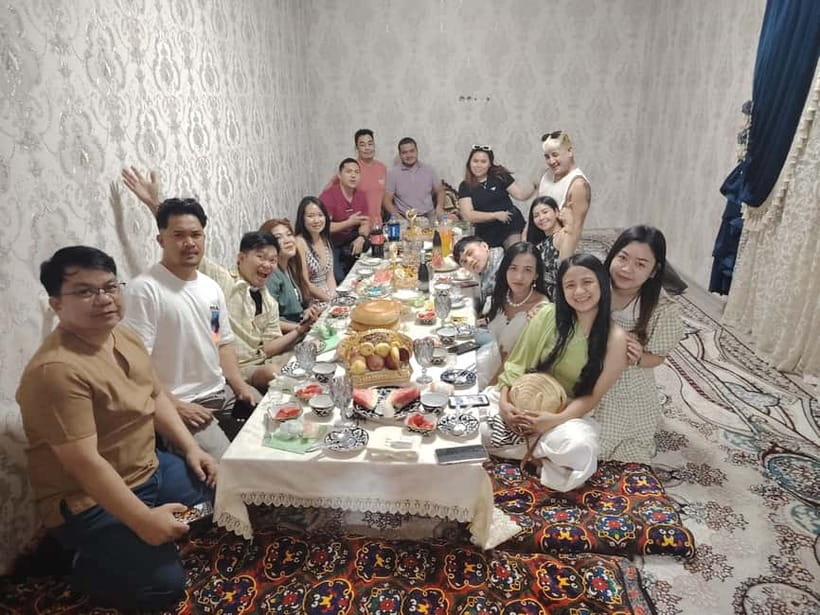
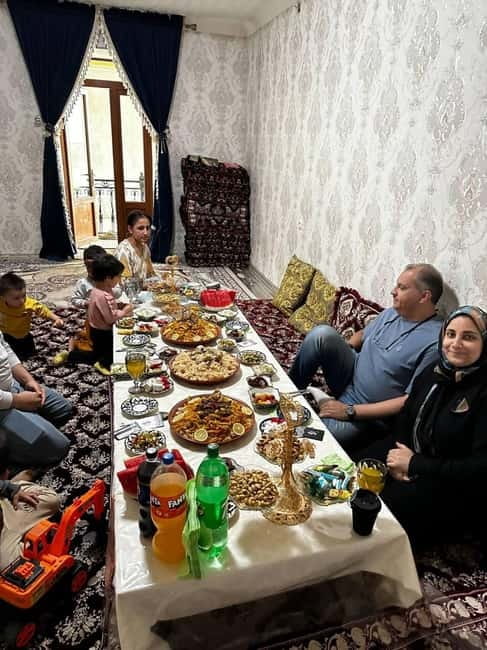
This isn’t a “we feed you after” situation. Lunch or dinner is included, along with salads, food, and beverages.
That matters because cooking classes often stop at the stove. Here, eating what you made becomes part of the educational loop. You can taste your food while it’s still connected to what you just learned. If the bread comes out with a certain texture in the tandir, you feel it right away. If the plov has that signature balance, you understand it in real time.
It also helps you connect with everyday Uzbek hospitality. The family side of the experience tends to be the emotional reason people remember the day. In similar home-cooking formats, you often get small culture moments, like garden time or family conversation, before the first dish hits the table.
One more practical point: bring an appetite and a little humility. Some foods will be new. Some textures will surprise you. The best way to enjoy the meal is to treat it as learning, not as a checklist.

Pricing and value: what $62 really covers
$62 per person for a 5-hour cultural cooking day can sound either steep or fair, depending on what’s included.
Here’s what you’re actually getting for the price:
- Pickup and drop-off from major points (airport, hotel, stations)
- An English live guide
- Siab Bazaar exploration (except Monday)
- The cooking masterclass in the village
- Lunch or dinner with salads, food, and beverages
When you add it up, you’re not just paying for recipes. You’re paying for market access, translation, transportation, and a meal that’s part of the experience, not an extra add-on.
If you’ve ever done a “food tour” where you snack for an hour and then end the day, this is different. It’s a full meal experience tied directly to what you cooked. For many people, that makes the value feel real fast.
One caution: it’s still a shared cultural experience, so exact hands-on time can vary. If you want to do the most chopping and stirring possible, be vocal when tasks are assigned. Ask what’s most suitable for you to take on.
Who should book, and who might want to choose another option
This is a great fit if you want:
- A more local day than typical city sightseeing
- A hands-on cooking experience centered on Uzbek staples
- A chance to ask questions in English and talk with the host family
- A meaningful market visit paired with village cooking
It may feel less ideal if:
- You want a strict “every minute I cook” format, with zero watching. Some parts may run more like demonstration plus participation rather than 100 percent hands-on.
- You are traveling on Monday and your top priority is market browsing. The bazaar day off will affect that portion of your schedule.
If your goal is comfort and learning through normal village routines, this checks a lot of boxes.
Also, you should know the host has rules: no weapons or sharp objects, no short skirts, no tight clothing, no explosives, and no nudity. That’s easy to follow with a little planning, and it helps keep the experience respectful and comfortable for everyone.
Practical tips to make the day smoother
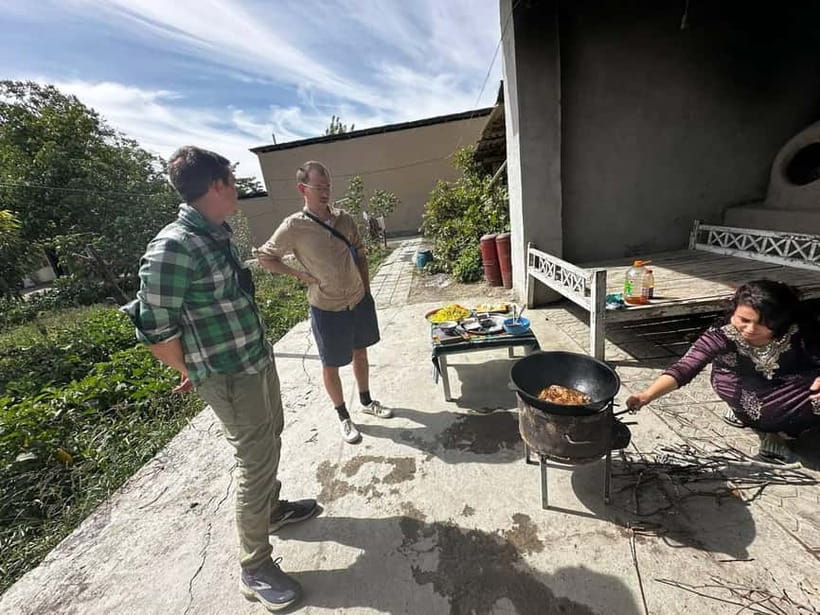
A few small choices can make a big difference:
- Wear modest, comfortable clothing. You’ll be moving between market and home spaces, and the host has clear guidance about short skirts and tight outfits.
- Bring shoes you can stand in for a while. Village cooking often involves standing near cooking areas and walking some distance inside and outside.
- Ask early about what you’ll cook. The class can adapt based on preferences, and choosing dishes that match your tastes helps you enjoy both the market phase and the finished meal.
- If you care most about hands-on cooking, tell the guide at pickup that you want to participate as much as possible. The host can often assign tasks accordingly.
And keep an open mind about pace. This is a home setting. It moves like people actually cook, not like a studio.
Should you book this Samarkand cooking masterclass?
Book it if you want an Uzbek day that goes past monuments and into real food routines: Siab Bazaar, a village kitchen in Ravot, and the chance to learn staples like plov plus tandir bread. The $62 price is strongest when you value the transport, the English guide, and the included meal.
Consider another option if you’re on a Monday and you mainly want bazaar atmosphere, or if you need a guaranteed, high-participation cook-every-step format. For everyone else, this is the kind of experience that teaches you how the food is made, and why people here eat the way they do.
The Full Uzbekistan Review Pile
More Samarkand Kitchen Tables
More of Uzbekistan we have reviewed
- Penjikent Day Trip From Samarkand★ 5.0 · 3 reviews
- Samarkand: Cooking class with local family★ 5.0 · 3 reviews
- Samarkand: city tour★ 4.7 · 3 reviews
- Bird Watching Tours in Samarkand★ 3.6 · 3 reviews
- Samarkand City Tour from Silk Paper Factory to Registan Square★ 5.0 · 4 reviews
- Shakhrisabz Private Day Tour from Samarkand★ 5.0 · 4 reviews
Samarkand Cooking Classes & Home Visits, compared.
 ★ 5.0Samarkand: Village Tour with Plov Cooking Class & Home VisitFrom $5929 reviews
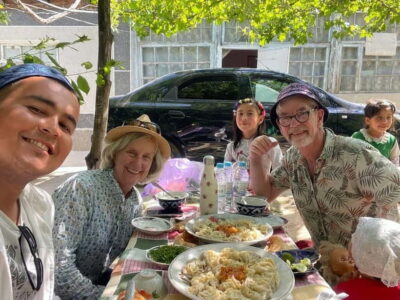 ★ 5.0Samarkand: Uzbek Cooking Class in a Village HomeFrom $5222 reviews
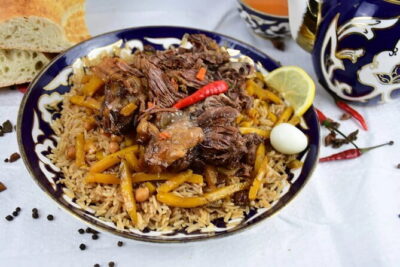 ★ 5.0Cooking class in Samarkand with local life experienceFrom $6319 reviews
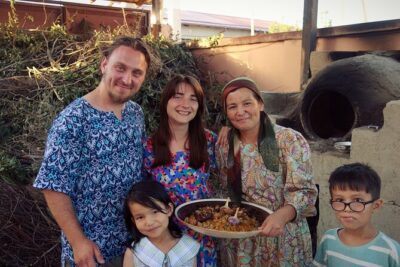 ★ 5.0Private Samarkand Cooking Class with Market Tour & TransfersFrom $7214 reviews
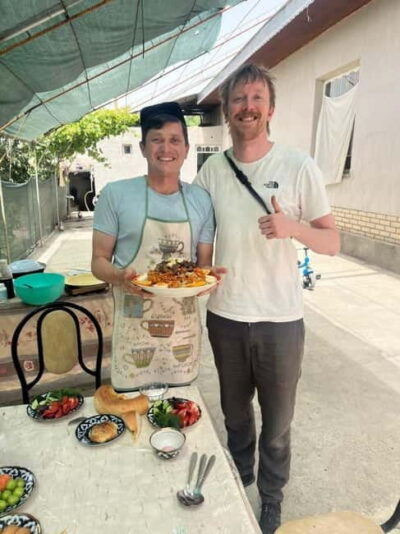 ★ 5.0Samarkand: Cooking class with local familyFrom $653 reviews
Browse the lists this tour appears in