
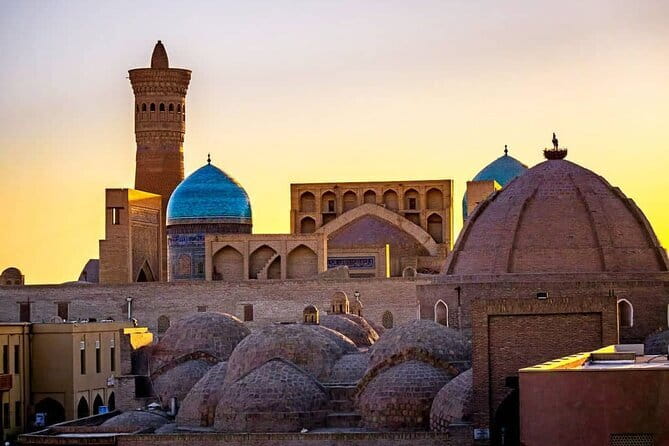
Review · BUKHARA
A Complete Chapter To Old Bukhara
Old Bukhara reads best on foot. This 3 to 4 hour walking route ties together the main monuments and the street-level rhythm of the city, and I especially loved Hamza’s clear explanations and the included entry at Bolo Hauz Mosque. One consideration: you will do a fair amount of walking, and the Magoki Attori carpet museum is not included in the price.
The experience also feels like good value for the time. The group stays small (up to 10), there is a mobile ticket, and the guide offers help with other bookings if you want to plan the rest of your day in Bukhara.
In This Review
- Key Points Worth Knowing Before You Go
- Old Bukhara Reads Best on Foot: The Big Idea
- Meeting at Magoki Attori Mosque and Getting Your Bearings
- Ark Bukhara: The Fortified Center That Explains Everything
- Bolo Hauz Mosque: The Included Entry Stop You Should Not Skip
- Kalon Minaret and Ulugʻbek Madrassasi: Learning the City’s Vertical Language
- Magoki Attori Mosque and Carpet Museum: Ticket Math and Why It Can Be Worth It
- Kosh Madrasah, Abdulaziz-Khan Madrassah, and Mir-i-Arab: Viewpoints That Still Teach
- The Walk-by Sections and How to Use Them
- Ismail Samani Mausoleum Finish and Bazaar Time
- Price and Practical Value at $55, Plus What You Need to Plan
- Who Should Book This Complete Chapter to Old Bukhara
- FAQ
- How long is the Old Bukhara walking tour?
- Where do you meet and where does the tour end?
- Is transport included in the price?
- What’s included in the tour price?
- Are tickets included for the Magoki Attori carpet museum?
- How big is the group?
- What is the cancellation policy?
Key Points Worth Knowing Before You Go
- Hamza’s explanations are the star: you get context, not just names and dates.
- A true walking route: the pacing works well for seeing a lot without feeling rushed.
- Some key entries are covered: Bolo Hauz Mosque and at least part of the Kalon Minaret experience are included.
- Some stops are view-only: several madrasas are best understood from outside, so don’t expect every door to open.
- You finish near the bazaar: if it’s open, you get a practical place to keep exploring right after the tour.
- Small group size: max 10 travelers, which makes questions easier and the walk more personal.
Old Bukhara Reads Best on Foot: The Big Idea
Bukhara can feel like a stack of monuments until you see how they relate to everyday life. This tour is built to help you connect the dots fast. You walk between major religious and educational buildings, but you also learn how the city’s layout and traditions explain what you are looking at.
I like tours that make you feel smarter without turning the day into homework. Here, the guide’s style is hands-on and clear, and you get the kind of context that makes a minaret, a courtyard, or a madrasa wall stop being just decoration. If you want Bukhara as a real city, not a museum display, this format helps.
Meeting at Magoki Attori Mosque and Getting Your Bearings
You start at the Magoki Attori Mosque and carpet museum area, at Mekhtar Anbar Str. 55. That’s a smart place to begin because you are immediately in the older texture of the city, where religious spaces and crafts sit close together.
The walk itself is the point. Expect short stops where you look, listen, and then move on. The itinerary is designed in small chunks, with multiple stops around 2 to 5 minutes, so you are never stuck in one spot too long. It’s also a practical way to handle the pace of Old Bukhara, where streets can be just busy enough to keep you alert.
A small tip from how this tour is structured: wear comfortable shoes and keep water handy on your own. Coffee and tea are not included, and the itinerary is built for walking, not long breaks.
Deeper into the Bukhara old town
- Best of Bukhara: All Day Private Old Town Tour
★ 5.0 · 66 reviews - Best of Bukhara: All Day Private Old Town Tour
★ 4.9 · 62 reviews - City Tour Around Bukhara
★ 5.0 · 55 reviews - Bukhara Full Day Old City Private Tour
★ 5.0 · 46 reviews
Ark Bukhara: The Fortified Center That Explains Everything
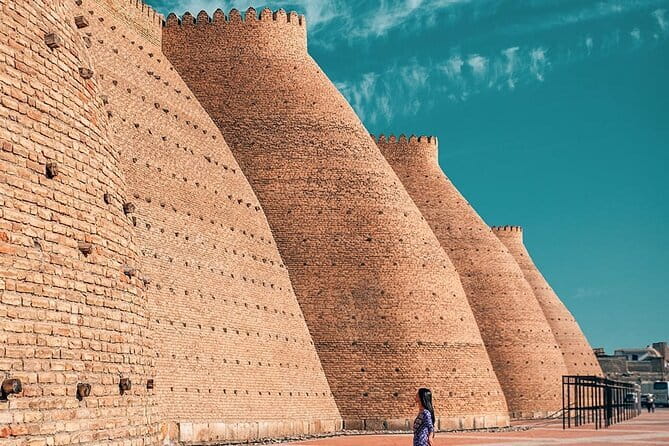
One of the most important stops is Ark Bukhara. Even if you just get a look at it from the right angles, the Ark helps you understand how power in Bukhara was organized. This is not a random landmark. It acts like a reference point for the rest of the city’s monumental story.
During this part of the walk, the goal is to connect what you see to why it mattered. You are moving through a city where religious institutions and state authority grew up side by side, and Ark Bukhara is the kind of place that makes that relationship feel real. It’s also a good reset point in the tour, because after the fortress area, the buildings start to look different in your mind, more purposeful and less ornamental.
If you are a history lover, you will probably find that Ark Bukhara makes later stops easier to interpret.
Bolo Hauz Mosque: The Included Entry Stop You Should Not Skip
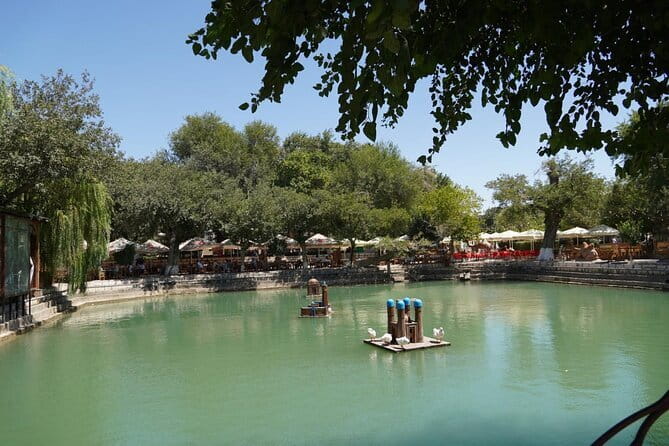
Bolo Hauz Mosque is one of the few clearly ticketed highlights in this itinerary, and that matters for planning. Admission is included for this stop, so you can spend your time inside without worrying about an extra payment at the doorway.
A short stop like this can still be worthwhile when you know what to look for. This is where the guide’s explanations really pay off. You will learn what to notice in the space, and why certain details show up in Bukhara’s religious architecture again and again.
The timing also works well. The itinerary lists this as a brief visit, so you do not lose the flow of the day. You get a focused experience, then you are back outside, walking to the next big vertical landmark.
Kalon Minaret and Ulugʻbek Madrassasi: Learning the City’s Vertical Language
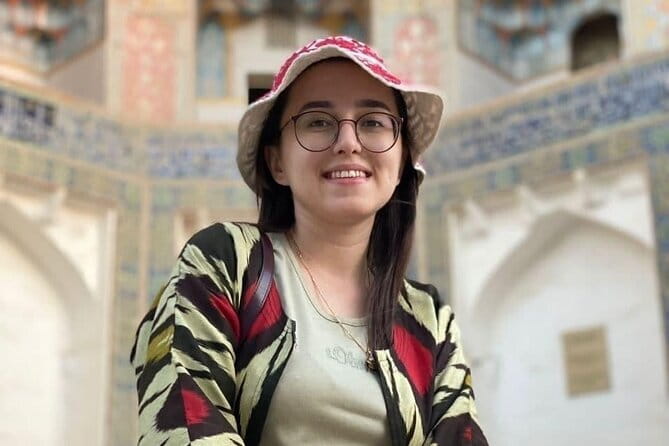
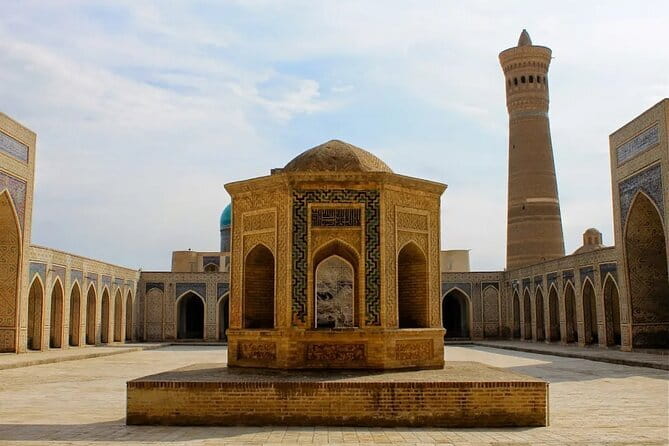
Two stops in the middle of the route help you read Bukhara from a distance: the Great Minaret of the Kalon and Ulugʻbek madrasasi (madrassah). These are the kinds of places where scale matters, and walking helps you see scale changes as you move.
The Kalon Minaret appears more than once in the itinerary with different ticket notes. One segment is listed as free, and another includes admission. Practically, that means you should expect a mix of outside viewing and at least one time where entry is part of the experience. Either way, the minaret is a natural anchor for photos and orientation, so even a short stop feels like a payoff.
Ulugʻbek madrasasi is listed with free admission. That’s great because it lets you spend time learning rather than budgeting for every door. With the guide’s context, madrasas start to make more sense: not just impressive buildings, but educational centers with a specific social role in the city.
If you only do a “quick look” at religious schools, you miss their function. This tour helps you avoid that trap by giving you interpretive framing, even during a short stop.
Magoki Attori Mosque and Carpet Museum: Ticket Math and Why It Can Be Worth It
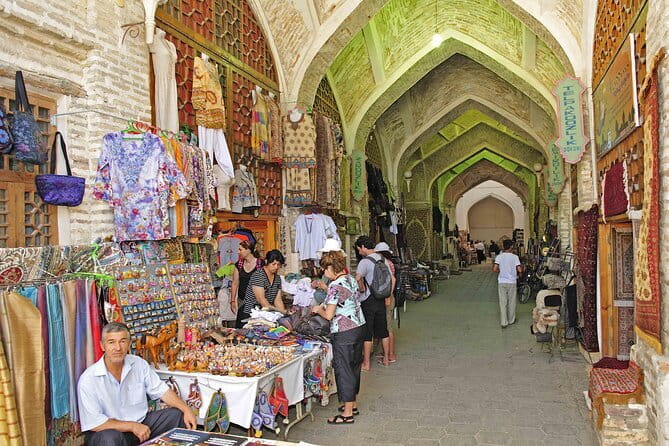
Magoki Attori Mosque and carpet museum is included as a stop, but the admission is listed as not included. So you have a decision to make.
If you care about crafts and textiles, the museum angle is often the kind of context you cannot get from streets alone. Even if you do not go deep, it can still be a helpful contrast to the architecture-heavy parts of the day. On the other hand, if you prefer to spend your money on entrances that are already covered, you might focus on the mosque portion and treat the museum as optional.
This is one of the few spots where your preferences can change the day. Since the tour does not include admission here, you should budget for it if you think you will want to see the carpets and related exhibits. Also remember: coffee and tea are not included, so if you want a break after the museum, plan for it outside the tour structure.
Kosh Madrasah, Abdulaziz-Khan Madrassah, and Mir-i-Arab: Viewpoints That Still Teach
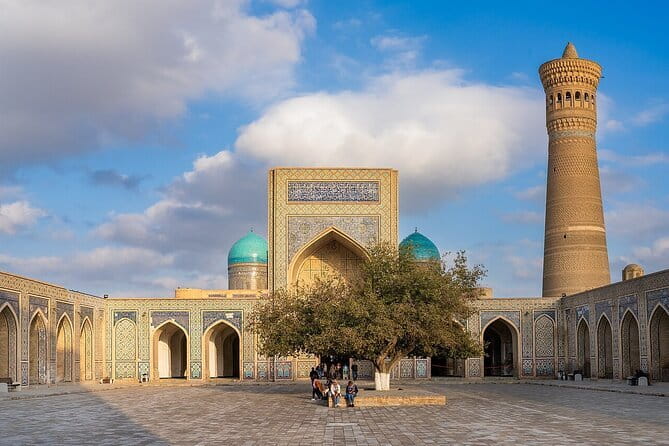
Several of the itinerary entries are listed as around, meaning you will likely see these madrasas from outside rather than entering. Kosh Madrasah and Abdulaziz-Khan madrasah are both handled this way, and Mir-i-Arab Madrasa is also listed as see around.
This might sound limiting on paper, but it can actually be a smart way to travel. When you view madrasas from different angles, you start noticing how they form parts of larger complexes. In a place like Bukhara, the street-to-courtyard relationship is part of the story. Even if you do not go inside every building, the outside view still helps you understand the layout.
The best use of these view-only stops is mental. Let the guide’s explanation connect what you are seeing to how these schools worked and how religious learning fit into neighborhood life. With a good guide, even a two-minute look can become meaningful.
The Walk-by Sections and How to Use Them
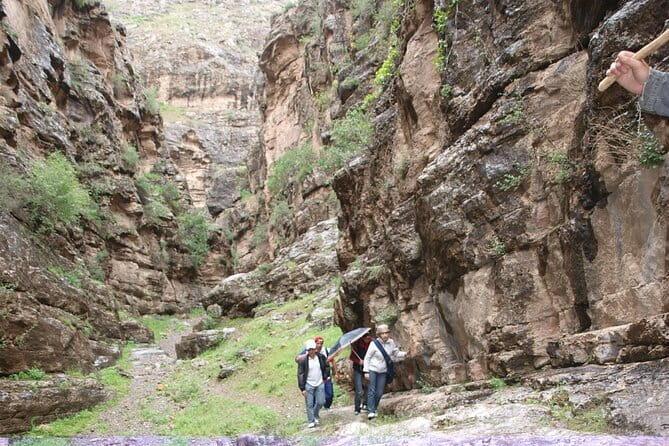
You also get a walk by stop in the itinerary. Walk-by moments are not filler if you use them correctly. Instead of treating them like a pause, treat them like a moving snapshot of Old Bukhara’s real streets.
When you are mid-tour, your eyes start to change. You begin spotting architectural patterns faster, like how entrances line up, how shapes repeat, and how religious landmarks sit close to everyday activity. Those walk-by bits are often where you get that “now I see it” effect.
If you find yourself drifting, just ask the guide what you should watch for during the next couple of streets. A small group setup makes that easier.
Ismail Samani Mausoleum Finish and Bazaar Time
The tour ends near the Ismail Samani Mausoleum, with time to explore the bazaar if it’s open. This is a practical, satisfying way to end, because the day shifts from monuments to local life.
That bazaar connection is more than a nice bonus. Ending here means you can immediately test what you learned about the city. You have a better sense of where you are and why certain buildings matter, and you can keep enjoying Bukhara as a living place, not just a schedule of stops.
Also, the end location is described as near the local bazaar, which makes it easier to continue your own wandering afterward. If you still have energy, you can build the rest of your route around what looks interesting rather than being boxed into the tour’s last minutes.
Price and Practical Value at $55, Plus What You Need to Plan
At $55 per person for a 3 to 4 hour walking tour, the value comes down to three things: guide time, small group size, and which admissions are included.
Here’s what is clearly covered in the tour structure:
- Guide service and a real walking tour format
- 24/7 support
- Help with other bookings and other help as needed
- Walking-based route with key stops that include admission for Bolo Hauz Mosque
- Ulugʻbek madrasasi is listed as free admission
- Kalon Minaret has mixed ticket notes, with at least one segment marked included
What is not included:
- Coffee and/or tea
- Transport
- Other entrance fees, taxes, and any admissions specifically listed as not included, like the Magoki Attori carpet museum
So is it worth it? For me, yes, when you like history with context and you want a guide who explains as you go. The included entry points reduce small surprise costs, and the small group size makes the experience feel like a guided walk rather than a lecture line.
The main thing you still need to plan is logistics around food and optional entrances. Since you are walking, build a simple snack-and-water strategy. If you want the carpet museum, decide ahead of time so it doesn’t feel like a last-second add-on.
Who Should Book This Complete Chapter to Old Bukhara
Book this tour if you want:
- A compact, walkable way to see major Old Bukhara landmarks
- A guide who explains in an engaging, detailed way (Hamza is the guide for this experience)
- A finish near the Ismail Samani Mausoleum bazaar so you can keep exploring afterward
- A small group experience where questions are easy
You might think twice if:
- You dislike walking, even short stops add up over a 3 to 4 hour window
- You want every stop to be included with entry tickets, because Magoki Attori carpet museum is listed as not included, and several madrasas are view-only
This tour works especially well for first-time visitors who want to get oriented fast, and for repeat visitors who like learning the city’s patterns rather than checking off only famous names.
FAQ
How long is the Old Bukhara walking tour?
The tour lasts about 3 to 4 hours, depending on the walking pace and timing of stops.
Where do you meet and where does the tour end?
You meet at the Magoki Attori Mosque and carpet museum area (Mekhtar Anbar Str. 55, 200118, Buxoro). The tour ends near the Ismail Samani Mausoleum, close to the local bazaar of Bukhara, where you may have time to explore if it is open.
Is transport included in the price?
No. Transport is not included.
What’s included in the tour price?
The price includes guide service, 24/7 support, a walking tour, and help with other bookings or other assistance. Some specific admissions are also listed as included for certain stops.
Are tickets included for the Magoki Attori carpet museum?
No. The Magoki Attori Mosque and carpet museum stop is listed as admission ticket not included.
How big is the group?
The tour has a maximum of 10 travelers.
What is the cancellation policy?
You can cancel for free up to 24 hours before the experience starts for a full refund. The experience also depends on good weather, and it may be rescheduled or refunded if the minimum number of travelers is not met.
Should you book it? If you want Old Bukhara to make sense fast, with a guide like Hamza who explains clearly as you walk, this is a strong pick. Just come with comfortable shoes and a small budget for any optional admissions like the carpet museum.
The Full Uzbekistan Review Pile

Keep Walking Bukhara
More of Uzbekistan we have reviewed
- Full-Day Private Guided Tour to Islamic 7 Saints of Bukhara★ 4.5 · 3 reviews
- Uzbekistan 8 Days Private Guided Tour★ 4.6 · 3 reviews
- A Complete Chapter To Old Bukhara★ 5.0 · 5 reviews
- 2 – Days Guided Tour of Samarkand and Bukhara from Tashkent★ 5.0 · 5 reviews
- Bukhara Walking Tour★ 5.0 · 4 reviews
- A Group Walking Tour Of Old Town★ 5.0 · 8 reviews
Bukhara Old Town & Heritage Tours, compared.
 ★ 5.0Best of Bukhara: All Day Private Old Town TourFrom $6566 reviews
★ 4.9Best of Bukhara: All Day Private Old Town TourFrom $6462 reviews
★ 5.0Best of Bukhara: All Day Private Old Town TourFrom $6566 reviews
★ 4.9Best of Bukhara: All Day Private Old Town TourFrom $6462 reviews
 ★ 5.0Bukhara Full Day Old City Private TourFrom $8546 reviews
 ★ 4.5Bukhara One Day Tour – Departure From TashkentFrom $24937 reviews
 ★ 5.0Private Guided Tours in Bukhara with Several OptionsFrom $5034 reviews
 ★ 4.9All You Need To Know About Bukhara. A Walk In The TownFrom $5531 reviews
 ★ 5.0One-Day Private Tour in the Old Town of BukharaFrom $6724 reviews
 ★ 4.4Bukharian Bath in Ancient Hammam with MassageFrom $6719 reviews
Browse the lists this tour appears in