
Review · TOURS
Bird Watching Tours in Samarkand
Samarkand has mountains, birds, and river reeds. This 1-day bird watching outing takes you from town to the Zeravshan tugai woodlands and onward to Aqdarya (Ishtixan), with about 7 hours spent scanning for the species you came for, guided in English.
I especially like two things. First, you bird in the right places, river groves, poplars, salt cedar, tamarisk, and scrub where birds actually show up. Second, you get real field support, binoculars and a telescope, plus lunch built into the day so you are not guessing where to eat or whether you have time.
One thing to consider is that birding results can vary, and the program’s species list is not a guarantee. Even with a friendly guide, one past booking pointed out that the tour can feel more general than deeply ornithology focused, and timing, like late dry season, can reduce the number of species you see.
In This Review
- Key highlights in plain birding terms
- How the Zeravshan and Ishtixan habitats shape your birding day
- First stop: Zeravshan nature reserve near Samarkand’s river woods
- Aman-Kutan hiking and picnic, where you cover ground without rushing
- Aqdarya reserve (Ishtixan): poplars, tamarisk, and the birds that like edges
- What birds can you really expect, and how the season changes the odds
- Is $170 per group up to 2 good value, with binoculars and lunch?
- The field kit that makes a difference, binoculars, telescope, and how to behave
- Who should book this Samarkand bird watching tour
- Should you book Bird Watching Tours in Samarkand?
- FAQ
- Where do I get picked up for the bird watching tour?
- What bird watching locations are visited?
- How long is the tour?
- How much does it cost?
- Is lunch included?
- Do I get binoculars or telescope?
- What language is the guide?
- What is not included in the price?
- What rules should I follow during the tour?
- Is this tour private?
Key highlights in plain birding terms
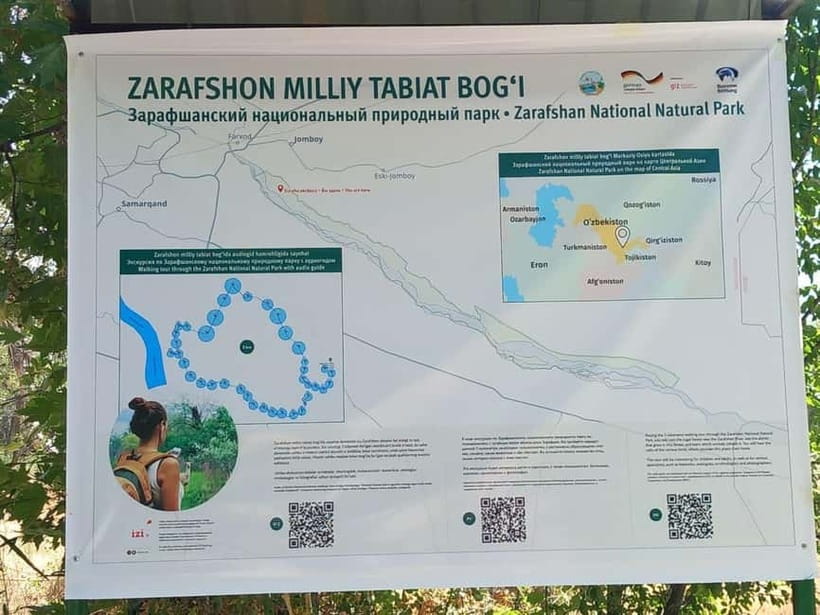
- Two reserves, different habitats: Zeravshan river woods plus Aqdarya (Ishtixan) with poplars and tamarisk
- Long on-foot time: 3.5 hours of walking and 3.5 hours of hiking, aimed at finding birds
- Field gear included: binoculars and a telescope, plus you are also encouraged to bring binoculars
- Lunch handled well: lunch is included, and you eat in the middle of the day during birding
- A species-focused route: the day is built around target birds, from woodpeckers to herons
- Private group feel: it is set up as a private outing for up to 2 people
How the Zeravshan and Ishtixan habitats shape your birding day
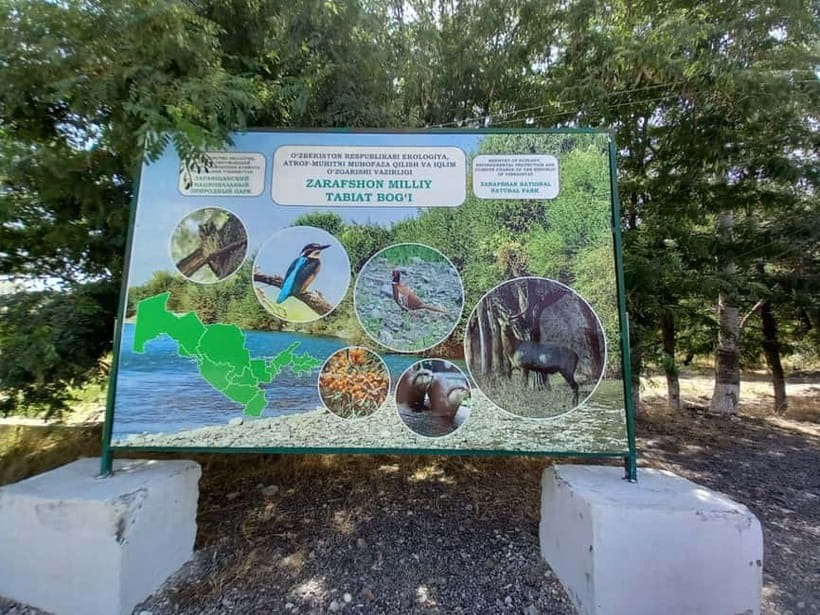
This tour works because it is not just about stopping at viewpoints. It is about habitat, the kind birds choose, then watching how they move through that habitat. You start in river-adjacent woodland, then shift to a different reserve landscape where reed and scrub species can show up.
You will spend your day scanning, pausing, and walking. That rhythm matters. A bird that looks impossible from the trail often appears once you stand still, watch the edges, and look for motion in branches and along the waterline.
One practical note: the plan is described as 1 day, with about 7 hours of bird watching. At the same time, it can run in the 5 to 6 hour range depending on pace and how the afternoon goes. Either way, you should plan for a focused half to full day outdoors.
First stop: Zeravshan nature reserve near Samarkand’s river woods
You begin with hotel pickup in Samarkand, then drive to the Zeravshan Natural Reserve, about 15 km from the city in the western Zeravshan river basin. The setting is the key. You are looking for birds in the tugai woods, the river groves where trees and shrubs form travel corridors.
This is where species tied to wooded river edges can show up. The tour focuses your attention on birds such as Turkestan Tit, Night Heron, White-winged Woodpecker, and Shikra, plus a handful of other targets that fit the same habitat mix.
What makes this stop especially fun is the search style. You are not just waiting for something rare to fly by. You are moving through a living system of groves along the river, where small birds hop along edges, and larger birds may hold still near cover.
As a bonus, you get a photo stop early in the day. That is useful because it gives you a quick chance to orient yourself before the serious walking starts.
Still weighing it up? Here are other Uzbekistan tours we have written up.
- Samarkand: Historical Monuments Guided Walking Tour
★ 4.8 · 446 reviews - Private Samarkand City Tour With Transportation
★ 5.0 · 149 reviews - A City Tour Of Samarkand: The Pearl Of The East
★ 5.0 · 133 reviews - Full Day Private Tour in Seven Lakes from Samarkand
★ 5.0 · 94 reviews
Aman-Kutan hiking and picnic, where you cover ground without rushing

After Zeravshan, the day shifts toward Aman-Kutan, where the schedule includes lunch, a picnic, and about 3.5 hours of hiking. This is the part that turns birding from scanning into real birding. When you hike, you get new angles, new feeding zones, and more chances to catch birds moving between patches of cover.
The tradeoff is obvious: hiking takes energy, so you want to be comfortable walking. If you arrive already tired, you will end up seeing less, mostly because you will rush rather than stop and look.
This is also the stage where you should use a simple strategy. Pick a few targets from the list, then watch for the behaviors that match them, rather than trying to find every bird at once. That approach helps you enjoy the common birds too, like house sparrow, laughing dove, and Eurasian magpie, which are mentioned as part of what you might encounter in the area.
Aqdarya reserve (Ishtixan): poplars, tamarisk, and the birds that like edges
Next comes the Aqdarya reserve (Ishtixan), about 60 km from Samarkand. Lunch is planned here, and the habitat changes again. You are surrounded by poplars, including Populus alba, along with salt cedar and tamarisk, plus bushes that create layered cover.
That structure matters for birding. Many birds use the edges where open areas meet shrubs and taller trees. The day’s focus here includes birds such as Gray Heron, Sandpiper, Common Hoopoe, and Black Vulture, along with smaller singers and swallows that can be trickier to spot if you do not keep scanning steadily.
The listed targets include Hume’s Short-toed Lark, White-throated Robin, Orphean Warbler, and Red-rumped Swallow. Even if you do not get every single one, the habitat type is still valuable because it supports a whole mix of bird behaviors, walking, hovering, perched singing, and movement along water-adjacent zones.
A good practical expectation: you will likely see both hoped-for species and plenty of birds you recognize instantly. In at least one account, the afternoon near a water area delivered lots of familiar birds, even when the overall number of rare species can be lower.
What birds can you really expect, and how the season changes the odds
This kind of tour is built around target species, so it is fair to ask: will you see them? The honest answer is that sightings depend on timing and conditions. One booking noted that late dry season is not always the best time for a wide spread of species, even though it can still produce highlights.
Here is a helpful way to think about it. The route gives you access to environments where these birds live. If conditions line up, you can get lifers fast. In one described experience, a guest picked up multiple lifers in a short period, including White-winged Woodpecker, Eurasian Hobby, and Red-tailed Shrike.
At the same time, another booking felt that the outing did not deliver the specialized birds named in the program, saying the guide was not acting like a true ornithology specialist. That is the key consideration for your expectations. A great guide can increase your odds, but birding is still nature. You should be ready for a mix of results, including common species alongside rarer ones.
Also, a few birds are specifically mentioned as part of the local mix, like house sparrow and laughing dove. That is not a consolation prize. Often, enjoying the ordinary birds is what makes long scanning sessions feel worth it.
Is $170 per group up to 2 good value, with binoculars and lunch?
At $170 per group for up to 2 people, this is priced like a private, guided field day, not a mass tour. The value comes from what is bundled together.
You get:
- Hotel pickup and drop-off
- An experienced English guide
- All entry tickets and donations
- Binoculars and a telescope
- Lunch
That matters because reserves can have entry requirements, and the gear plus transport can quickly add up if you do it on your own. The lunch is also a real time saver. Bird watching tours that skip food often force you into a late scramble, and that usually kills your afternoon focus.
The only clear omission is alcohol. The tour also has clear rules around smoking and not touching wildlife or plants, which is normal for responsible reserve visits. Bring your best water bottle habits and plan for a long time outside.
If you are traveling as a couple or pair, private format is a big deal. You get to slow down, ask questions in English, and spend less time waiting for a larger group.



The field kit that makes a difference, binoculars, telescope, and how to behave
You might think you need only binoculars, and sure, that helps. But the tour includes binoculars and a telescope, and you are still encouraged to bring your own binoculars. That is smart. Different people have different comfort levels with focus and eye relief, and your own pair is often easier to use quickly.
One of the best ways to get more out of a bird day is simple discipline: look for movement, scan edges, and do not rush the moments when birds freeze in place. If you are standing still, you often see more than when you are walking and scanning at the same time.
Also, follow the rules. Smoking is not allowed, including in the vehicle and indoors, and alcohol and drugs are not allowed. Touching animals and plants is also prohibited. These are not just restrictions, they protect the habitat you are there to watch.
Who should book this Samarkand bird watching tour
You will likely enjoy this most if you want a structured day in two reserves, and you like the idea of learning birds through guided scanning. It is also a good match if you travel in a small group and prefer a private pace.
It is not a fit for everyone. The tour data says it is not suitable for pregnant women and babies under 1 year. If you have mobility limits, you should think carefully because the day includes extended walking and hiking.
You should also check your expectations if you are chasing a very specific target list. This outing can be a strong lifer day, but birding success is not guaranteed, and guide depth can vary.
In one highlighted experience, the guide Elior was described as extremely kind, and that kind of calm leadership helps in the field. When you are trying to spot small birds or birds that stay hidden, a patient guide makes the day feel smoother.
Should you book Bird Watching Tours in Samarkand?
Book it if you want a focused private birding day in Uzbekistan, with entry tickets, guide, and lunch included, plus the practical bonus of binoculars and a telescope. It is especially appealing if you value river and woodland habitat and you like walking through a reserve rather than just looking from a single point.
Consider holding off or asking extra questions first if you are set on seeing every named species. One past booking said the tour did not feel like a true ornithology deep-dive, and another noted that late dry season can lower the number of species you encounter. In other words, the route gets you into prime habitat, but nature controls the final checklist.
If you like the idea of chasing birds while also enjoying common species close up, this is the kind of day that can make Samarkand feel like more than architecture and bazaars.
FAQ
Where do I get picked up for the bird watching tour?
Pickup is included from your hotel in Samarkand, and you meet your guide and driver there.
What bird watching locations are visited?
You visit Zeravshan Natural Reserve and Aqdarya reserve (Ishtixan), plus you spend time around Aman-Kutan during the day.
How long is the tour?
It is listed as a 1-day tour. The day includes about 7 hours of bird watching, and the walking and hiking portions are each about 3.5 hours.
How much does it cost?
The price is $170 per group for up to 2 people.
Is lunch included?
Yes, lunch is included. Lunch is planned during the reserve day and you also have a picnic during the hiking portion.
Do I get binoculars or telescope?
Yes. Binoculars and a telescope are included, and you are also asked to bring binoculars.
What language is the guide?
The live tour guide is English.
What is not included in the price?
Alcohol is not included.
What rules should I follow during the tour?
Smoking is not allowed (including in the vehicle and indoors). Alcohol and drugs are not allowed, and you also must not touch animals or plants.
Is this tour private?
Yes, it is a private group tour.
More Tours Around Uzbekistan



The Full Uzbekistan Review Pile
More of Uzbekistan we have reviewed
- Penjikent Day Trip From Samarkand★ 5.0 · 3 reviews
- Samarkand: Cooking class with local family★ 5.0 · 3 reviews
- Samarkand: city tour★ 4.7 · 3 reviews
- Bird Watching Tours in Samarkand★ 3.6 · 3 reviews
- Samarkand City Tour from Silk Paper Factory to Registan Square★ 5.0 · 4 reviews
- Shakhrisabz Private Day Tour from Samarkand★ 5.0 · 4 reviews
Tours, compared.
 ★ 4.8Samarkand: Historical Monuments Guided Walking TourFrom $20446 reviews
 ★ 5.0Samarkand One Day Tour – Departure From TashkentFrom $219313 reviews
 ★ 5.0Private Samarkand City Tour With TransportationFrom $54149 reviews
 ★ 5.0A City Tour Of Samarkand: The Pearl Of The EastFrom $16133 reviews
 ★ 5.0Tashkent City TourFrom $69121 reviews
 ★ 5.0Full Day Private Tour in Seven Lakes from SamarkandFrom $10094 reviews
 ★ 4.4Samarkand One Day Tour: one day walking & group tourFrom $2587 reviews
 ★ 4.8Full- Day Tour Tashkent: Amirsoy, Chimgan and Charvak lakeFrom $3977 reviews