
Review · UZBEK CRAFTS
Legends and Crafts: Suzani Masterclass & Cultural Immersion
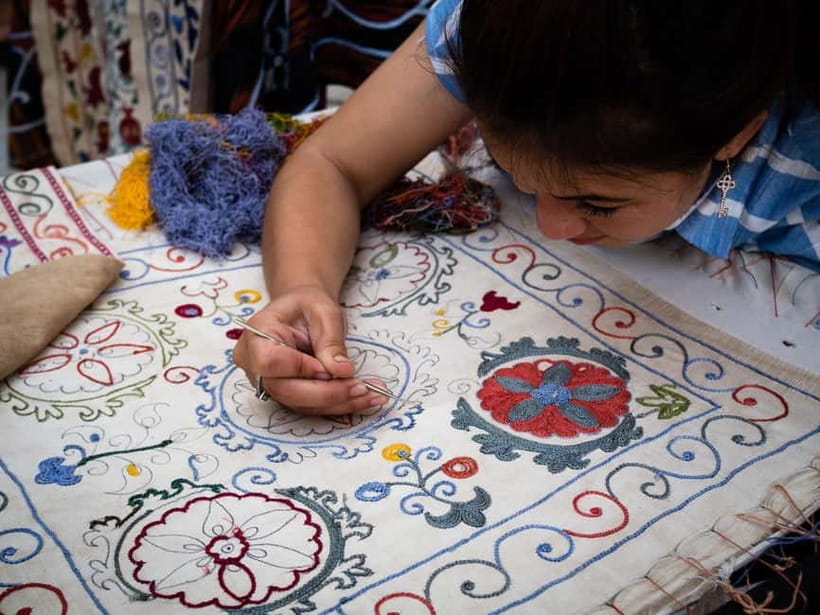
Thread by thread, Uzbek stories take shape. In Tashkent Province, this hands-on experience blends a guided stop at Navruz Park with a Suzani embroidery class and a traditional Uzbek meal, all wrapped up into one smooth half-day outing.
What I like most is the quality of the guide. Yusuf, and sometimes Yulia or Giulia, comes across as patient and genuinely excited to answer questions, from craft details to everyday life in the city, in clear English.
The second big win is that you leave with something real. You create a small Suzani piece with symbolic meaning, plus materials and guidance so you are not just watching. The one thing to keep in mind is that this is a short class, so you are making a starter-size souvenir, not a full, complex embroidery project.
In This Review
- Key things you will notice right away
- Suzani embroidery and Silk Road craft stories in Tashkent
- Navruz Park: where Uzbek crafts get the legend treatment
- Silk Road influence, Uzbek textiles, and the meaning behind patterns
- Jewelry and metalwork: protection and luck you can read in the design
- Your Suzani embroidery masterclass: what you actually make
- The included Uzbek meal: plov and the garden setting
- Price and value: is $90 fair for this much cultural work?
- Timing in Tashkent: schedule it early for the best payoff
- Who this Suzani experience suits best
- Should you book this Suzani Masterclass and Cultural Immersion tour?
- FAQ
- Where is pickup, and how do I find the driver?
- How long does the experience last?
- Is this tour private?
- What languages are available for the live tour guide?
- What will I make during the Suzani masterclass?
- What is included in the traditional Uzbek meal?
- Is pickup optional?
- Can I cancel for a full refund?
- How does reserve now, pay later work?
Key things you will notice right away
- Yusuf and the team are patient teachers, with English that is easy to follow
- Navruz Park connects crafts to stories, not just products on a shelf
- You learn basics of Suzani stitching and the symbolism behind the motifs
- You see how Silk Road trade shaped textiles and ceramics, and why they mattered
- You get a take-home embroidered piece, with meaning beyond a fridge magnet
- The included plov lunch is part of the culture lesson, served in a calm setting
Suzani embroidery and Silk Road craft stories in Tashkent
Tashkent can feel big and modern, but Uzbek crafts carry older rhythms. This experience is built around that contrast. You start with cultural context, then you create an item people traditionally made for protection, good fortune, and family pride. That shift, from story to stitch, is what makes it satisfying.
I also like the fact that it is not only about embroidery. You get time with the broader craft world, including Uzbek textiles like ikat and embroidery, plus jewelry and metalwork traditions where designs reflect protective and luck-bringing beliefs. It helps you understand why Suzani patterns are not random decoration.
And the pacing is sensible for a first visit to the city. In just 3 to 3.5 hours, you get a guided cultural tour, a workshop outcome, and a full meal that feels like it belongs to the same theme.
Navruz Park: where Uzbek crafts get the legend treatment
Your morning begins at Navruz Park, an ethnographic park where the guide explains history and legends tied to craft traditions. The key value here is interpretation. Instead of hearing a list of materials, you learn how these objects lived in people’s lives, including what they were believed to protect or bring.
Expect a guided walk that connects craft to place. You will hear how Uzbekistan became an important link on the Silk Road, helping crafts travel across Asia and toward Europe. The influence shows up in what people made, and in why textiles and ceramics were so valuable. In this worldview, objects are not just for use, they are also carriers of blessings and good fortune.
This stop also helps you shop later. Even if you are not buying anything today, you start recognizing quality cues and symbolism. One of the most practical benefits of a tour like this is that it gives you a mental map, so the markets do not feel like chaos.
More hands on with Uzbek craft
- Tashkent: Uzbek Culture, Food, Crafts & Pottery Masterclass
★ 5.0 · 24 reviews - Legends and Crafts: Suzani Masterclass & Cultural Immersion
★ 5.0 · 11 reviews - Samarkand: Uloq-Kopkari (Buzkashi) Game Day Tour
★ 5.0 · 3 reviews
Silk Road influence, Uzbek textiles, and the meaning behind patterns
After Navruz Park, the cultural thread continues. You learn how the Silk Road shaped local craft traditions, and why textiles were prized along trading routes. The guide covers the idea that these textiles were believed to carry good luck and protection. That matters because Suzani motifs are usually explained as symbolic, not purely decorative.
You will also see different textile styles, with mention of ikat and embroidery traditions. Even if you are not a fabric expert, it helps to hear how technique connects to identity. Uzbek textiles often reflect regional styles and family or community meaning, so patterns can act like a visual language.
There is also a stop connected to Uzbek dolls. The idea is simple but fun: each doll represents different regions, and the shapes and symbols tie to local legends and superstitions. It is a small detail, but it reinforces the same theme again and again, that crafts are stories you can hold.
Jewelry and metalwork: protection and luck you can read in the design
A big part of Uzbek craft belief systems shows up in jewelry and metalwork. Here, the guide connects design choices to protective and good luck meanings. You might notice recurring patterns, and the guide helps you understand what people thought those choices would do.
This is useful even if jewelry is not your thing. It explains the mental framework behind Suzani. When a craft tradition treats objects as protective tools, embroidery patterns often carry strong symbolism. Once you know that, you stop seeing Suzani as a random decorative textile and start seeing it as a cultural message.
This segment also gives you a reality check on craftsmanship. Metalwork and jewelry designs are not just about aesthetics, they require skill and patience. Even if you never pick up a needle, you walk away with respect for how much labor goes into what looks effortless.
Your Suzani embroidery masterclass: what you actually make
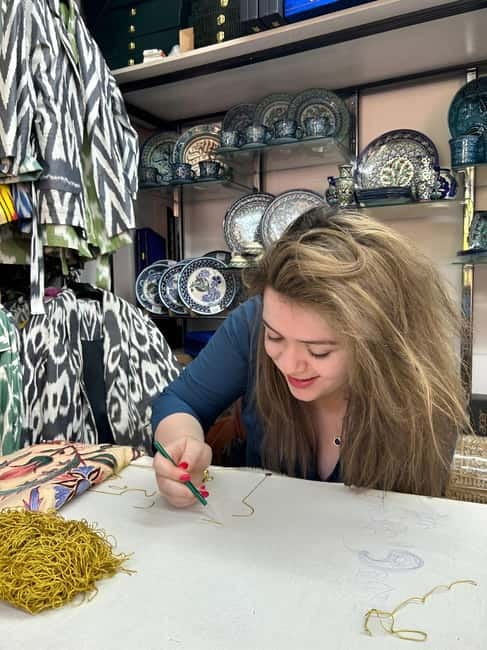
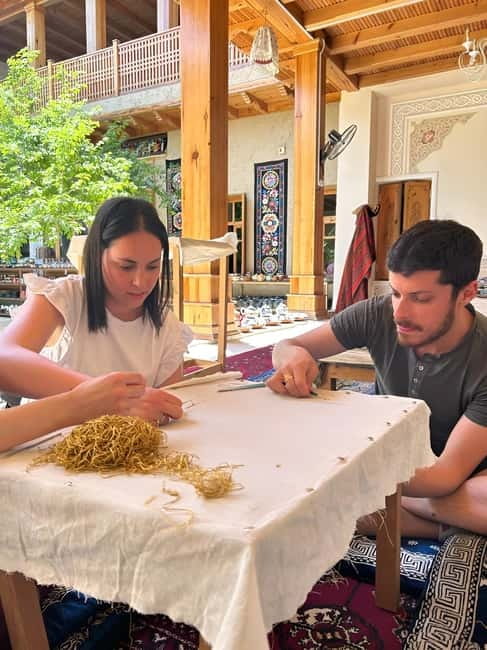
The heart of the experience is the Suzani embroidery masterclass. You work under the guidance of artisans, and the class is structured so you can succeed even if your stitching skills are shaky. You learn basic stitches and how to place simple designs on your piece.
The most important detail is the symbolic focus. Suzani embroidery is described as a decorative textile rich with meaning, rooted in legends meant to ward off evil spirits. During the session, you are not only learning how to stitch. You are learning what the motifs represent and why people cared about making something intentional.
Expect a small project. That is part of the practicality of a 1 to 1.5 hour workshop. You will get enough to feel ownership, and you will definitely leave with a take-home souvenir. You will not leave with a large, days-long masterpiece, so adjust your expectations if you hoped for hours of deep embroidery practice.
One more thing that makes the class feel worth it is the teaching style. In the past, Yusuf has been described as patient and humorous, which matters when you are half focused, half distracted by beautiful items around you. If you get frustrated, a good guide keeps you moving.
The included Uzbek meal: plov and the garden setting
After the workshop, you head to a local restaurant for traditional Uzbek food. The meal is not tacked on as an afterthought. It is framed as another part of the cultural journey, with dishes that come with their own stories.
The included menu is specific:
- Non, freshly baked Uzbek bread
- Shakarob salad (tomato and herb salad) plus Kuzchi Kayfiyat salad
- A variety of traditional palov (rice with lamb, carrots, and raisins)
- Unlimited green tea and water
It is a solid meal structure: bread and salad to set the base, then palov as the main event. The palov mention is especially helpful because it means you are not guessing what you will eat. And if you have already eaten a lot of plov during your trip, guides have shown flexibility in at least some cases, swapping to try new dishes instead.
The setting also helps. The food is served in a serene garden setting, which makes the end of the tour feel calm rather than rushed. It gives you a chance to compare what you learned about protection and symbolism in crafts with what people value in everyday comfort food.

Price and value: is $90 fair for this much cultural work?
At $90 per person for 3 to 3.5 hours, you are paying for more than a workshop. You are paying for guided cultural interpretation, expert artisan instruction, materials for the embroidery, and a full traditional meal. That combination is why this tends to feel good value.
If you were to price those separately, the math shifts quickly. A quality craft class, especially with materials included, usually costs a lot more than a typical walking tour. Add transportation through hotel pickup, plus a structured cultural tour and lunch, and the $90 becomes easier to accept.
The private group format is another value point. Even though the price is per person, private time reduces the feeling of rushing through explanations or waiting while others struggle with stitching.
Your best financial bet is to treat the tour as a start-of-trip anchor. You learn how to see craft quality, how symbolism is explained, and what terms to listen for in markets. That way, any money you spend afterward is more informed.
Timing in Tashkent: schedule it early for the best payoff
I recommend booking this for your first or second day in Tashkent. The reason is simple: it gives you a lens. You start to understand what you are seeing, and you build confidence to explore on your own afterward.
This tour also works well if you are the type of traveler who likes a hands-on souvenir but does not want the hassle of finding lessons. You show up, you learn, you make, and you leave with something meaningful. That is a rare combination in cities where craft experiences can be either too touristy or too vague.
If you want variety, keep an eye on the guide’s ability to adjust. In past sessions, Yusuf has shown flexibility when people already ate plenty of palov, and some groups have added a cultural museum stop and tried on traditional garments. Not every schedule will include extra time, but it signals that your guide is thinking about your interests.
Who this Suzani experience suits best
This is a great fit if you:
- Want a focused introduction to Uzbek crafts in Tashkent Province
- Like hands-on learning more than passive museum time
- Enjoy symbolism and cultural storytelling, not just shopping
- Want a take-home souvenir that is connected to meaning, not only aesthetics
It is also a smart choice for couples or friends who want conversation. Private group time makes it easier to ask questions, slow down, or spend a little extra moment on something that catches your eye.
If you are a hardcore embroidery specialist, you might find the class short. But even then, you will likely appreciate the cultural framework and the chance to make something small and symbolic with expert help.
Should you book this Suzani Masterclass and Cultural Immersion tour?
Book it if you want the best kind of souvenir: one you made, with context. The combination of Navruz Park storytelling, artisan-led stitching, and a proper Uzbek meal is exactly what turns a half-day into a memory.
Skip it only if you specifically want a long, uninterrupted embroidery training session, the kind where you produce a detailed, large-scale piece over many hours. This is designed for a manageable 3 to 3.5 hour window, so you get a starter project, not a full course.
If you like thoughtful travel, and you want to understand what Uzbek crafts mean to the people who make them, this tour delivers.
FAQ
Where is pickup, and how do I find the driver?
Pickup is available from your hotel in Tashkent. After booking, message the local guide on WhatsApp, then wait in the hotel lobby 5 minutes before your scheduled pickup time. The driver will hold a sign with your last name.
How long does the experience last?
The total duration is 3 to 3.5 hours.
Is this tour private?
Yes, it is a private group experience.
What languages are available for the live tour guide?
The tour guide is available in English, Polish, Russian, and Uzbek.
What will I make during the Suzani masterclass?
You will create your own Suzani embroidery piece with guidance from expert artisans, and you will take it home as a souvenir.
What is included in the traditional Uzbek meal?
The included meal includes non (Uzbek bread), Shakarob (tomato and herb salad) and Kuzchi Kayfiyat salad, a variety of palov, plus unlimited green tea and water. Additional sides can be ordered for an extra cost.
Is pickup optional?
Yes, pickup is optional.
Can I cancel for a full refund?
You can cancel up to 24 hours in advance for a full refund.
How does reserve now, pay later work?
You can reserve now and pay later, which means you can book your spot and pay nothing today.
The Full Uzbekistan Review Pile



Wheels, Looms And Kilns
More of Uzbekistan we have reviewed
- Uzbekistan 6 days / 5 nights tour★ 5.0 · 3 reviews
- Tashkent Mountain Tour Amirsoy with Transport★ 3.5 · 3 reviews
- Private Tashkent City Tour★ 5.0 · 3 reviews
- Transfer Tashkent Airport / Railway Station – Hotel★ 3.5 · 3 reviews
- Tashkent: 3-Day Horseback Riding Tour in Chimgan Mountains★ 4.4 · 3 reviews
- Samarkand: Uloq-Kopkari (Buzkashi) Game Day Tour★ 5.0 · 3 reviews
Uzbek Craft, Pottery & Culture Masterclasses, compared.
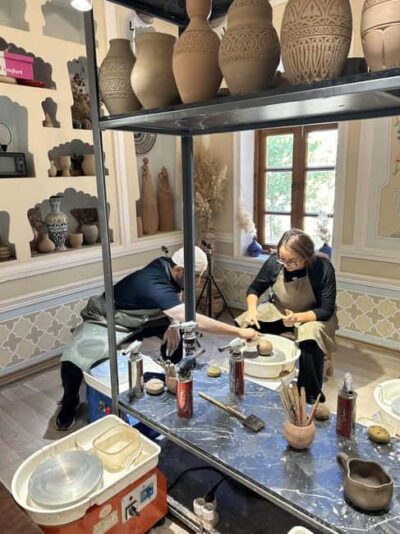 ★ 5.0Tashkent: Uzbek Culture, Food, Crafts & Pottery MasterclassFrom $8524 reviews
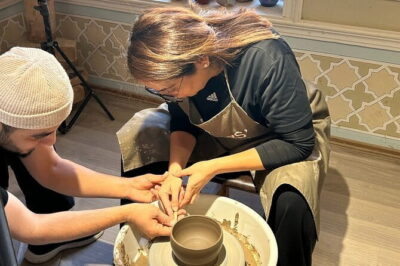 ★ 5.0Tashkent: Cultural Exploration & Pottery MasterclassFrom $8524 reviews
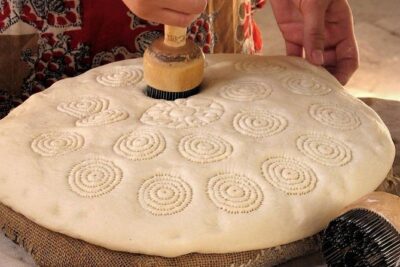 ★ 3.5Master Class – Uzbek Bread (Khiva)From $154 reviews
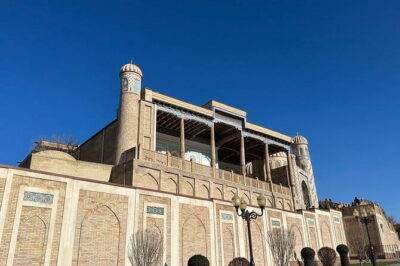 ★ 5.0Samarkand City Tour from Silk Paper Factory to Registan SquareFrom $904 reviews
 ★ 5.0Samarkand: Uloq-Kopkari (Buzkashi) Game Day TourFrom $1703 reviews
Browse the lists this tour appears in