
Review · UZBEK CRAFTS
Tashkent: Cultural Exploration & Pottery Masterclass
Pottery class meets Silk Road stories. This Tashkent experience is interesting because you pair a guided look at everyday crafts with a practical pottery session, then finish with an Uzbek meal in a relaxed setting. I love that the culture part is specific, covering things like Suzani embroidery history and household traditions, and I also love that the pottery isn’t just watching, you shape your own piece step by step. One thing to consider: the tour does not include glazing or pottery shipment, so if you’re hoping it shows up later finished at home, plan for that gap.
A highlight for many people is the guiding style. Yusuf leads the story of Uzbekistan’s crafts and history in a way that stays grounded and conversational, and the pottery instructor brings the designs to life through carving and decorating techniques. If you have strong dietary needs, review the meal notes first. The bread contains wheat, and the food includes meat and dairy with limited plant-based options.
In This Review
- Key points to know before you go
- A silk-road craft story, built around daily life
- Ceramics in context: how the pottery class fits the story
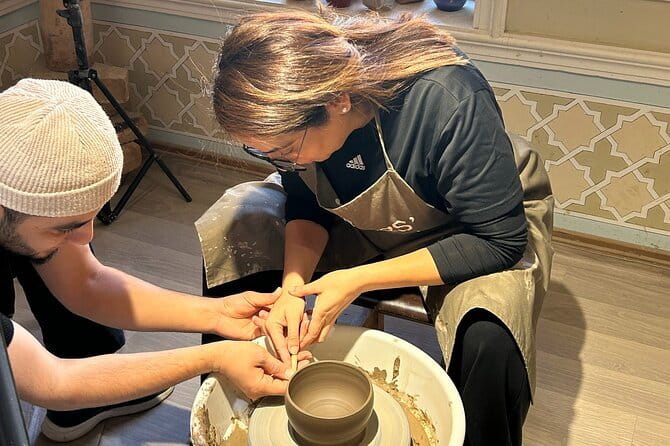
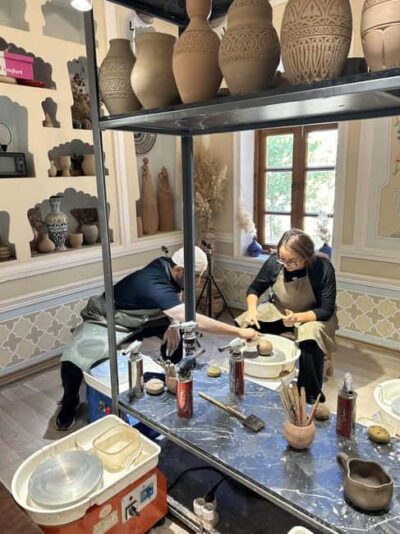
- Step-by-step pottery making: what your hands will do
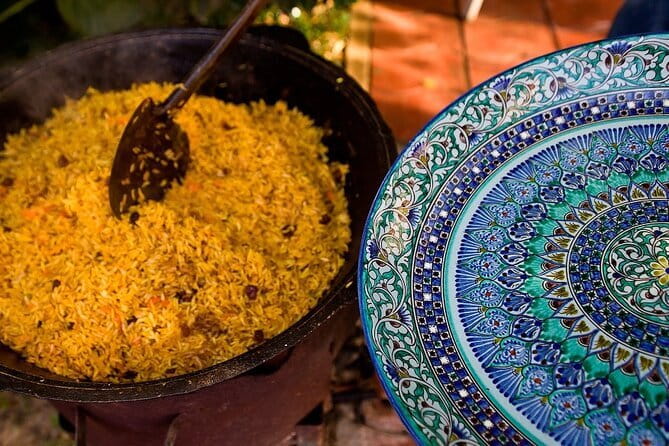
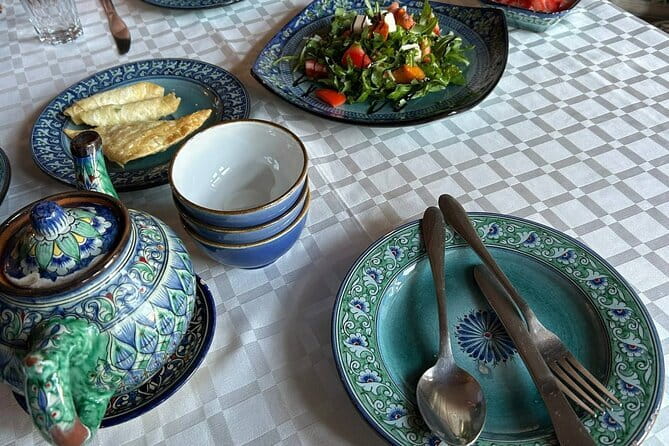
- The Uzbek meal break: bread, palov, salad, and tea
- What you’ll get for $85: value that makes sense
- Pickup, timing, and how to plan your afternoon
- Who this tour is best for
- Should you book this Tashkent cultural exploration and pottery masterclass?
- FAQ
- How long is the Tashkent pottery and cultural tour?
- What is the price per person?
- Is pickup included, and is there drop-off?
- What’s included in the tour?
- Is pottery glazing or shipment included?
- What should I know about food and allergies?
Key points to know before you go
Hand-on pottery, not a demo
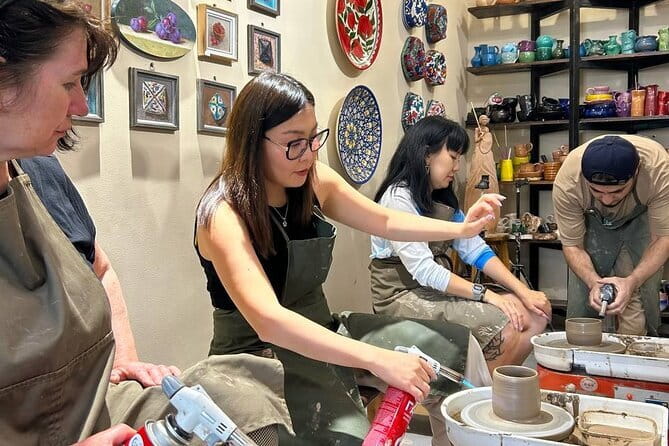
You get through clay prep, choosing your piece, throwing or molding, drying, shaving, and decoration.
A craft-focused Silk Road story
Expect practical context for textiles, dolls, household customs, and wedding traditions, all tied to how people lived.
Unfinished pottery is possible
No glazing is included, so your final look depends on what the provider does after your class.
Meal includes Uzbek staples and tea
You’ll have bread, palov, and salads, with unlimited green tea and water.
Pickup included, drop-off not included
Plan your return from the meeting area after the tour ends.
Dietary cautions are real
Wheat, dairy, and possible nuts show up in the meal, so check carefully if you’re sensitive.
A silk-road craft story, built around daily life
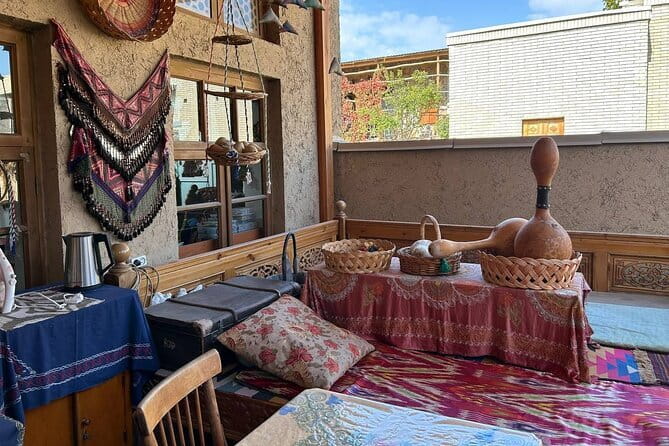
The best thing about this tour is the way it connects famous Silk Road ideas to the objects people actually used. Instead of treating crafts like museum items, the session is organized around how skills traveled, how different groups differed, and how those differences turned up in homes.
You start with about an hour of cultural exploration. It covers the significance of the Silk Road, then moves into the crafts that grew alongside trade and migration. Textiles and silk production matter here because they weren’t just luxury. They shaped clothing, household materials, and the look of ceremonies. The tour also includes traditional doll making, where you can see how regional styles and beliefs get translated into something children grow up with.
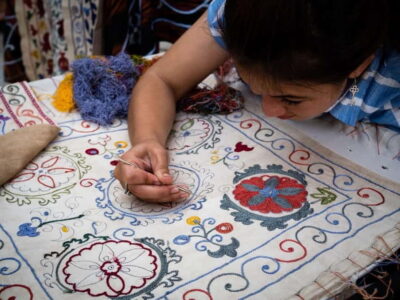
From there, the focus shifts to the social side of crafts. You’ll learn about tribal craft differences, local superstitions, and Uzbek household traditions. Wedding customs get attention too, which helps explain why certain patterns and textiles carry meaning beyond decoration. And Suzani embroidery history rounds it out, so when you see stitching patterns later, you have a reason to care.
If you like tours that teach you how people thought and lived, this structure works. It gives you enough context to understand why pottery and embroidery can feel like identity, not just art.
Ceramics in context: how the pottery class fits the story
After the cultural part, you move into the pottery masterclass for roughly one to one and a half hours. The timing is smart. Your brain is still in crafts mode, so the lesson feels like a continuation instead of a separate activity.
The class is guided by local artisans, and the flow is built like a real making process:
- introduction to Uzbek pottery
- clay preparation
- piece selection
- wheel throwing or molding
- fire torch initial drying
- shaving
- decoration
What I like about this sequence is that it treats pottery as a set of skills, not a single moment of creativity. You learn that shaping is only one step. Drying and shaving matter for the final form. Decoration is the part most people want, but it only looks right when the earlier steps are done well.
One useful thing to know upfront: the tour includes equipment, but it does not include glazing. That changes your expectations. If your brain is picturing a shiny, finished plate or mug with a baked glaze look, you may need to set aside that assumption. Ask during the session what will happen next to your piece, especially if you’re trying to bring it home in a stable, finished condition.
Also, the class includes decoration, so even without glazing, you’ll leave with designs you personally made. That alone is worth it for most people. It’s tangible proof that you didn’t just look at craft culture, you practiced it.
More hands on with Uzbek craft
- Tashkent: Uzbek Culture, Food, Crafts & Pottery Masterclass
★ 5.0 · 24 reviews - Legends and Crafts: Suzani Masterclass & Cultural Immersion
★ 5.0 · 11 reviews - Samarkand: Uloq-Kopkari (Buzkashi) Game Day Tour
★ 5.0 · 3 reviews
Step-by-step pottery making: what your hands will do
This pottery session is hands-on in the practical way that matters. You’re not just holding tools for a quick photo. You go through the key stages that potters use to get from raw clay to a decorated form.
You start with clay preparation. That’s where many first-timers learn what clay feels like before it becomes something you can shape without cracking. Then comes piece selection. This choice matters because wheel throwing and molding support different results. Even if you’ve never used a pottery wheel, you’ll usually get a clear path for what to try.
Wheel throwing or molding is next. Wheel time can be intimidating at first, but the structure of the lesson helps. If wheel throwing is the style, you get coached through centering and shaping. If the approach is molding, you focus more on form and surface.
Then you hit the technical middle part: initial drying with a fire torch, followed by shaving. This is where patience pays off. Shaving helps refine the surface before decoration. If you want to leave with clean-looking work, this is the step that determines how your carving and patterns show later.
Finally, you decorate. This is where Uzbek design traditions become visible on something your hands made. In the context of the earlier craft talk, your decoration feels more meaningful. You’re not randomly adding marks. You’re expressing a design language you just learned has history behind it.
A practical note if you’re traveling light: keep room in your bag for fragile items. Since glazing and shipment aren’t included, your piece may need careful packing if you take it with you.
The Uzbek meal break: bread, palov, salad, and tea
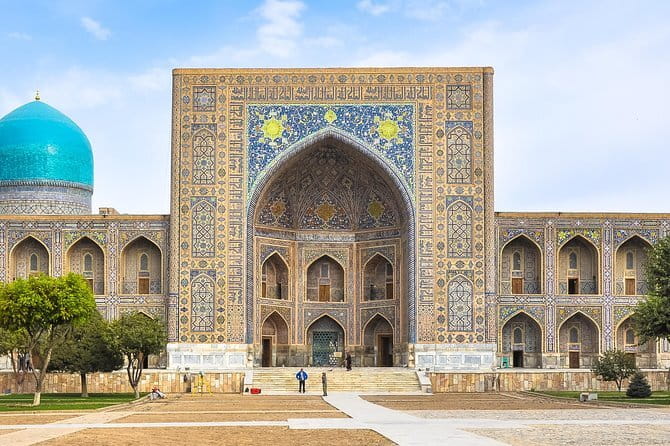
After pottery, you slow down with a traditional Uzbek meal for about an hour. The meal is part of the value because it turns the day from activity into experience. You’re not just collecting crafts, you’re tasting the food culture that shaped daily life.
You can expect Uzbek staples such as:
- non bread
- Shakarob & Kuzchi Kayfiyat salad
- a variety of palov
- unlimited green tea and water
In the same spirit as the craft session, the meal feels rooted in fundamentals. Non is a good anchor because it connects to everyday table culture. Palov is the headline dish in many households, and it’s also a way to understand how ingredients and technique show up across regions and kitchens. Salads like Shakarob add brightness and crunch, which makes the meal feel balanced instead of heavy.
One detail worth knowing: the meal includes meat and dairy, and the plant-based options are limited. If you eat vegetarian or vegan, this may be doable only if the provider can adjust within those limitations. The tour also warns about gluten issues. Bread and pastries include wheat. If you have celiac disease or severe gluten sensitivity, this matters. And if you have nut allergies or lactose intolerance, the notes say you should confirm ingredients because nuts and dairy can show up, including cheese in starters.
If you don’t have those restrictions, you’ll likely enjoy the contrast between your pottery hands and a table set with warm bread and hot dishes. It’s a reset that makes the day feel complete.
What you’ll get for $85: value that makes sense

At $85 per person for around three and a half hours, the value is strongest when you treat the tour as a full package, not a single activity.
You’re paying for three things at once:
1) a guided cultural exploration of multiple craft traditions
2) a hands-on pottery masterclass with equipment
3) an included meal with tea and water
Many city experiences in this price range give you one of the three, maybe two. Here, you’re getting the pairing that travel often lacks. Craft context plus craft practice plus a real meal is a satisfying arc.
The pricing also makes more sense if you’re choosing this as a main afternoon in Tashkent rather than stacking separate ticketed activities. You save time, and you also get coherence. The pottery lesson doesn’t float free, it lands on top of the Silk Road and household traditions you learned earlier.
A small planning note: pickup is offered, but drop-off is not included. That means you should be ready to handle your return at the end. If you’re far from the pickup zone, this could affect the true cost in taxi time.
Pickup, timing, and how to plan your afternoon
The tour runs about 3 hours 30 minutes, with the cultural part at about an hour, the pottery masterclass around one to one and a half hours, and the meal around an hour.
Pickup is offered, which helps, especially if your Tashkent day is already busy. Since drop-off is not included, you’ll want a simple plan for getting back. If you’re using public transportation, the tour is noted as near public transit, which can make that easier.
You’ll also get a mobile ticket, and you receive confirmation at booking time. That reduces the stress of guessing whether everything is locked in.
Because it’s described as a private tour/activity, you should expect the session to focus on your group only. That can be a plus for hands-on learning, since it’s easier to ask questions and get guidance when the class isn’t competing with a lot of other people.
If you’re sensitive to standing for long periods, the schedule is still relatively compact. You’re likely on your feet during the cultural walk and pottery making, then you sit for the meal.


Who this tour is best for

This is a strong fit if you’re the kind of traveler who likes learning with your hands. If you enjoy craft workshops, Tashkent culture, and food experiences, the combo works well.
It’s also a good choice if you’re curious about how the Silk Road connects to everyday items. The tour doesn’t just name crafts. It ties them to textiles, dolls, wedding customs, household traditions, and embroidery history, so you get the “why” behind the look.
You might want to skip or at least ask questions before booking if:
- you need fully gluten-free food
- you require no dairy and no meat
- you want glazing included
- you’re hoping for shipping directly to your home
If you’re open to careful packing and you’re satisfied with a decorated piece you made, this workshop fits nicely into a culture-forward day.
Should you book this Tashkent cultural exploration and pottery masterclass?
Book it if you want a real Tashkent afternoon, not just a sightseeing checklist. The best reason to choose it is the pairing: craft history taught by Yusuf, then immediate practice in a pottery session, then a meal that matches the day’s themes.
Don’t book it if your main goal is a fully finished glazed souvenir or if you have major dietary restrictions that can’t be accommodated. Also, plan your return since drop-off isn’t part of the deal.
If you do book, go in with the right mindset: your pottery likely won’t be a glossy, final product with glazing included. Your win is making something step by step while learning the cultural logic behind the designs.
FAQ
How long is the Tashkent pottery and cultural tour?
It runs about 3 hours 30 minutes, with cultural exploration for about 1 hour, a pottery masterclass for about 1 to 1.5 hours, and a traditional Uzbek meal for about 1 hour.
What is the price per person?
The tour costs $85.00 per person.
Is pickup included, and is there drop-off?
Pickup is offered. Drop-off is not included, so you will need to arrange your own way back after the tour ends.
What’s included in the tour?
The tour includes lunch, pottery equipment, pickup, all fees and taxes, guided cultural exploration of Uzbek crafts, and the hands-on pottery masterclass.
Is pottery glazing or shipment included?
No. Pottery shipment and glazing are not included.
What should I know about food and allergies?
The meal includes meat and dairy with limited plant-based options. Bread and pastries include wheat, nut allergies may be an issue, and cheese can appear in starters. If you have celiac disease, lactose intolerance, or nut allergies, confirm specific ingredients before booking.
The Full Uzbekistan Review Pile



Wheels, Looms And Kilns
More of Uzbekistan we have reviewed
- Uzbekistan 6 days / 5 nights tour★ 5.0 · 3 reviews
- Tashkent Mountain Tour Amirsoy with Transport★ 3.5 · 3 reviews
- Private Tashkent City Tour★ 5.0 · 3 reviews
- Transfer Tashkent Airport / Railway Station – Hotel★ 3.5 · 3 reviews
- Tashkent: 3-Day Horseback Riding Tour in Chimgan Mountains★ 4.4 · 3 reviews
- Samarkand: Uloq-Kopkari (Buzkashi) Game Day Tour★ 5.0 · 3 reviews
Uzbek Craft, Pottery & Culture Masterclasses, compared.
 ★ 5.0Tashkent: Uzbek Culture, Food, Crafts & Pottery MasterclassFrom $8524 reviews
 ★ 5.0Legends and Crafts: Suzani Masterclass & Cultural ImmersionFrom $9011 reviews
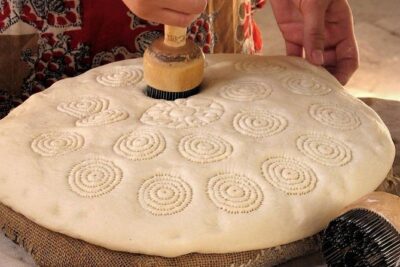 ★ 3.5Master Class – Uzbek Bread (Khiva)From $154 reviews
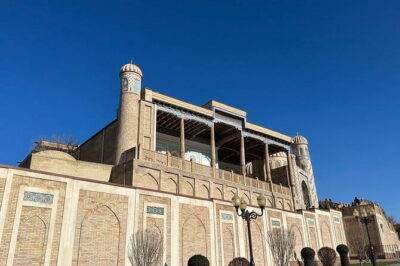 ★ 5.0Samarkand City Tour from Silk Paper Factory to Registan SquareFrom $904 reviews
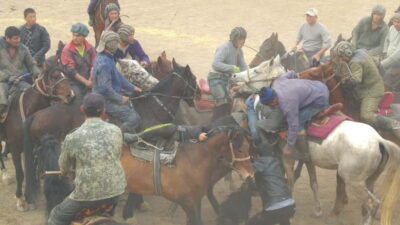 ★ 5.0Samarkand: Uloq-Kopkari (Buzkashi) Game Day TourFrom $1703 reviews
Browse the lists this tour appears in