
Review · TASHKENT MOUNTAINS
Tashkent: 3-Day Horseback Riding Tour in Chimgan Mountains
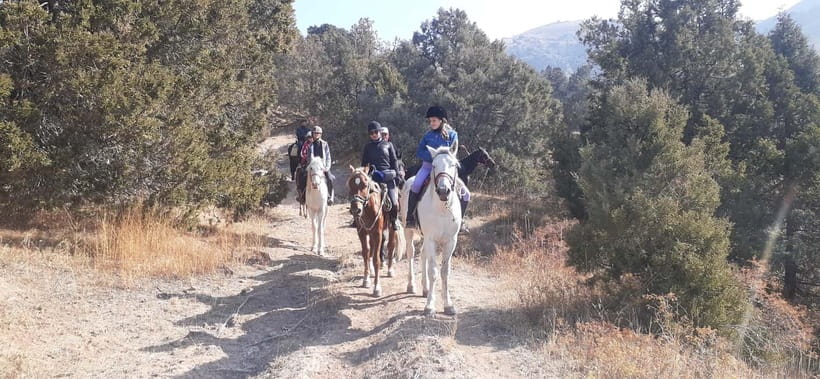
Horseback days in Chimgan feel like time travel. This 3-day ride in Uzbekistan’s mountain country has you crossing rivers, climbing passes, and sleeping out under the stars. I loved the river crossings and I loved the home-style dinners cooked by the trip kitchen, but the one thing you should consider is the daily time in the saddle.
You pay $430 per person for more than a ride. You get van transport from Tashkent, an English speaking guide plus horseman, horses, full board, and the camping setup like tents and sleeping gear. It’s a small group too, capped at 10, so you won’t feel like you’re riding through a crowd.
Below is the honest version of what the days look like, what it’s really like on the ground, and who this trip fits best.
In This Review
- Key Highlights You’ll Actually Feel
- Three Days of Horseback, Campfires, and Mountain Rhythm
- Getting to Chimgan Mountains from Tashkent: Don’t Waste Daylight
- Day 1: From Aksai Valley to Archali Pass and Night Under the Stars
- Day 2: Chet Kumbel Pass, a 1000-Year Tree, and Cantering Meadows
- Day 3: Uchterak Village, Akshuran Pass, Kyzyljar Ridge, and Charvak Lake
- The Ride Experience: How Horses, Passes, and Pace Work Together
- Camp Life and Food: Real Meals, Real Down Time
- Price and Value: What $430 Covers, and What You Still Need to Bring
- Weather and Fitness: Who Should Book, Who Should Skip
- Organization Reality Check: What to Confirm Before You Arrive
- Who This Tour Is For (and Who It Isn’t)
- Should You Book This Horseback Tour?
Key Highlights You’ll Actually Feel
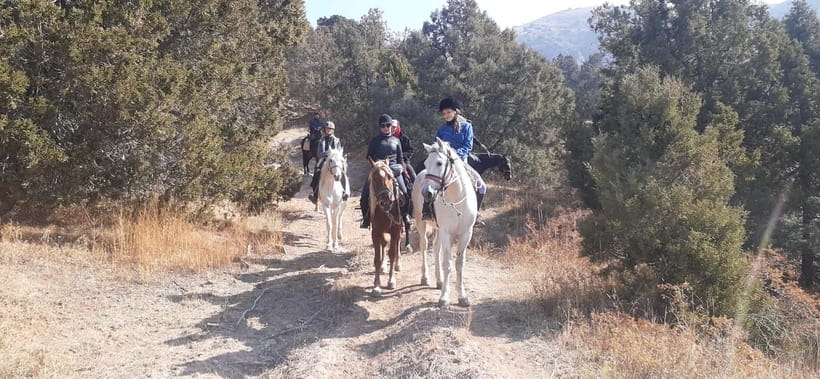
- Charvak Lake viewpoint from the ridge after long climbs and canter-friendly stretches
- River crossings that change how the route feels, not just how it looks
- Meals made by the cook as part of full board, not an afterthought
- High mountain passes and alpine meadows with chances to move at a canter
- Camping near rivers and in meadow areas with star-filled nights
- Meet local villagers during the route, including time around Uchterak
Three Days of Horseback, Campfires, and Mountain Rhythm
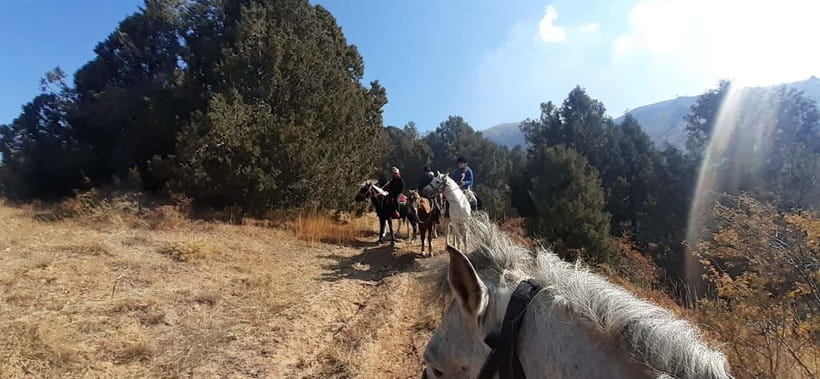
This is the kind of tour where the mountains set the tempo. You ride for hours, stop when it makes sense for the horses and the weather, then spend the evening around camp with a real cook and real downtime.
What I like about this setup is that it’s not only about checking scenic boxes. The route is built around movement through different terrain, from valley flats and pasture views to pass climbs, gorge stretches, and ridge riding. Those changes matter because they keep the experience from feeling repetitive.
The other big win is that you’re not doing all the logistics yourself. Horses, basic camping gear, kitchen ware, and food are included. Your job is mostly to show up with the right clothing and ride comfortably in a long day.
Getting to Chimgan Mountains from Tashkent: Don’t Waste Daylight
Pickups happen in Tashkent, and the tour includes transport to and from the mountains by van. If you’re a smaller group, you may ride in a sedan instead, but the key point is that you start from the city and head out early.
This matters because the ride time is already substantial. The tour involves horse riding for about 5 to 6 hours each day, so you want the drive to happen efficiently rather than turning your first day into a long waiting game.
Once you’re out in the Chimgan area, the route starts doing what it should. It moves you from villages and valley access points into the higher country, where the meadows and passes open up.
Other days out in the Tashkent mountains
- Best of Tashkent Mountains: Amirsoy, Chimgan & Charvak Trip
★ 4.8 · 567 reviews - Tashkent : Premium Amirsoy, Chimgan Mountains & Charvak Lake
★ 4.8 · 190 reviews - Full- Day Tour Tashkent: Amirsoy, Chimgan and Charvak lake
★ 4.8 · 77 reviews - Tashkent Mountain Tour
★ 4.5 · 49 reviews
Day 1: From Aksai Valley to Archali Pass and Night Under the Stars
Your day starts with an early departure from Tashkent to Aksai Valley. You ride past the village and begin ascending toward Aksakata Mountain. This is a good opener because it slowly introduces you to how the horses handle altitude and uneven ground.
After a short rest, you walk slowly across the valley toward Archali Pass. This is also where you can spot the seasonal rhythm of the area: horses, livestock, and shepherds’ summer pastures. It’s not just scenery, it’s how people use these mountains.
Lunch lands around the marble belt area, a named-feeling stop that signals you’re moving through a distinct mountain zone. Then you ride down toward the junction of the Aksaka Ata and Nurik Ata rivers.
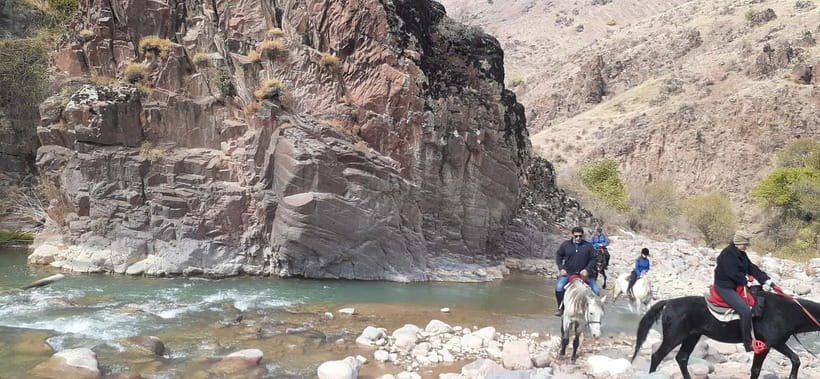
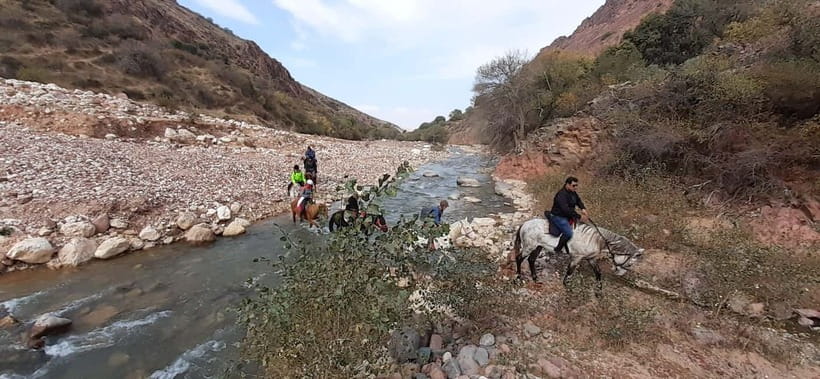
The river crossing is a highlight on day one. You go over a wooden bridge and continue through a valley with unique alpine biodiversity. After reaching camp near the river, the evening plan is straightforward: set up, make a fire, and watch the stars.
Practical note: camping near rivers usually means cooler night air and potential dampness. If you’ve only packed for daytime warmth, plan to bring layers you can actually use.
Day 2: Chet Kumbel Pass, a 1000-Year Tree, and Cantering Meadows
Day two wakes up early with a camping-style breakfast, including hiking porridge and hot coffee. Then you hit the saddle again, crossing rivers and riding ascents and descents for several hours.
After a while, you reach a mountain bee farmer’s shelter. The point of this stop isn’t just a photo break. It’s a reminder that this area isn’t wilderness with no people, it’s mountain life with seasonal work.
Next comes a major climb to Chet Kumbel Pass. For lunch you stop near spring water close to a 1000-year-old tree. That kind of landmark makes sense in mountain-country tours, because it gives you a clear marker of progress during a long riding day.
The route continues along Kumbel Mountain. You’ll reach a ski slope area, then ascend toward a huge rock along the forest. From there you push on for about half an hour to a big alpine meadow.
This is where the tour gets more fun. You reach an alpine meadow where you can canter. If you’ve been holding your enthusiasm back, this stretch is the payoff.
Lunch after the meadow happens down in the marble gorge area, followed by time for the horses to rest. Then you ride again, ascending to Urta Kumble, descending toward Beldersai Valley, and crossing the river.
You finish the day by reaching Yakka Archa and then riding up to Chet Kumbel to set camp near the river.
Real talk: if day one felt like a lot, day two is where you feel the cumulative time in the saddle. Build your expectations around stamina, not just views.
Day 3: Uchterak Village, Akshuran Pass, Kyzyljar Ridge, and Charvak Lake
Breakfast comes from camp, then you start riding along the meadow and descend. An hour later you reach the Beladersai river bridge and cross it, which keeps the day grounded in practical route challenges, not only dramatic heights.
Then you ascend toward Uchterak village for lunch near the community. The itinerary includes time going through the village, meeting locals, and crossing the Galvaysai river.
This is a valuable shift from pure mountain riding. You get a more human sense of the region, and it also breaks up the rhythm of only passing through open country.
After lunch and village time, you push up to Akshuran Pass. From there you reach a cantering area, then in the afternoon you ride along the crest of the ridge through the undulating red cliff area called Kyzyljar.
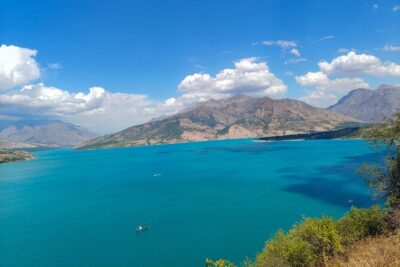
Eventually, you reach the peak referred to as last, where you can see Charvak Lake. That final view is the kind of payoff that makes the earlier climbs make sense, even if you’re tired by then.
In the late part of the day, you rest and walk down to Chorvak Oromgohi to meet your driver. After saying farewell to your horseman and his brother, you return to Tashkent.
One consideration to keep in mind: while the plan is an all-day ride profile, real-world schedules can shift with conditions. If the last day ride time feels shorter than expected, it’s usually because the route team is managing weather, horse needs, or safety.
The Ride Experience: How Horses, Passes, and Pace Work Together
This is not a casual stroll. The tour is built around daily riding time of about 5 to 6 hours, with multiple ascents and descents across mountain passes.
You’ll also deal with varied ground: river crossings, wooden bridges, meadow stretches, gorge areas, and forest-edge climbs. The horses and the horseman are the real infrastructure of the trip, because they’re the ones choosing the path within what’s safe and manageable.
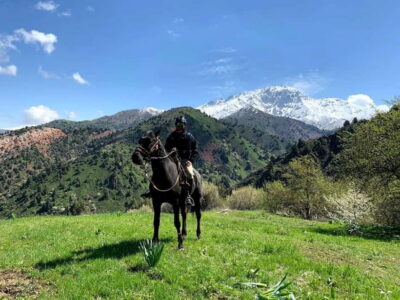
The canter opportunities in the meadows are the moments most people remember. But the ride is still about endurance. If you’re comfortable in the saddle and you can stay patient during slower walking segments, you’ll enjoy the rhythm more.
Also, group size is small, limited to 10 participants. That usually helps with smoother pacing because the guide and horse team aren’t managing dozens of riders at once.
Camp Life and Food: Real Meals, Real Down Time
Camping is part of the deal here, with camping near rivers and in meadow areas. You’ll set up in the evening, make time for camp activities, and spend the night under the stars.
Meals are included as full board, with a cook preparing the food using provided kitchen ware. Day one includes an evening camp setup right by the river. Day two includes breakfast right at camp and then lunches at route points like the marble belt, spring areas, and gorge zones.
What stands out is that food is not treated as a roadside convenience. The structure is consistent: breakfast in the morning, lunch on the route, dinner at camp.
Based on what people liked most, the dinners tend to be a highlight. If you’re hoping for something hearty and satisfying after riding, this format usually delivers.
Comfort note: “wild camping style” can vary in how wild it feels depending on weather and routing. If conditions force a different campsite location, you might end up with less of that deep-in-nature feeling. I’d still expect a similar routine: camp setup, fire time, and dinner around the group.
Price and Value: What $430 Covers, and What You Still Need to Bring
At $430 per person for 3 days, the value comes from what’s bundled. You’re paying for transport from Tashkent, an English speaking guide and horseman, horses, camping gear, kitchen setup, and full board meals.
A lot of the cost sits in the “real-world hard parts,” like managing horses and moving a small group through pass country. That’s why this price can feel reasonable if you compare it to the cost of arranging a guided mountain ride with transport and overnight camping yourself.
What’s not included is also clear:
- visa support
- insurance
- personal mountain equipment like your backpack
- footwear and clothes
- a personal first aid set
- meal in the city part
What you should bring matters a lot here. Bring a hat, sunglasses, rain gear, gloves, change of clothes, hiking shoes, and personal medication. You’ll also want passport or ID card, and comfortable clothes you can ride in for hours.
If you only pack “nice clothes,” you’ll feel it. This tour rewards practical packing.
Weather and Fitness: Who Should Book, Who Should Skip
Weather in mountain areas can shift. The tour includes ascending and descending mountain passes, camping near rivers, and riding across meadows and forest-edge areas. Pack for changing conditions.
Also, the tour is not suitable for everyone. It’s listed as not suitable for people with:
- back problems
- mobility impairments
- heart problems
- respiratory issues
If you fit any of those categories, don’t treat the tour as a flexible option. The daily saddle time and uneven terrain are the issue, not just walking.
Fitness-wise, you should be ready for several hours of riding each day. Even if you’re not hiking for long periods on foot, you’ll feel the ride in your core and legs. If you get sore easily from long sitting, test your saddle comfort before you go.
Organization Reality Check: What to Confirm Before You Arrive
Most things are clearly included. Still, I recommend you take control of two practical items before you show up in the city.
First, confirm your equipment list in writing, especially what’s provided versus what you bring. The tour states tents, sleeping bags, and sleeping rugs are rented, but gear confusion can happen when communication is messy.
Second, confirm what a typical day length looks like for the final day, and ask how weather changes would affect riding time and campsite location. The plan is for a strong last day ending at Charvak Lake views and then walking down to Chorvak Oromgohi. In real life, if conditions tighten, the schedule can compress.
That doesn’t mean the tour is unreliable. It just means you’ll enjoy it more if you remove uncertainty early.
Who This Tour Is For (and Who It Isn’t)
This tour is ideal if you want a hands-on mountain experience. You like animal-based travel, you’re okay riding for hours, and you enjoy the slow, steady rhythm of camp life.
It’s also great if you want a blend of nature and people. You’re not only riding through empty space. You get time in villages and meet locals along the route.
It may not be your best choice if you want a low-impact day. The saddle time is a core feature, and that feature is non-negotiable.
If your travel style is more about comfortable hotels and flexible schedules, choose a different kind of Chimgan day trip. This one is about committing to the mountains for three days.
Should You Book This Horseback Tour?
Book it if you want a real mountain ride with included horses, English speaking guidance, full board meals, and camping under stars. I especially think it’s worth it for the combination of river crossings, pass climbs, and the Charvak Lake payoff from the ridge.
Consider skipping or choosing a different option if you have any of the listed health limits, or if you know you struggle with long time in the saddle. This tour is built for riders who can stay comfortable and patient.
One last practical tip: if you’re juggling gear questions, ask early and confirm. Then show up ready for five-to-six-hour riding days, warm layers for river-camping nights, and the kind of trip where the best moments arrive after the hard parts.
More Tours Around Uzbekistan
The Full Uzbekistan Review Pile
More Chimgan And Charvak Days
More of Uzbekistan we have reviewed
- Uzbekistan 6 days / 5 nights tour★ 5.0 · 3 reviews
- Tashkent Mountain Tour Amirsoy with Transport★ 3.5 · 3 reviews
- Private Tashkent City Tour★ 5.0 · 3 reviews
- Transfer Tashkent Airport / Railway Station – Hotel★ 3.5 · 3 reviews
- Tashkent: 3-Day Horseback Riding Tour in Chimgan Mountains★ 4.4 · 3 reviews
- Half-day excursion around Tashkent★ 5.0 · 3 reviews
Chimgan, Charvak & Tashkent Mountain Trips, compared.
 ★ 4.8Best of Tashkent Mountains: Amirsoy, Chimgan & Charvak TripFrom $48567 reviews
 ★ 4.8Tashkent : Premium Amirsoy, Chimgan Mountains & Charvak LakeFrom $40190 reviews
 ★ 4.9Amirsoy, Chimgan & Charvak Full-Day AdventureFrom $3982 reviews
 ★ 4.8Full- Day Tour Tashkent: Amirsoy, Chimgan and Charvak lakeFrom $3977 reviews
 ★ 4.5Tashkent Mountain TourFrom $6549 reviews
 ★ 4.4Jade Lake Tour from TashkentFrom $26027 reviews
 ★ 4.9From Tashkent: Chimgan Valley Hiking Day TripFrom $10024 reviews
 ★ 5.0Private tour: Amirsoy, Chimgan mountains & CharvakFrom $7021 reviews
Browse the lists this tour appears in