
Review · TASHKENT
Food tour in Tashkent
Uzbek food has a story in every bite, and this 4 hour guided tour strings together food tasting with real Tashkent street energy. I like how it pairs classic dishes with market-side context, especially around Chorsu Bazaar, but you should know the exact mix of stops can lean more local on some days than others.
One of my favorite parts is the format: a small group up to 10 people with a live guide speaking English or Russian. Reviews also single out the guide Ibrahim for explaining how dishes connect to ingredients and everyday life, which makes the tasting feel less like random samples and more like understanding what you are eating.
In This Review
- Key highlights at a glance
- A 4 hour food plan that actually works in Tashkent
- Chorsu Bazaar: where your senses get the first lesson
- Classic plates you will likely taste, and what to look for
- The two guided tasting blocks before Chorsu
- Chasing plov at Besh Qozon Pilaf Center
- Lunch included, and why that makes the price feel fair
- Your guide experience, and what to expect from the explanations
- What to bring, what not to do, and how to dress for comfort
- Who this food tour is best for
- Should you book this Tashkent food tour?
- FAQ
- How long is the food tour in Tashkent?
- How much does the tour cost?
- Is lunch included?
- What languages are the guides available in?
- Is pickup included?
- Can I cancel for a full refund?
Key highlights at a glance
- Chorsu Bazaar time plus a photo stop, so you get the market feel without rushing through it
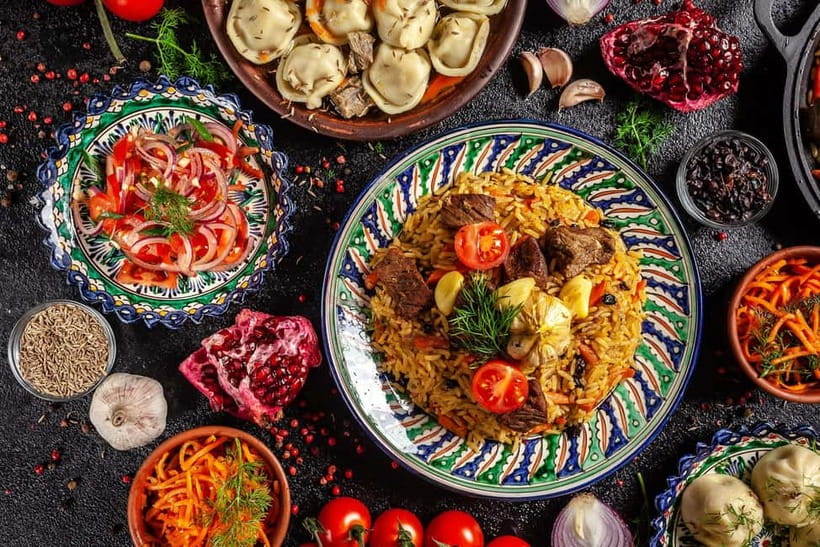
- Classic Uzbek dishes like plov, lagman, manti, and shashlik built into the tasting flow
- Besh Qozon Pilaf Center visit, giving plov more attention than a quick roadside sample
- Hands-on moments you might see, such as bread-making or a mini cooking-style activity
- Lunch included, which helps this stay good value at $99
A 4 hour food plan that actually works in Tashkent
This tour is built for people who want more than a plate. You spend about four hours moving through Tashkent with a comfort vehicle pick-up in the city, then you get guided tasting blocks that keep the pace from feeling chaotic. It is short enough to fit into a busy day, but long enough that you do not just graze, you learn.
The small group size matters. With a maximum of 10 participants, you are more likely to hear explanations clearly and ask questions without waiting for a microphone moment. And since the guide is there live in English or Russian, you are not left translating smells and signage on your own.
The biggest practical upside is that the price includes multiple tastings plus lunch. At $99 per person, that is not a bargain lunch deal, but it does bundle the things that usually add up: a guide, transport, and several food stops rather than one restaurant meal. If you normally spend a lot of time hopping between places solo, the structure can feel like good value.
Chorsu Bazaar: where your senses get the first lesson
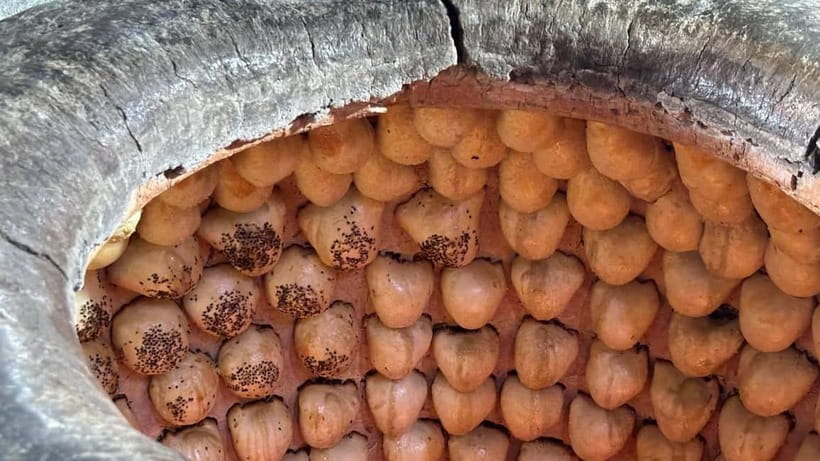
Chorsu Bazaar is the kind of place that tells you what Uzbek cuisine is really made of: bread, spices, dried fruits, and the small snacks people eat as they shop. During your time there, you get a guided walk with a photo stop, plus tasting-style opportunities like freshly baked bread and artisanal sweets.
What I like about starting (or returning) to the bazaar is the cause and effect. When you first taste, then you see where the ingredients come from, the flavors make more sense. You also get the human side. Vendors explain and interact, and you learn why certain staples show up again and again.
You should, however, come with realistic expectations about comfort. Market time usually means more standing and walking than a museum stop. Wear comfortable clothes, and be ready to move at a local pace. If you want quiet, cushy, air-conditioned tourism, this part may feel like the opposite. But that is exactly why it works for a food-focused day.
More plov, more samsa, more Tashkent
- Tashkent: Uzbek Culture, Food, Crafts & Pottery Masterclass
★ 5.0 · 24 reviews - With John Private Tashkent city & Food tour
★ 5.0 · 13 reviews - Food tour in Tashkent
★ 4.7 · 7 reviews - Tashkent: 4 Hour Food Tour and Metro Journey with a Guide
★ 5.0 · 4 reviews
Classic plates you will likely taste, and what to look for
The tour is designed around recognizable Uzbek favorites. Expect tastings tied to dishes like plov (pilaf), lagman (noodle dish), manti (steamed dumplings), and shashlik (grilled meat). You may also see sides and snack items that usually travel with these meals, such as dried fruits, traditional sweets, and the kind of bread that comes out warm enough to change the whole mood of a table.
Here is a practical way to enjoy the tasting without overthinking it.
- Plov: Pay attention to the balance, not just the rice. Look for the way fat, spices, and aromatics come together. If the guide talks about ingredients, listen to the order of what goes in and when.
- Lagman: Focus on the noodles and sauce relationship. You usually notice how thick, spiced, or brothy the dish feels compared to what you get elsewhere.
- Manti: Take note of the steam, the dough texture, and the filling seasoning. Good manti tastes like it was planned, not assembled at the last second.
- Shashlik: Notice the smoke and spice level. If it is grilled well, you get a clean char flavor rather than only salt and heat.
The guide is there to connect these flavors to culture and ingredient choices, not just to name the dish. That is also where the experience can rise or fall. In positive feedback, Ibrahim gets credit for explaining food and spices clearly, along with general context that makes the tasting stick. If you want strong spice history, ask questions early and keep one eye on how much the guide explains during each stop.
The two guided tasting blocks before Chorsu
Between pickup and Chorsu Bazaar, you get additional guided tasting time. The flow is built around short stops, guided tasting, and conversation, so you are not left guessing what you should order or how to describe what you like.
These earlier segments matter because they set your taste baseline. By the time you hit the market and later the pilaf-focused stop, you will recognize patterns. You start noticing how cumin-like warmth, grilled meat flavors, tomato-based notes, and dough-based comfort show up across dishes. You also learn what ingredients the guide considers “core” versus “nice to have.”
One drawback to keep in mind: the exact mix of places can vary. A fair heads-up from past experiences is that some days may include more mainstream or chain-style meals alongside local food. If you are traveling specifically for street stalls and family-run cooking, you might want to ask your guide a quick check-in question during the first stop, something like what percentage of the day will be local market or neighborhood spots. You do not need to be difficult, just direct.
Chasing plov at Besh Qozon Pilaf Center
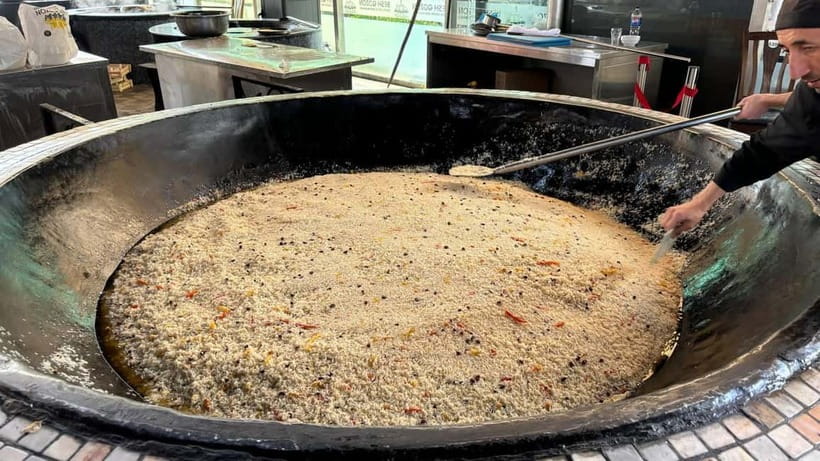
Not every food tour gives plov a dedicated stop. This one does, with a visit to Besh Qozon Pilaf Center and another guided tasting block. That design tells you something important: plov is not an afterthought here. It is a centerpiece, and the center format usually means you get clearer explanations about how pilaf is prepared and served.
Why this matters for you: when you learn what makes plov work, you stop treating it like just “rice with stuff.” You start tasting the structure. The richness, the spice level, and the way meat and aromatics support the rice all show up in the first bites. If the guide talks about preparation or cultural significance, this is where those stories usually land best because you are eating the star dish on purpose, not by accident.
There is one practical consideration, though. A pilaf center can be popular and busy. Your best move is to be ready for a slightly more organized, restaurant-like atmosphere compared with market chaos. If you are the type who loves to watch vendors at work every ten minutes, you might find the center less “street.” Still, it is a smart way to focus on a classic without guessing.
Lunch included, and why that makes the price feel fair
Lunch is included in the tour, and that is a big piece of the value equation. At $99 per person for a four hour guided experience with transport, tastings, and a guided lunch, you are paying for convenience plus curation. You are not just paying for food. You are paying to have someone guide you through choices, explain dishes, and keep the day flowing.
Here is how to think about whether it is worth it for you.
- If you want to try several Uzbek dishes but you would otherwise eat one meal and wander, this tour compresses a lot into one organized block.
- If you enjoy markets and guided context, the bazaar stop plus the pilaf focus give you more learning than typical “one restaurant” tours.
- If you already have a tight plan and only want one or two dishes, you might not use the full value.
In other words, this tour is best when you want variety and you want someone to translate the food into meaning.

Your guide experience, and what to expect from the explanations
A guide can make or break a food tour. The good news is that this tour’s format depends heavily on a live guide, not just a route map. In reviews, Ibrahim is praised for doing two things that matter: he explains different foods clearly and adds broader knowledge beyond the plates themselves.
That said, another review points to limited knowledge of food and spices in one case, plus a feeling that the schedule leaned toward more commercial places later in the day. You cannot control what the group day looks like, but you can influence how well the tour fits you. When the guide starts speaking at a stop, pay attention to the questions he answers. If you feel the explanation is thin, ask one follow-up question right away, like what ingredient makes this dish taste different or how people traditionally eat it.
If you speak English or Russian, use the language option to your advantage. You want the guide’s stories, not just the food.
What to bring, what not to do, and how to dress for comfort
This tour is practical. Dress in comfortable clothes, because you will likely spend meaningful time walking and standing around food spots and the market area. If you get cold easily, consider a light layer, since market days can feel cooler near open spaces.
There are also clear behavior rules: alcohol and drugs are not allowed. Plan to keep the day focused on tasting and learning rather than on drinking or partying.
The tour is not suitable for babies under 1 year. Beyond that, it fits most adult travelers who can handle a few hours of walking and eating.
Who this food tour is best for
I think this is a strong fit for you if you fall into one of these categories.
- You want a structured way to taste Uzbek staples without needing to order perfectly.
- You enjoy markets and want a guided explanation of what you see and taste.
- You want a “learning through eating” experience, where someone tells you why dishes exist and how they are made.
It may be a weaker fit if you are only into off-the-grid street food and nothing else. The day can include less local-feeling meals, and the center-style pilaf stop is more organized than alleyway grilling. Also, if you are very sensitive to crowds or standing, plan your energy and keep expectations realistic for market time.
Should you book this Tashkent food tour?
Yes, you should book it if you want the best shot at tasting multiple Uzbek dishes in one half-day, plus eating lunch with a guide and getting context at major Tashkent food stops. The small group setup, the English or Russian live guide, and the inclusion of tastings and lunch make the $99 feel more reasonable than typical “just food” deals.
Skip it or at least ask questions first if your top priority is 100 percent street-only dining, with no chain-style stops and no restaurant-like segments. Also, if spice and ingredient explanations are your main reason for booking, try to gauge early how much depth the guide provides during the first tasting block.
If you want variety, guidance, and a day that turns food into understanding, this is a solid bet for Tashkent.
FAQ
How long is the food tour in Tashkent?
The tour lasts 4 hours.
How much does the tour cost?
The price is $99 per person.
Is lunch included?
Yes. Lunch is included in the tour.
What languages are the guides available in?
The live tour guide speaks English and Russian.
Is pickup included?
Yes, pickup is included. You need to contact and inform the provider your pickup location.
Can I cancel for a full refund?
Yes. You can cancel up to 24 hours in advance for a full refund.
More Tours Around Uzbekistan
The Full Uzbekistan Review Pile

Eat Your Way Round Tashkent
More of Uzbekistan we have reviewed
- Uzbekistan 6 days / 5 nights tour★ 5.0 · 3 reviews
- Tashkent Mountain Tour Amirsoy with Transport★ 3.5 · 3 reviews
- Private Tashkent City Tour★ 5.0 · 3 reviews
- Transfer Tashkent Airport / Railway Station – Hotel★ 3.5 · 3 reviews
- Tashkent: 3-Day Horseback Riding Tour in Chimgan Mountains★ 4.4 · 3 reviews
- Samarkand: Uloq-Kopkari (Buzkashi) Game Day Tour★ 5.0 · 3 reviews
Tashkent Food Tours & Cooking Classes, compared.
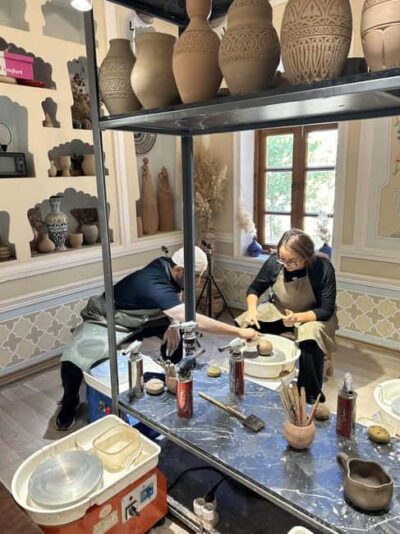 ★ 5.0Tashkent: Uzbek Culture, Food, Crafts & Pottery MasterclassFrom $8524 reviews
 ★ 5.0With John Private Tashkent city & Food tourFrom $7313 reviews
 ★ 4.3Plov and Samsa Cooking Class in TashkentFrom $1606 reviews
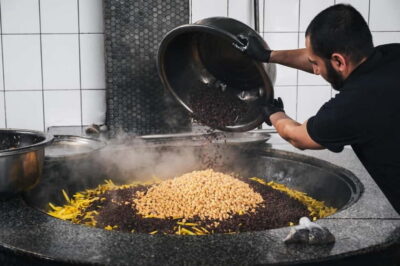 ★ 5.0Tashkent: 4 Hour Food Tour and Metro Journey with a GuideFrom $1004 reviews
Browse the lists this tour appears in