
Review · TASHKENT
Tashkent Soviet Architecture (Modernism) and Subway station tour.
Soviet Tashkent looks best underground. This tour strings together Tashkent metro architecture and big-city landmarks in one smart 2.5-hour outing, with a guide who makes the modernism make sense. I love the chance to ride the opulent metro system, and I love the way the route connects squares, monuments, and Soviet-era building stories, including the Uzbekistan Hotel viewpoint. One possible drawback: it is an outdoor walking tour, so you will want good weather and comfy shoes.
The private format is the other big win. You can go solo or bring up to 20 people, and guides like Aziza (and other guides mentioned such as Waheed, Mirwaheed, and Mirvoxid) will often adjust what you focus on, instead of sticking rigidly to a script.
You start and end at Hotel Uzbekistan, which makes the day feel easy. You will also use a mobile ticket, and the pacing is meant to be comfortable while still keeping the momentum for a full mini-introduction to the city.
In This Review
- Key reasons this Soviet architecture and subway tour works
- Why Tashkent Soviet modernism feels so different in person
- Price and what $50 realistically buys in Tashkent
- The best way to plan your meeting point at Hotel Uzbekistan
- Amir Temur Square to the Uzbekistan Hotel story: where Soviet scale meets local meaning
- Mustakillik Square, the Palace of Duke Romanov, and a quick hit of history
- The metro ride: Soviet station architecture and top stops worth seeing
- Friendship of Nations Palace and Square: politics, design, and public space
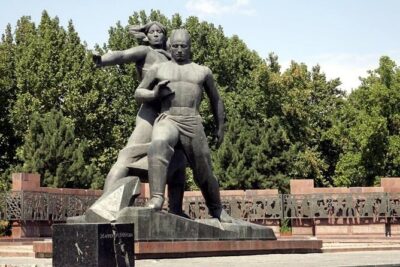
- Monument of Courage after the earthquake: Soviet rebuilding written in stone
- Chorsu Bazaar food stalls: a local pause that keeps the tour human
- The guide makes or breaks it, and the names you might meet help
- Who should book this Soviet modernism and subway station tour
- Should you book it? My practical call
- FAQ
- How long is the Tashkent Soviet architecture and subway station tour?
- What is the price per person?
- Is this a private tour?
- What does the tour include?
- What is not included in the price?
- Where do I meet and where does it end?
- Is the mobile ticket required?
- What is the weather requirement?
- Are service animals allowed?
- Can I cancel and get a full refund?
Key reasons this Soviet architecture and subway tour works
- Metro time is the centerpiece, not an afterthought, with a ride and a guided look at the most impressive stations.
- Soviet-era context is the whole point, from major squares to the Uzbekistan Hotel area and post-earthquake memory.
- Private group flexibility, from 1 to 20 people, helps if your interests are specific (modernism, monuments, or metro stations).
- Landmarks plus everyday Tashkent means you get both iconic public spaces and a taste of local food energy near Chorsu Bazaar.
- Most stops have no admission fee, so your money mostly goes to the guide and the metro experience.
Why Tashkent Soviet modernism feels so different in person
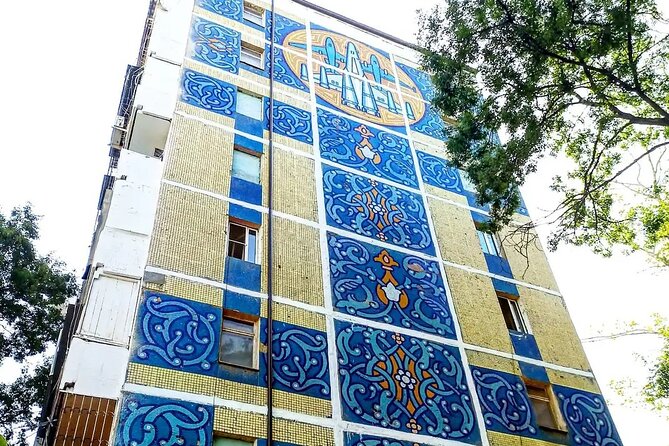
Tashkent Soviet architecture is not just concrete and symmetry. It is about how a whole society tried to plan daily life, celebrate power, and rebuild after major events, all while Uzbekistan kept its own cultural rhythms in the mix.
That is why this tour works. It treats Soviet modernism as something you can read in layers. You see it in the grand public squares, in the way buildings frame wide streets, and in how the metro stations turn a commute into a visual show. Then you connect it to nearby monuments and memorial themes, including a Soviet architecture stop tied to the earthquake-era rebuilding narrative.
If you like architecture but get bored by long lectures, you will probably appreciate the balance here. The guide points out what to look for, then helps you understand why it looks the way it does. This is the kind of context that is hard to pull from a map.
Price and what $50 realistically buys in Tashkent
At $50 per person for about 2 hours 15 minutes, the value comes from two things.
First, it is guided, private, and flexible. A solo traveler is not stuck in a large group with strangers. That matters in a city where signage and history can take extra effort to piece together on your own.
Second, the metro portion is part of the deal. The metro visit includes admission (so you are not paying extra just to experience the main attraction). In contrast, other landmark stops on the route are listed as free entry, which keeps your total day from turning into a pile of small fees.
A couple of practical notes so expectations match reality:
- All fees and taxes are listed as not included.
- Transport fee is also listed as not included.
So the tour is a strong core value, but it does not magically cover every cost beyond the included guided and metro parts. If you plan to use taxis or extra transit beyond the walk, budget for it.
More of Tashkent, above and below ground
- Tashkent City Tour
★ 5.0 · 121 reviews - Highlights of Tashkent (old and new part)
★ 5.0 · 60 reviews - Tashkent city tour
★ 5.0 · 50 reviews - Tashkent: Private Full-Day City Tour on a Premium Car
★ 4.8 · 38 reviews
The best way to plan your meeting point at Hotel Uzbekistan
Meeting at Hotel Uzbekistan and ending there is a gift. It is simple, and it reduces the stress that often comes with city walks.
Start location is Hotel Uzbekistan on Mirzamakhmud Musakhanov Street 45 in Tashkent. The tour also ends back at the same hotel area. That means you can:
- Eat after the walk without figuring out transit from scratch.
- Still visit other nearby sights if you have time.
- Keep your plans flexible, since you are not stranded at some far-off stop.
One thing to take seriously: when tours start, minutes matter. If you arrive early and stand at the correct hotel entrance, you avoid that awkward scramble that can happen when groups are trying to locate each other at a busy landmark.
Also, this experience requires good weather. If conditions are poor, you are offered a different date or a full refund. So if you are traveling in a season with rain risk, consider booking early enough that you have backup dates.
Amir Temur Square to the Uzbekistan Hotel story: where Soviet scale meets local meaning

Your first stop is Amir Temur Square. This is not just a dramatic open space. It sets the tone for the whole tour by anchoring you in Tashkent’s big public-face architecture.
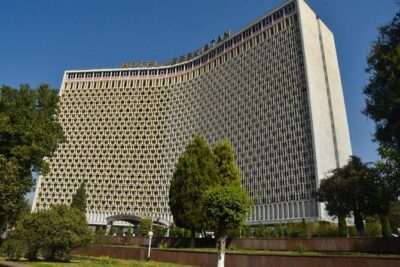
From here, the guide connects the square with the Uzbekistan Hotel architecture and tells you the backstory in a way that helps you notice details fast. You learn what to look for, like how Soviet-era building design tries to project authority and order, and how those choices show up in real sightlines.
If you are the kind of person who takes photos but feels lost about what you are photographing, this first segment helps. You will likely understand the Soviet design logic by the time you move on, which makes the rest of the walk more rewarding.
Mustakillik Square, the Palace of Duke Romanov, and a quick hit of history
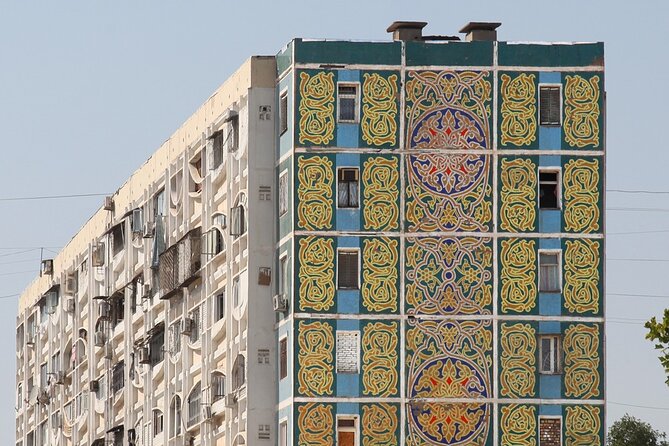
Next is Independence Square, also known as Mustakillik Square. Here, the tour keeps things efficient: you get a focused look at key buildings and what they represent without turning the day into a museum marathon.
You will cover:
- The Palace of Duke Romanov
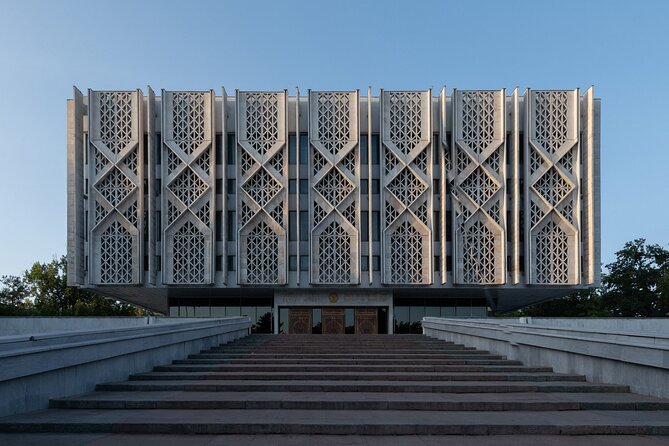
- The Museum of History of Uzbekistan
Even if you do not spend a long time inside, the point is to give you context for why these sites matter in how Tashkent tells its story. The guide’s job is to connect the visual style with the historical timeline, so you are not just seeing impressive buildings in isolation.
This stop is listed as shorter, so it is a good moment to ask questions while the guide is still in explanation mode. If you want to tailor your interest, this is where you can steer the conversation toward the themes you care about most, like Soviet-era symbolism, reconstruction, or how public squares became cultural stages.
The metro ride: Soviet station architecture and top stops worth seeing
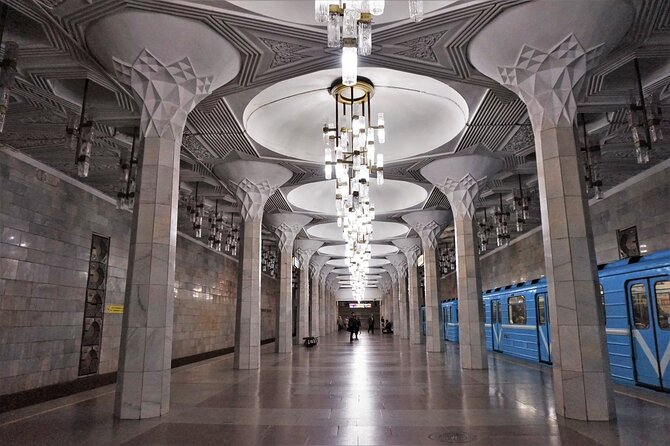
Then comes the star attraction: the Tashkent metro tour.
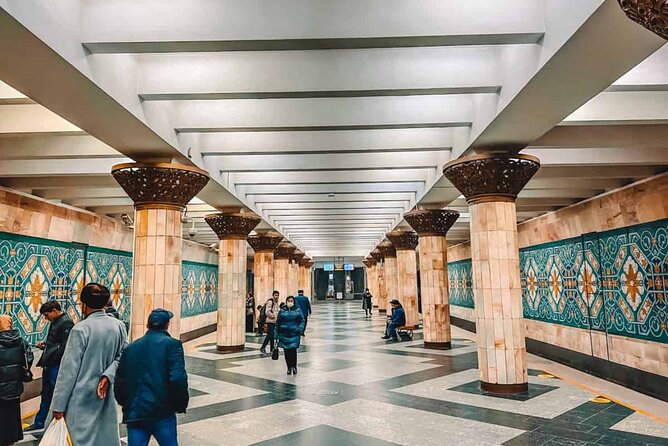
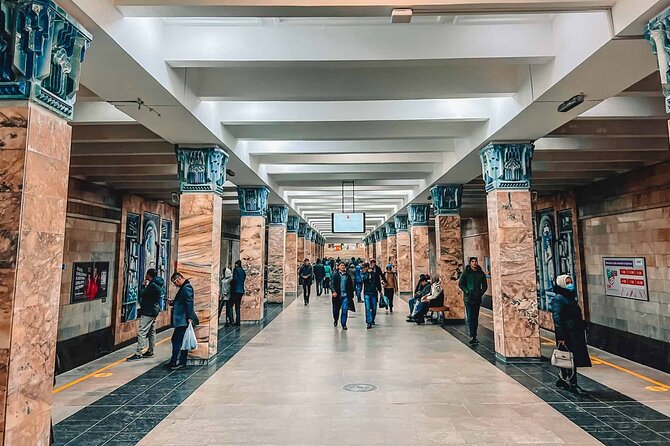
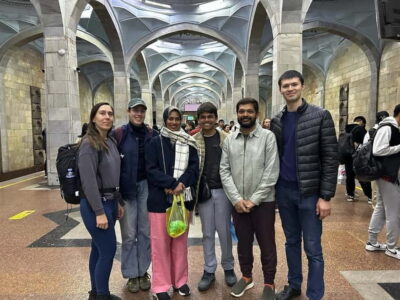
You will ride the subway system with your guide and focus on beautiful stations, generally the top 3 to 4. The idea is to show you the architecture in a way that is practical. Metro stations are not just backdrops. They are designed spaces where Soviet modernism meets mass movement, daily routine, and a strong sense of ceremony.
A helpful detail from guide-led experiences is that you may see stations that many visitors put on a bucket list, such as Cosmonaut station, depending on the route and timing. Even if your exact station lineup varies, the guided focus means you will not miss the visually most impressive parts.
What I like about making the metro a guided event is that it changes your mindset. Instead of thinking, I am just getting from A to B, you start thinking, I am traveling through planned space. You will notice:
- How the station layout guides crowds
- How finishes and lighting shape mood
- How design style signals status and identity
It is also a break from walking. After square-heavy views and building explanations, the metro ride gives you a different kind of architecture, one you experience in motion.
Friendship of Nations Palace and Square: politics, design, and public space
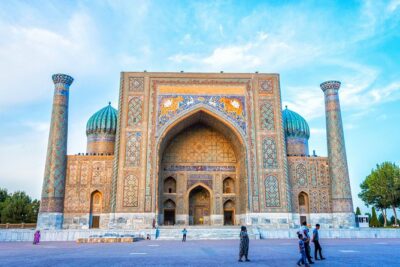
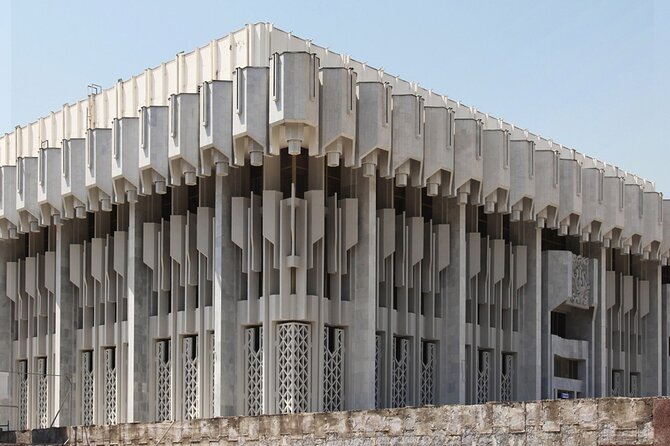
Next, you head to the Friendship of Nations Palace and Friendship of Nations Square.
This stop is interesting because it shows a different flavor of Soviet-era public architecture. The theme is international, but the form is still about grand scale, formal symbolism, and the idea of a planned civic stage.
If you like architecture that comes with a message, this is where the tour helps you connect dots. You are not just looking at buildings. You are seeing how state narratives got put into stone, layout, and ceremonial public areas.
This is also a good segment for taking wider photos. Squares tend to give you scale clues that close-up street shots never will.
Monument of Courage after the earthquake: Soviet rebuilding written in stone
You also stop at a monument of courage connected to Soviet architecture after the earthquake.
That is a key theme to understand in Tashkent. Soviet modernism here is not only about style. It is also about survival, rebuilding, and how memory gets shaped into visible landmarks.
The guide’s explanation helps you see this stop as part of the same system of meaning as the squares and major civic buildings. Once you understand the earthquake-era rebuilding context, the architecture reads differently. It stops feeling like pure design trivia and starts feeling like history you can point to.
Chorsu Bazaar food stalls: a local pause that keeps the tour human
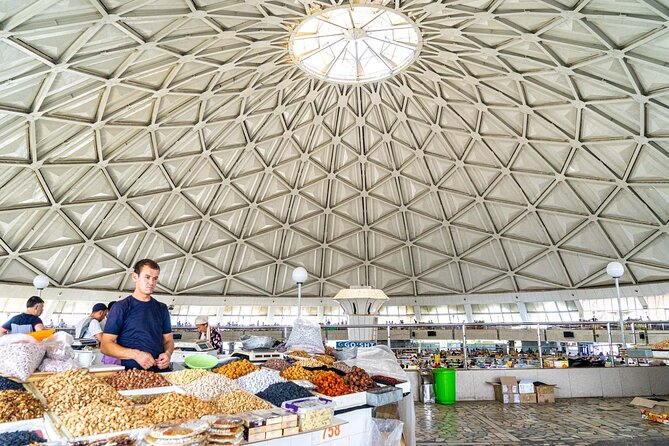
Even with the Soviet modernism focus, the tour includes a trip that connects you to local everyday life, including food stalls around Chorsu Bazaar.
This matters because it stops the day from feeling like an architecture lecture with snacks skipped. Bazaar time gives you texture: the sounds, the hustle, and the normal rhythm of city life that Soviet planning had to share space with.
You do not need to be a big foodie to enjoy this part. It is more about grounding the architecture in real Tashkent, not keeping it in a museum-like bubble.
The guide makes or breaks it, and the names you might meet help
The strongest common thread from strong guided city walks is simple: good guides explain what you are seeing in a way you can use right away.
In this tour, the guides named across experiences include Aziza, Azizeh, Waheed, Mirwaheed, and Mirvoxid. The consistent theme in those guides’ approach is that they keep a comfortable walking pace, share history and architecture context, and usually add practical ideas for what to do after the tour.
This matters because architecture tours can easily become two problems:
- You see a lot but remember nothing.
- You learn history but miss the visual cues.
A good guide fixes both. You walk away with a mental map of how Tashkent’s Soviet modernism fits together, plus a sense of where to spend extra time on your own.
Who should book this Soviet modernism and subway station tour
This is a great fit if:
- You are visiting Tashkent for the first time and want an efficient orientation.
- You love Soviet-era design, especially when it is tied to real city history.
- You want a metro ride that feels like part of sightseeing, not just transit.
- You prefer private guidance so your route and questions feel personal.
It may be less ideal if:
- You dislike walking outdoors, since the format is a walking tour.
- You hate public transit settings or feel uncomfortable in crowded station environments.
- You expect transport costs to be fully included. The tour lists transport fees as not included.
Should you book it? My practical call
If you want a focused introduction to Tashkent Soviet architecture with the metro as the highlight, this is a smart booking. The $50 price makes sense when you consider that the guide-led metro experience is built in, many landmark stops are free, and the private format keeps the day feeling flexible.
I would book this if you plan to spend at least part of your trip learning the city’s built layers, not just ticking off photos. It is the kind of tour that helps you look at Tashkent with better questions, even after you leave the subway stairs.
If you are only in town for a very short time, or you hate walking, you might choose a shorter, single-site option. But if you have a morning or afternoon window, this one gives you a lot of clarity fast.
FAQ
How long is the Tashkent Soviet architecture and subway station tour?
It runs about 2 hours 15 minutes.
What is the price per person?
The price is $50.00 per person.
Is this a private tour?
Yes. It is a private tour/activity, and only your group participates.
What does the tour include?
It includes a guided tour, and the metro segment has admission included.
What is not included in the price?
All fees and taxes are not included, and transport fee is also not included.
Where do I meet and where does it end?
The tour starts at Hotel Uzbekistan, Mirzamakhmud Musakhanov Street 45, Tashkent, and it ends at the same hotel address.
Is the mobile ticket required?
The tour lists mobile ticket as part of the experience.
What is the weather requirement?
The experience requires good weather. If it is canceled due to poor weather, you will be offered a different date or a full refund.
Are service animals allowed?
Yes, service animals are allowed.
Can I cancel and get a full refund?
You can cancel up to 24 hours in advance for a full refund.
More Tours Around Uzbekistan

The Full Uzbekistan Review Pile

Tashkent, More Ground To Cover

More of Uzbekistan we have reviewed
- Uzbekistan 6 days / 5 nights tour★ 5.0 · 3 reviews
- Tashkent Mountain Tour Amirsoy with Transport★ 3.5 · 3 reviews
- Private Tashkent City Tour★ 5.0 · 3 reviews
- Transfer Tashkent Airport / Railway Station – Hotel★ 3.5 · 3 reviews
- Tashkent: 3-Day Horseback Riding Tour in Chimgan Mountains★ 4.4 · 3 reviews
- Samarkand: Uloq-Kopkari (Buzkashi) Game Day Tour★ 5.0 · 3 reviews
Tashkent City & Metro Tours, compared.
 ★ 5.0Tashkent City TourFrom $69121 reviews
 ★ 5.0Highlights of Tashkent (old and new part)From $12060 reviews
★ 5.0Tashkent city tourFrom $9050 reviews
★ 5.0Highlights of Tashkent (old and new part)From $12060 reviews
★ 5.0Tashkent city tourFrom $9050 reviews
 ★ 4.8Tashkent: Private Full-Day City Tour on a Premium CarFrom $12538 reviews
 ★ 4.5Tashkent Walking Tour with Local Lady / GentlemanFrom $4529 reviews
 ★ 4.7Tashkent: City Tour with Pro Photography, Lunch & DinnerFrom $8016 reviews
 ★ 5.0Tashkent TourFrom $6513 reviews
 ★ 5.0With John Private Tashkent city & Food tourFrom $7313 reviews
Browse the lists this tour appears in