
Review · EVENING EXPERIENCES
Fergana – Golden Valley From Tashkent 1 night / 2 days
A road trip over a pass and into craft workshops. That mix is what makes this Fergana Golden Valley trip so satisfying, with Ali guiding you through Kokand, Rishtan, and Margilan, plus hands-on time tied to the region’s famous silk making. The main thing to plan for is the long drive day one, because the views and stops mean you are on the move for hours.
What I like most is how the schedule balances big sights with everyday skills. You get the dramatic altitude of Kamchik Pass, then real workshop-style culture in Margilan and Rishtan, all in a private-group setup with an air-conditioned vehicle. One practical note: the Kumtepa bazaar stop only happens on specific days.
In This Review
- Key Highlights You’ll Actually Feel
- Why Fergana Valley Feels Different From Big-City Tourism
- Day 1 From Tashkent: 08:00 Departure and the Kamchik Pass Moment
- Kokand in Detail: Khan Power, a Mosque, and a Necropolis Stop
- Margilan and the Silk Factory Yodgorlik: Where “Handmade” Becomes Real
- Day 2 Morning: Kumtepa Bazaar Only on Thursdays and Sundays
- Rishtan Ceramics: Watching the Process at a Master’s House
- Return Over Kamchik Pass: Closing the Loop to Tashkent
- Price and What You’re Really Paying For (Around $230 Per Person)
- Who This Tour Is Best For (and Who Might Want Another Option)
- Small Practical Tips That Make a Difference
- Should You Book This Fergana Golden Valley 2-Day Tour?
- FAQ
- What time does the tour leave Tashkent?
- How long does the drive take from Tashkent to Margilan?
- What sights do you visit in Kokand?
- Do you visit the silk factory in Margilan?
- Is the Kumtepa Bazaar stop daily?
- Can you participate in the ceramics activity in Rishtan?
- What is included in the price?
Key Highlights You’ll Actually Feel
- Ali’s clear, friendly explanations that connect the history to what you are seeing
- Handmade silk production at Yodgorlik, including ikat and batik materials
- Kamchik Pass at about 2,000 meters, with mountain views and a spring tulip chance
- Rishtan ceramics at a master’s house, with a chance to participate in the process
- Private group comfort, with hotel pickup and an air-conditioned vehicle
- Kumtepa Bazaar timing matters, since it runs only on Thursdays and Sundays
Why Fergana Valley Feels Different From Big-City Tourism
Fergana Valley has a reputation for being less spoiled by total tourism, and you can feel that in the pace. Instead of rushing through identical photo stops, the route pushes you toward places where people actually work: silk production, ceramic making, and the kind of local marketplace energy that is hard to manufacture.
This tour also makes a useful promise for your time. In two days you cover the region’s most popular anchors (Kokand and Margilan) and add craft depth through Rishtan ceramics and the famous silk industry. For many people, that turns a quick trip into something you can remember for the right reasons, not just by looking at buildings.
One more smart detail: your guide time is concentrated on the cultural heavy-lifting cities (Kokand, Rishtan, and Margilan). That helps you get context when it matters most, instead of spending the whole trip listening through the car window.
Day 1 From Tashkent: 08:00 Departure and the Kamchik Pass Moment
You start with a straightforward morning plan: departure at 08:00 from Tashkent (hotel, airport, or railway station). The drive to Margilan is about five hours, but it never feels like one long, silent transfer. You build in sightseing stops, including the big one, Kamchik Pass.
Kamchik Pass is the strategic gateway between the Golden Valley and the capital. It climbs to around 2,268 meters above sea level, and the route reaches roughly 2,000 meters, where the views over the Western Tien Shan mountains can be impressive. If you travel in spring, you may be able to spot mountain tulips, depending on conditions and timing.
What this pass does for your trip is psychological. After a city start in Tashkent, the altitude and open mountain air reset your expectations. You arrive ready to look at Kokand and Margilan as regional stories, not just individual attractions.
Kokand in Detail: Khan Power, a Mosque, and a Necropolis Stop
After crossing the pass, you continue to Kokand, often called the City of Winds. Kokand is one of the best places in the valley to connect power, architecture, and everyday life in one sweep.
Your Kokand time includes:
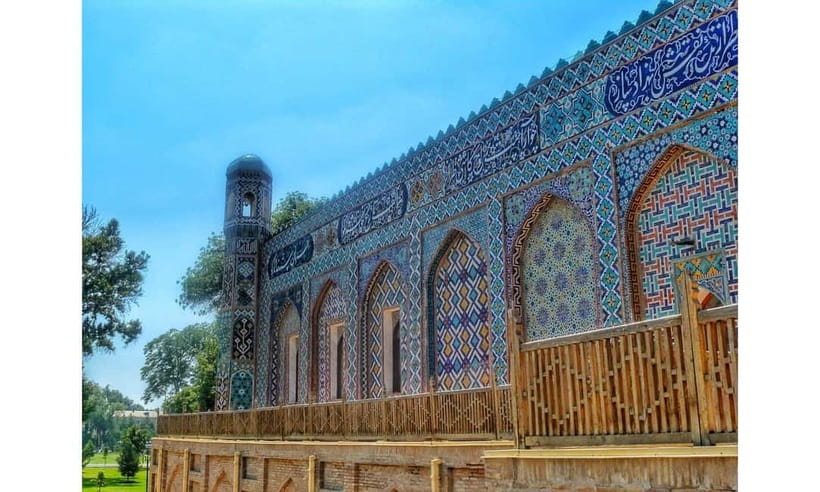
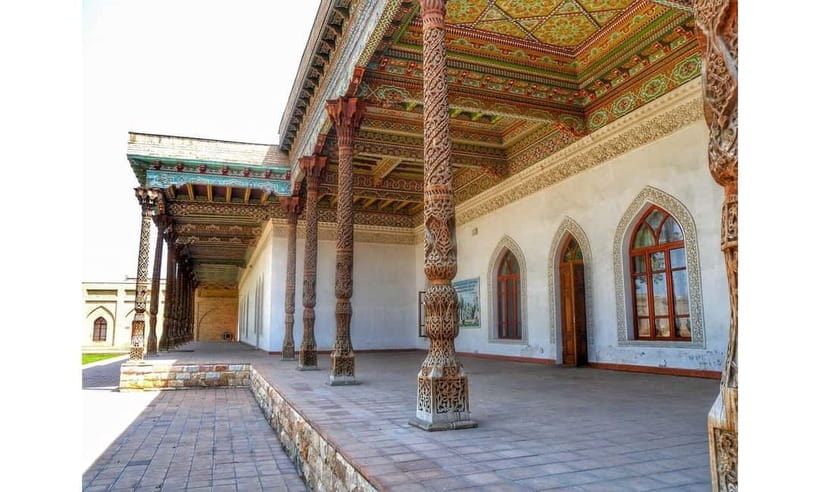
- Khudayarkhan Palace, tied to the residence of the last khans of Kokand
- Jami mosque, a major religious landmark
- Dakhmai shahan necropolis, connected to the last khans
The palace stop matters because it is not just a pretty structure. It is the setting for how rulers expressed authority, what their homes represented, and how that authority shaped the city. The mosque adds the other side of the same story, showing how spiritual life and civic identity overlap. Then the necropolis gives the weight and finality behind the dynasty tale, so the whole theme feels complete.
One practical tip: comfortable shoes help here. Between palace grounds, mosque areas, and paths around the necropolis, you are on your feet enough that you will appreciate good grip and cushion.
Margilan and the Silk Factory Yodgorlik: Where “Handmade” Becomes Real
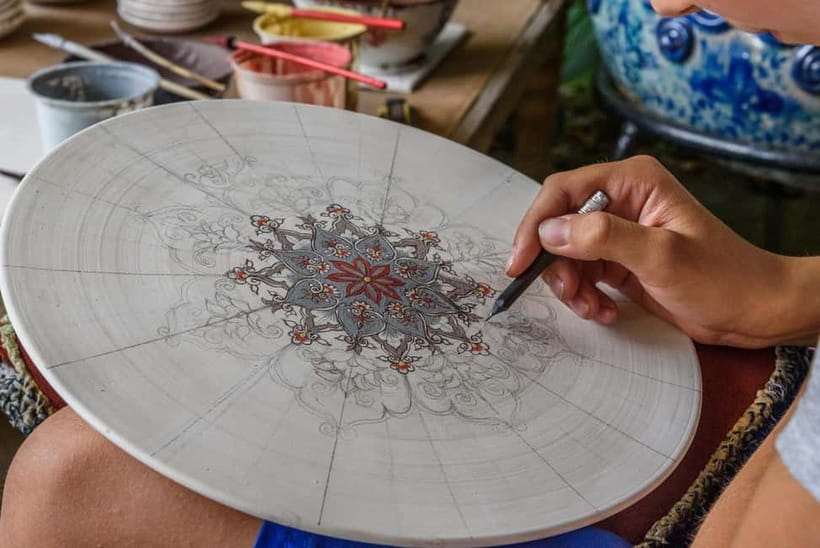
Once you reach Margilan, the trip turns from historical monuments to craft work, and that is where the experience gets especially memorable. Margilan is known as a center of the silk industry in Central Asia, and your highlight is the silk factory Yodgorlik.
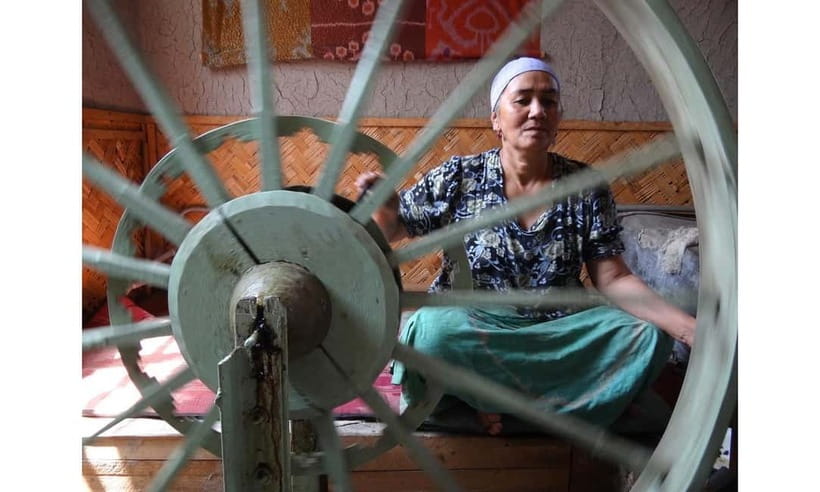
You do not just watch silk from a distance. You get an introduction to handmade silk production, with a look at how manual processes create materials associated with ikat and batik. That matters because these are terms people hear in museums, but here you can see the steps behind the finished patterns.
This is also one of the best “value-per-minute” moments in the whole schedule. The factory visit gives you context for why silk mattered economically, socially, and artistically in the valley. It turns your photos from decorative souvenirs into evidence of a working tradition.
You also get time for a local bazaar in Margilan. It is a good counterbalance after the structured factory setting, letting you see how commerce and daily life sit alongside heritage craft. If you enjoy people-watching, this is where the experience feels most human.
Night one is spent in a boutique hotel (3-star or 3-star level) with breakfast included.
Day 2 Morning: Kumtepa Bazaar Only on Thursdays and Sundays
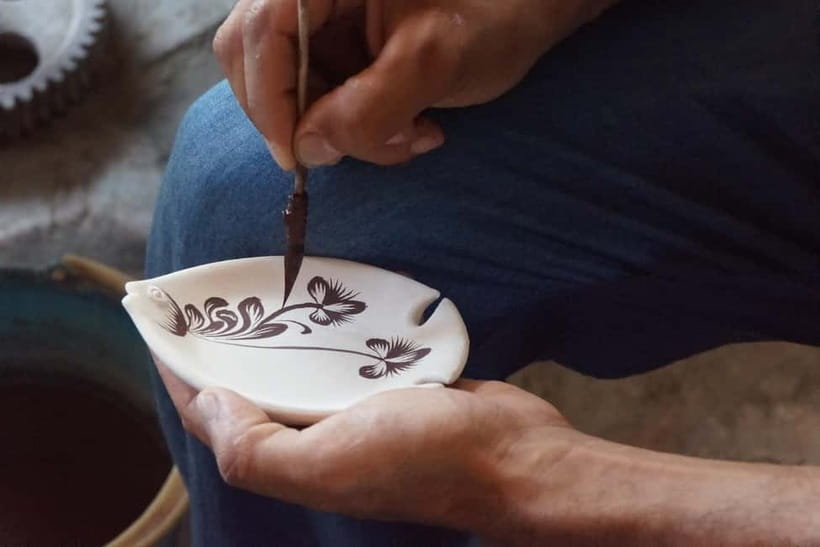
Day two starts with a quieter but important decision point: the Kumtepa Bazaar stop. This is not a daily guaranteed feature. It runs only on Thursdays and Sundays, so the day of your booking affects whether you get the full bazaar atmosphere.
If your schedule matches, Kumtepa is described as an Oriental-style bazaar where you can find almost everything in a chaotic, energetic way. The value here is not that every stall sells the same items you saw elsewhere. The value is the real rhythm of a local market, where you can watch people bargain, compare goods, and move through the space with practiced familiarity.
If you are a buyer, you will likely find plenty to browse. If you are not, you can still get a lot from the experience by focusing on textiles, spices, and local produce cues that hint at the valley’s culture.
Rishtan Ceramics: Watching the Process at a Master’s House
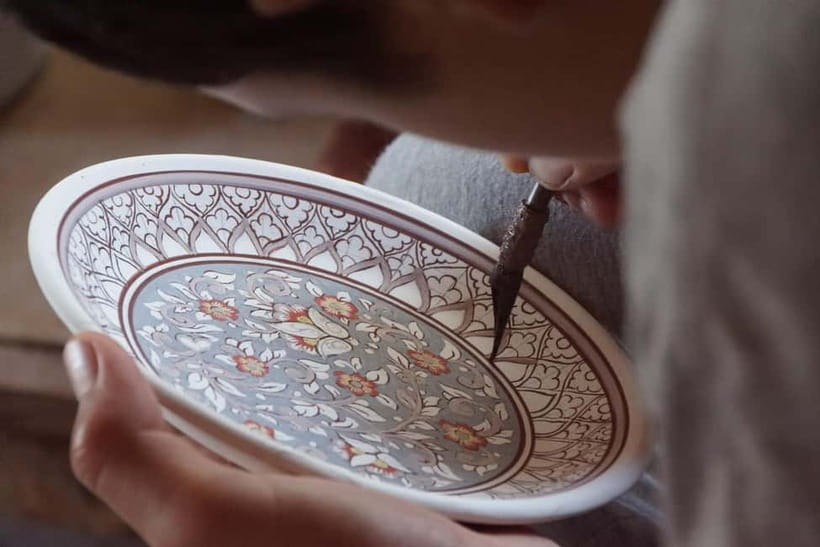
After the market time, you head toward Rishtan, the center of Uzbekistan’s ceramic industry in this region. Rishtan ceramics are often described as one of the more authentic local schools, and the tradition is still actively carried forward.
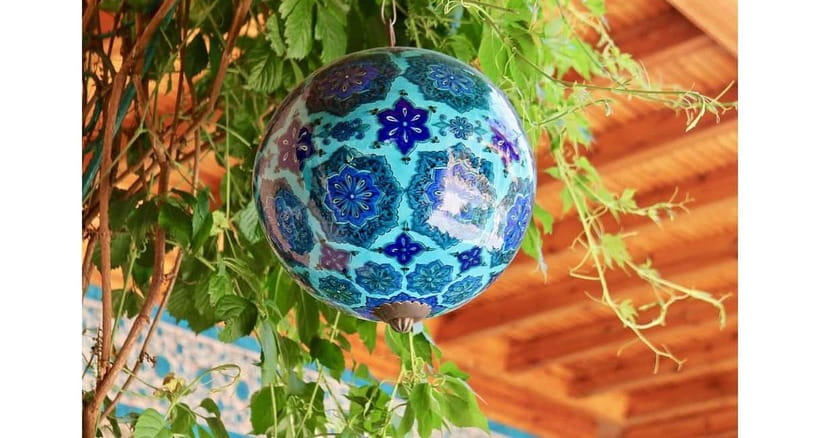
Here, you visit a master’s house tied to ceramic production. This is not a generic showroom stop. You learn about how ceramics are produced, and you can often participate in the process, depending on timing and how your visit is organized.
Why this stop works so well is that it changes your role from spectator to participant. Even if you only try a small part of the work, you come away understanding ceramics as craft labor, not just finished objects behind glass.
Practical note: ceramics days can mean dust and workshop surfaces. Wear comfortable clothes you do not mind getting a little used up, and keep your hands protected if offered instructions.
Return Over Kamchik Pass: Closing the Loop to Tashkent
After Rishtan and the ceramic experience, you head back toward Tashkent. The route includes the Kamchik Pass again as the return transition.
This second crossing is useful in a sneaky way. Day one the pass sets the tone for entering the valley. Day two it helps you recognize the journey as more than transportation. You start to remember it as a corridor of views and changes, not just road time.
It also gives you a clean end to the trip: your two days feel looped together, with history and craft collected in between the same strategic gateway.
Price and What You’re Really Paying For (Around $230 Per Person)
At $230 per person, this two-day trip can look pricey at first glance, especially if you are comparing it to self-guided museum visits. But when you break down what is included, the value becomes clearer.
What you typically get for that price:
- Boutique hotel accommodation (not a basic B&B), plus breakfast
- Private-group transport in an air-conditioned vehicle
- Entrance fees to the monuments you visit
- A professional escort guide for Kokand, Rishtan, and Margilan (English, French, Russian listed; English and Russian are emphasized)
- Introduction to handmade silk production
- All fees and taxes
Lunch and dinner are not included, so you will still pay for meals. But the tour covers the core costs that often add up: private transport across several cities, guided monument access, and workshop time at the silk factory and ceramic production site.
If you want a quick way to experience the Golden Valley’s cultural side with less hassle, that bundled structure is what you are paying for. It is not just scenery, it is guided context plus hands-on craft.
Who This Tour Is Best For (and Who Might Want Another Option)
This is a strong match if you:
- Want a fast, structured two-day introduction to Fergana Valley
- Like crafts with real process, not only objects on shelves
- Appreciate historical context in places like Kokand’s palace, mosque, and necropolis
- Prefer a private group setup so you are not trapped with strangers you cannot chat with
It may be less ideal if you hate car time. The route includes about five hours of driving from Tashkent on day one, and you will also spend significant time on the road across multiple cities in only two days.
Small Practical Tips That Make a Difference
A few details can help you enjoy the trip more smoothly:
- Bring comfortable shoes. Monuments and workshop spaces involve walking.
- Plan for comfortable clothes suitable for a long day outdoors and indoors.
- You cannot have drinks in the vehicle, and food is not allowed in the vehicle. Plan to use breaks for snacks if you need them.
- Local cuisine is usually based on beef or lamb, often with rice or wheat-based dough and vegetables. If you prefer vegetarian food, tell the operator ahead of time, since meat-based dishes are common.
- Alcohol can be harder to find in the Fergana Valley, so do not plan on it showing up easily with meals.
The good news is that the tour is described as customizable. If you have a different start or end point in mind, you can discuss options that keep the program the same price.
Should You Book This Fergana Golden Valley 2-Day Tour?
I think you should book it if you want a balanced two-day mix of Kokand history, Margilan silk craft, and Rishtan ceramics, with the guide role taken seriously. The strongest selling point is that this is not a checklist trip. It is structured around working traditions, and that makes the region feel lived-in.
Book with extra attention to timing if you care about the Kumtepa Bazaar, since it is limited to Thursdays and Sundays. If your travel dates do not match, you still get a lot, but the bazaar component may not land the way you hoped.
If your priority is maximum comfort and minimal travel, you might consider a longer stay in fewer places. But if you want to see the Golden Valley’s story compressed into two efficient days, this route makes a lot of sense, especially with Ali guiding you through the cultural context.
FAQ
What time does the tour leave Tashkent?
The departure is scheduled for 08:00 from your selected pickup point in Tashkent, such as your hotel, airport, or railway station.
How long does the drive take from Tashkent to Margilan?
The drive from Tashkent to Margilan takes about five hours, with sightseeing stops along the way.
What sights do you visit in Kokand?
In Kokand you visit the Khudayarkhan Palace, the Jami mosque, and the Dakhmai shahan necropolis, connected to the last khans of Kokand.
Do you visit the silk factory in Margilan?
Yes. You visit the Yodgorlik silk factory and get an introduction to handmade silk production, including processes related to ikat and batik.
Is the Kumtepa Bazaar stop daily?
No. The Kumtepa Bazaar is visited only on Thursdays and Sundays.
Can you participate in the ceramics activity in Rishtan?
Yes. In Rishtan, at a master’s house, you can get acquainted with the production process and you can also participate.
What is included in the price?
Included are boutique hotel accommodation for one night, breakfast, a professional escort guide for Kokand, Rishtan, and Margilan (for the first day), an air-conditioned vehicle, monument entrance fees, the handmade silk production introduction, and all fees and taxes. Lunch and dinner are not included.
Evening Experiences, compared.
 ★ 3.8Yurt Camp Tour with Night from BukharaFrom $21535 reviews
 ★ 4.6From Khiva To Aral Sea 2-Days One Night In Yurt StayFrom $68820 reviews
 ★ 4.5A Night In The Kyzylkum Desert [1] From KhivaFrom $39910 reviews
 ★ 4.8Aral Sea Tour from Nukus 1 night / 2 daysFrom $5908 reviews
 ★ 5.0Tashkent city Night Tour with Dinner & Free Pro PhotographyFrom $707 reviews
Browse the lists this tour appears in