
Review · TASHKENT MOUNTAINS
3-Day Chimgan Trekking Tour
Tents, passes, and petroglyphs in three days. This 3-day Tian Shan hike is a smart way to leave Tashkent and walk into Central Asia mountain country, with an English-speaking mountain guide and meals included along the way. You get a real guided route through the Tian Shan range, not just a casual walk with a view.
I especially like how this trek balances comfort and effort. You sleep in a two-person tent with camping gear provided, and you’re not stuck figuring out logistics while you’re focused on the trail. That means you can spend your energy on the panoramic vistas and the steady rhythm of the ascent.
One thing to think about first: this is still real hiking, with passes climbing to around the mid-to-high altitude range (Day 2 reaches the highest point in the trek). If you want an easy, low-effort outing, this may feel challenging, especially since your personal packing has a 13kg maximum weight.
In This Review
- Key things that make this Chimgan trek work
- From Tashkent to Chimgan, you’re already doing the hard part
- Day 1: Melovoy pass to Takhta-Jaylov saddle, then down to Marble River
- Day 2: Chetkumbel toward Kubmel (to the highest point), plus petroglyphs at 2400m
- Day 3: Nurekata and Aksakata rivers down to Shuldak at 1050m
- The guide, the pace, and why route changes are part of mountain reality
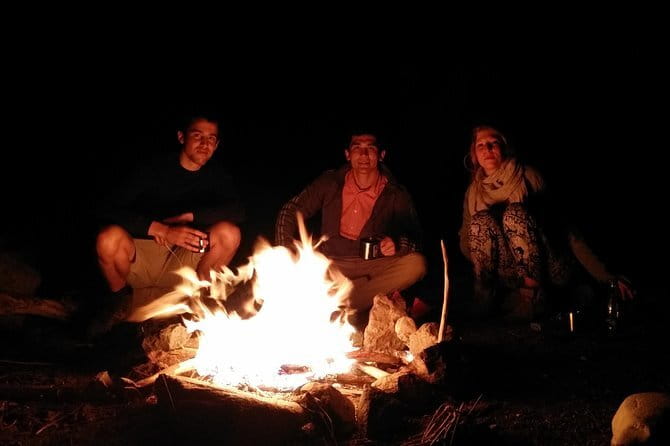
- Camping and meals: what “included” means on the ground
- Luggage, donkeys, and how to pack for a 3-day mountain trip
- What views and wildlife actually add to the walk
- The price, and whether $370 feels fair for what you get
- Who this trek is best for, and who should think twice
- A few real-life details you’ll feel immediately
- Should you book the 3-day Chimgan trekking tour?
- FAQ
- What time does the trek start, and where is the meeting point?
- How long is the Chimgan trekking tour?
- Are meals included during the trek?
- What trekking gear and camping equipment are included?
- Is there help transporting luggage, and what is the weight limit?
- Can I cancel and get a full refund?
Key things that make this Chimgan trek work
- Door-to-door transport from Tashkent and back, so you start and finish with less hassle
- Yaks? no, donkeys and handlers: horses or donkeys move your group gear, so your back stays lighter
- Stone Age-era petroglyphs at about 2400m, a rare stop for a multi-day trek
- Ugam Chatkal National Park walking, with time for flora and fauna you’d miss on the city-only trip
- Tents and sleeping setup included, so you’re not improvising overnight gear
From Tashkent to Chimgan, you’re already doing the hard part
The day starts with a car transfer out of Tashkent. It’s about 98km, roughly 1.5 to 2 hours, to get you into the Chimgan area and set the tone: you’re trading traffic and concrete for altitude and wind. The tour also includes the return ride at the end, so the trek feels like one continuous plan rather than a bunch of separate hops.
Value-wise, I like that the “get there” part is handled for you. Many mountain trips are cheap on paper, then expensive in time and stress once you add extra transport. Here, transport is included as part of the experience, which keeps your budget cleaner.
Day 1: Melovoy pass to Takhta-Jaylov saddle, then down to Marble River
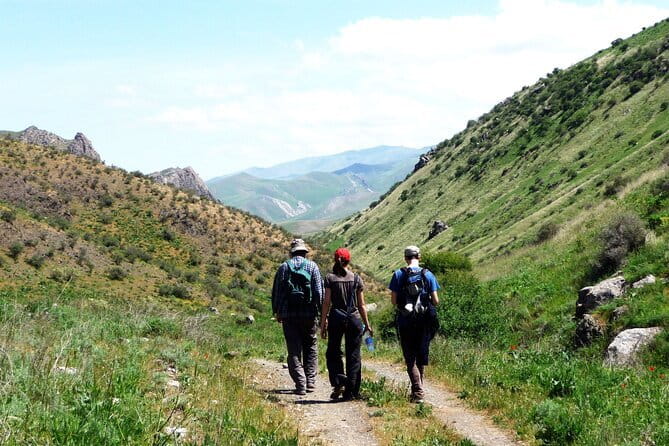
Day 1 is where you earn your bragging rights. You start trekking from Melovoy (1796m), then work up to Takhta-Jaylov saddle (2000m). It’s not an extreme vertical day, but it gets your legs awake, and it gives you that first real “we’re in the mountains now” feeling.
After reaching the saddle, you descend toward the Marble River. That rhythm matters. Going up teaches you how your body responds to altitude. Coming down is where you learn trail technique, especially on uneven ground.
Practical note: the trek includes camping gear and meals, so you’re not only hiking, you’re also participating in camp life. If you’ve only done day hikes, it’s worth mentally switching gears on Day 1. You’ll be tired in a good way, not drained.
Other days out in the Tashkent mountains
- Best of Tashkent Mountains: Amirsoy, Chimgan & Charvak Trip
★ 4.8 · 567 reviews - Tashkent : Premium Amirsoy, Chimgan Mountains & Charvak Lake
★ 4.8 · 190 reviews - Full- Day Tour Tashkent: Amirsoy, Chimgan and Charvak lake
★ 4.8 · 77 reviews - Jade Lake Tour from Tashkent
★ 4.4 · 27 reviews
Day 2: Chetkumbel toward Kubmel (to the highest point), plus petroglyphs at 2400m
Day 2 is the big day. You begin ascending from the Beldersay valley via Chetkumbel pass (1800m), aiming toward Kubmel pass (2550m). That jump in elevation is the reason this trek is rated for moderate fitness. You should be comfortable walking for hours and using a steady pace, not sprinting every incline.
Then comes one of the most memorable elements of the whole itinerary: the petroglyph stop. You can see Stone Age-era petroglyphs at about 2400m along the way. This is the kind of historical detour I love on treks, because it turns the mountain from scenery into a story you can read with your own eyes.
You also get a natural “peak day” feeling because the tour states this is the highest point in three days trekking. Even if you don’t chase photos, you’ll notice the air, the wide views, and the sense of being above the valley noise.
Potential consideration: Day 2 clocks in longer than Day 1. Plan to move at a controlled pace, drink water regularly, and don’t treat the day like a timed race. You’ll enjoy the mountain more when you’re not chasing it.
Day 3: Nurekata and Aksakata rivers down to Shuldak at 1050m
By Day 3, your body is done with the climbs and ready for the rewarding part, descent plus perspective. You continue descending through the Nurekata valley until you reach the junction of the Nurekata and Aksakata rivers. River junctions can be great moments to pause, regroup, and soak in what the trail has been teaching you.
Then you continue on toward Shuldak (1050m). The big “finish line” detail is that you meet your driver in Shuldak, then transfer back toward Tashkent. That makes the ending clean and not overly complicated.
From a comfort point of view, Day 3 can feel like a relief. You still hike for hours, but the body strain shifts from altitude effort to careful footwork. If your ankles get cranky on slopes, take it slow on the downhills.
The guide, the pace, and why route changes are part of mountain reality
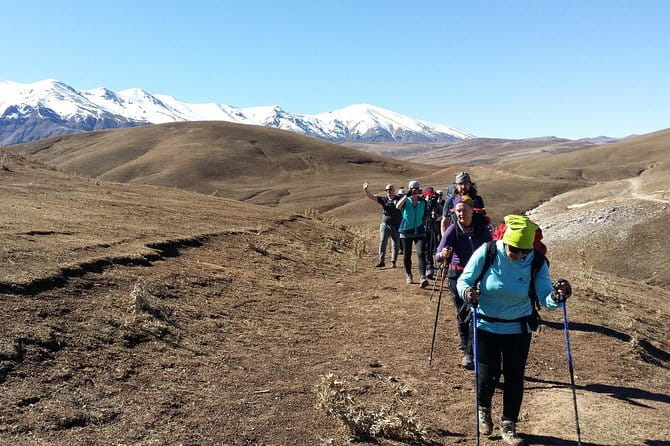
This trek includes an English-speaking mountain guide, who is also described as a group leader and representative for the program. It also notes the guide can change the route due to safety issues or bad weather.
That might sound like a warning, but it’s actually a good sign. Mountains are not factory lines. Weather, trail conditions, and visibility can change fast. With a guide who can adjust, you’re more likely to get a trip that works, even when conditions don’t.
One additional practical detail: the guide may act as cook for smaller groups (the program notes groups smaller than 5). That matters because it keeps camp food more consistent, and it reduces the number of moving pieces you need to manage.
Camping and meals: what “included” means on the ground
You’ll sleep in a two-person tent with camping equipment provided: sleeping bags and mattresses. This is a huge deal for value and comfort. A lot of “budget” treks say camping is included, then quietly force you to rent or buy key gear on top of the tour cost. Here, the core camping setup is built into the price.
You also get three freshly prepared meals per day across the trek: the tour includes 2 breakfasts, 3 lunches, and 2 dinners (with dinner and breakfast counts listed, plus lunch totals). You also get bottled water, and the tour includes gas stove, gas, and tableware.
What I like about this is simple: it lets you focus on the hiking instead of planning where meals come from. When you’re walking all day, hunger makes every decision harder. With food handled, the trek feels smoother.
Also, a first aid kit is included. That won’t make anything “safe” in a magical way, but it’s one of those details that makes the tour feel properly run.
Luggage, donkeys, and how to pack for a 3-day mountain trip
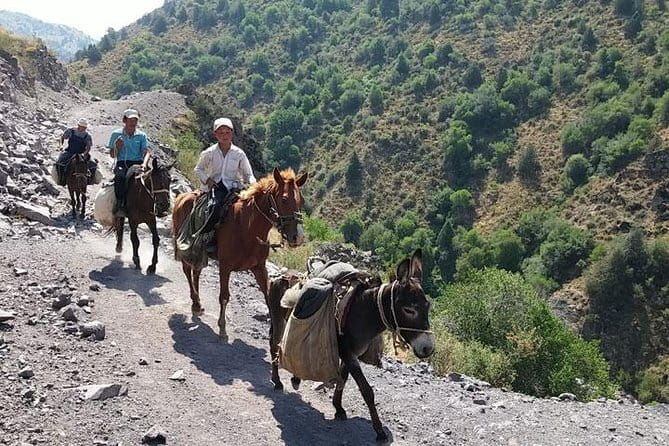
One of the most practical strengths here is the horses/donkeys with handlers for luggage transportation. Your food and camp gear are moved by animals, which keeps your personal load manageable.
The program states a maximum allowed luggage weight of 13kg per person. That means you should pack for real mountain conditions, not city convenience. Bring what you can carry comfortably, and remember you’ll also want warm layers for cooler mountain air.
Recommended items listed include:
- backpack
- trekking shoes
- warm clothing for spring and autumn season
- head-dress (cap or similar)
- sunglasses and sunblock
- flashlight
- personal essentials
For packing strategy, keep it simple: dress in layers, and pack the warmest items you have access to. Even in pleasant daytime weather, evenings can cool off when you’re sleeping at altitude in a tent.
What views and wildlife actually add to the walk
The trek runs in the Tian Shan area and specifically mentions Ugam Chatkal National Park with diverse flora and fauna. The important part is how it affects you. You’re not just moving between two points. You’re walking through a living zone, where seasonal plants and mountain wildlife can show up if you pay attention.
You’ll also get panoramic mountain vistas, especially on the higher parts of the route. Day 2’s high elevation and petroglyph stop are a strong double win here: you get height and you get meaning.
And yes, the views are why people do this. But the real value is that the views come with a guided structure, so you can enjoy them without guessing where to look or how long everything will take.
The price, and whether $370 feels fair for what you get
At $370 per person for roughly 3 days, the value comes down to what is truly included and what it replaces.
You’re getting:
- guided trekking with an English-speaking mountain guide
- camping gear (tents, sleeping bags, mattresses)
- meals across the days (breakfast, lunch, dinner totals included)
- transport between Tashkent and the trek start, plus the return
- luggage transfer by horses or donkeys
- gas stove setup and tableware
- first aid kit and bottled water
- police registration for the duration of trekking
- and admission tickets are listed as included on the daily stops
Then there are the soft benefits: group discounts are mentioned, and the tour is also listed as private activity only your group participates. The listing also says booked on average 72 days in advance, which usually means it’s not a fly-by-the-seat-of-your-pants type of trek if you want your dates.
If you tried to recreate this yourself, you’d likely spend time piecing together guide services, camping gear, transport, and food. The tour price is essentially paying for coordination. For many people, that’s a good trade.
Who this trek is best for, and who should think twice
This tour is described as mid-altitude and “suitable for moderate fitness levels.” That fits hikers who can handle several hours of walking per day, some uphill and downhill, and a slower pace for higher passes.
You’ll be a great match if:
- you like hiking in mountains but don’t want technical climbs
- you want a guided route with safety and camp support
- you enjoy history stops like petroglyph sites
- you’re happy to sleep in tents for a few nights
You should think twice if:
- you want flat hiking only
- you struggle with endurance walking
- you dislike planning around altitude and cool mountain evenings
- your packing needs exceed the 13kg limit
A few real-life details you’ll feel immediately
The trek has the right kinds of support for first-time mountain walkers. People often worry about the “unknowns” on multi-day trips. Here, the structure is clear: guide leads, luggage has animal support, and meals are built in.
I also liked the emphasis on helpful camp support in the experience feedback you can infer from the way the donkey handlers and guide are praised. The main point for you: when luggage transport is handled, you spend less time managing weight and more time enjoying the trail.
Also, the program notes the guide may adjust the route due to known safety issues and bad weather conditions. That can mean fewer “fixed” expectations and more flexible outcomes, which is exactly what mountains require.
Should you book the 3-day Chimgan trekking tour?
If you want a guided mountain experience that’s organized from the pickup in Tashkent to the drop-off at the end, this is a strong option. The mix of mid-altitude passes, Stone Age-era petroglyphs, and included tent camping plus meals is a clear value story.
Book it if you’re:
- ready for moderate uphill effort on Day 2
- happy to pack to the 13kg limit and walk with less personal weight
- interested in Ugam Chatkal National Park scenery and that petroglyph history stop
Skip it if you only want easy walks or you’re expecting a strictly low-altitude experience with minimal effort. This is a trek, not a stroll. But it’s also designed to be achievable, with real support and thoughtful logistics that let you focus on the mountains.
FAQ
What time does the trek start, and where is the meeting point?
The start time is 9:00 am. The meeting point is Taraqqiyot ko’chasi 45, Toshkent, Uzbekistan. The activity ends back at the meeting point.
How long is the Chimgan trekking tour?
It runs for 3 days, approximately.
Are meals included during the trek?
Yes. The tour includes 2 breakfasts, 3 lunches, and 2 dinners. A bottled water option is also included.
What trekking gear and camping equipment are included?
Camping equipment is included, including two-person tents, sleeping bags, and mattresses. The tour also includes a gas stove, gas, and tableware.
Is there help transporting luggage, and what is the weight limit?
Yes. Horses or donkeys with handlers transport luggage. The maximum allowed luggage weight is 13kg per person.
Can I cancel and get a full refund?
Yes, free cancellation is offered. You can cancel up to 24 hours in advance of the experience for a full refund. If you cancel less than 24 hours before the start time, the amount paid is not refunded.
More Tours Around Uzbekistan
The Full Uzbekistan Review Pile
More Chimgan And Charvak Days
More of Uzbekistan we have reviewed
- Uzbekistan 6 days / 5 nights tour★ 5.0 · 3 reviews
- Tashkent Mountain Tour Amirsoy with Transport★ 3.5 · 3 reviews
- Private Tashkent City Tour★ 5.0 · 3 reviews
- Transfer Tashkent Airport / Railway Station – Hotel★ 3.5 · 3 reviews
- Tashkent: 3-Day Horseback Riding Tour in Chimgan Mountains★ 4.4 · 3 reviews
- Samarkand: Uloq-Kopkari (Buzkashi) Game Day Tour★ 5.0 · 3 reviews
Chimgan, Charvak & Tashkent Mountain Trips, compared.
 ★ 4.8Best of Tashkent Mountains: Amirsoy, Chimgan & Charvak TripFrom $48567 reviews
 ★ 4.8Tashkent : Premium Amirsoy, Chimgan Mountains & Charvak LakeFrom $40190 reviews
 ★ 4.9Amirsoy, Chimgan & Charvak Full-Day AdventureFrom $3982 reviews
 ★ 4.8Full- Day Tour Tashkent: Amirsoy, Chimgan and Charvak lakeFrom $3977 reviews
 ★ 4.5Tashkent Mountain TourFrom $6549 reviews
 ★ 4.4Jade Lake Tour from TashkentFrom $26027 reviews
 ★ 4.9From Tashkent: Chimgan Valley Hiking Day TripFrom $10024 reviews
 ★ 5.0Private tour: Amirsoy, Chimgan mountains & CharvakFrom $7021 reviews
Browse the lists this tour appears in